Comprehensive Examination of the System Quality Number
Which Essential Features Guarantee the Effectiveness of a System Quality Number?

An effective system quality number is a crucial metric for evaluating the efficiency and reliability of technical systems. This number synthesises a variety of performance indicators, providing vital insights that support continuous improvement and consistent results across different industries. By analysing a multitude of data points, organisations can gain a more detailed understanding of their systems' performance and identify specific areas that need enhancement. This thorough approach is particularly advantageous in today's rapid and constantly shifting technological landscape, where precise metrics can offer significant competitive benefits.
The significance of a clearly defined system quality number is paramount. It serves as a standard for operational success, enabling organisations to make informed, data-driven decisions instead of relying on unfounded assumptions. This reliance on concrete data promotes optimal resource distribution and strategic planning, allowing stakeholders to identify crucial areas requiring attention. A robust system quality number not only fosters accountability but also motivates teams to achieve higher standards of performance, thereby enhancing the organisational culture.
Ultimately, the system quality number acts as a guiding instrument for organisations navigating complex operational environments. It provides decision-makers with the necessary insights to implement changes that greatly enhance both reliability and efficiency. In an industrial context characterised by swift changes, comprehending <a href="https://electroquench.com/nulids-dry-eye-system-revolutionising-eye-and-lash-care/">system quality</a> is vital for sustaining a competitive edge and ensuring long-term viability.
What Are the Key Components that Constitute a System Quality Number?
The dependability of the system quality number hinges on several foundational components that bolster its effectiveness as a measurement standard. Essential elements include accuracy thresholds, consistency checks, and validation protocols. These components work in unison to establish a solid framework for ongoing monitoring and enhancement within complex operational settings, ensuring that the system evolves in response to changing demands.
Accuracy thresholds are crucial for defining the acceptable range of performance metrics. They allow organisations to set clear benchmarks that facilitate the assessment of system performance. Equally important are consistency checks, which ensure that collected data over time remains reliable and comparable, enabling meaningful trend analysis. Validation protocols ensure that the data used in calculating the system quality number adheres to established standards, thus enhancing its credibility and trustworthiness.
Together, these foundational components offer a comprehensive methodology for assessing system performance. Organisations benefit from a structured approach that not only reveals current performance levels but also uncovers opportunities for enhancement. This proactive stance is essential in today’s fast-paced, technology-driven environment, where adaptability and precision are crucial for success.
What Benefits Does a System Quality Number Provide?
- Increased visibility into operational performance gaps.
- Facilitated targeted changes that improve reliability.
- Minimised inefficiencies through continuous evaluation.
- Data-driven decision-making supported by actionable insights.
Implementing the system quality number offers organisations significant advantages that can enhance their operational capabilities. One primary benefit is a deeper comprehension of performance gaps, enabling teams to concentrate on critical issues. This focused approach results in more effective resource allocation and strategic planning, ensuring that the most pressing concerns receive the required attention and resources.
Another major advantage is the capacity to implement specific adjustments that enhance reliability. By continuously evaluating system performance, organisations can make changes that directly address weaknesses identified through the system quality number. This iterative process not only improves overall system quality but also cultivates a culture of continuous improvement, motivating team members to strive for excellence.
The system quality number also plays a pivotal role in reducing inefficiencies over time. Regular performance assessments allow organisations to identify trends and patterns that inform best practices. This proactive strategy ultimately leads to superior operational outcomes and greater resilience against future challenges, ensuring that organisations remain agile and competitive.
What Are the Steps Involved in Calculating the System Quality Number?
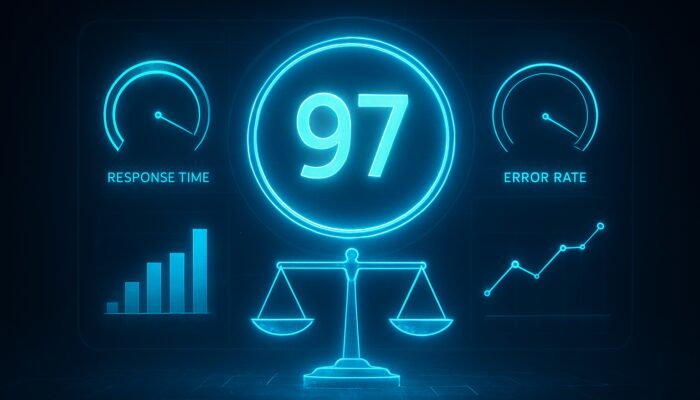
Calculating the system quality number involves aggregating data from various performance metrics and applying weighted formulas. This structured approach ensures that the resulting value accurately reflects the system's health, operational standards, and reliability factors. Integrating multiple data sources is vital for obtaining a holistic view of performance across the organisation.
To begin this process, organisations must identify the key performance metrics that will contribute to the calculation. These metrics can encompass diverse factors, including response times, error rates, and throughput levels. Once the relevant metrics are established, systematic and consistent data collection must be implemented to ensure reliability. The application of weighted formulas allows organisations to prioritise specific metrics based on their importance within a given operational context, ensuring that the most critical factors are adequately represented in the final calculation.
The resulting calculation of the system quality number provides a snapshot of system performance, empowering organisations to make informed decisions. By consistently updating this calculation, teams can monitor improvements over time and adjust their strategies accordingly. This dynamic approach ensures that the system quality number remains relevant and accurately reflects the current operational landscape.
What Challenges May Occur When Implementing a System Quality Number?
Introducing a system quality number can present various challenges that organisations must navigate. A primary concern is data integration, particularly when managing disparate systems employing different standards and formats. This inconsistency can undermine the accuracy of the system quality number, complicating the overall evaluation process.
Another challenge involves the ongoing necessity for updates to maintain the relevance and precision of the system quality number. As technological advancements and operational demands evolve, the metrics utilised in the calculation must likewise adapt. Organisations need to be proactive in refining their measurement protocols to ensure they accurately reflect current conditions and requirements.
Diverse industry standards can present additional hurdles. Different sectors may have unique requirements and benchmarks for system performance, complicating the establishment of a universally applicable system quality number. Organisations must be diligent in understanding these nuances to effectively implement and utilise this critical metric, ensuring that it meets its intended purpose.
How Does the System Quality Number Influence Operational Performance?
Effortless Integration With Existing Evaluation Frameworks

The system quality number integrates seamlessly with established evaluation frameworks, enhancing overall performance assessments. By aligning this metric with existing processes, it highlights areas that require attention and shapes strategies for resource allocation. This seamless integration is essential for organisations striving to optimise operations while maintaining consistency in their measurement strategies.
When organisations incorporate the system quality number into their evaluation frameworks, they benefit from a structured methodology that encourages continuous monitoring. This alignment empowers teams to identify performance trends and make data-driven decisions that enhance overall system reliability. Organisations can allocate resources more effectively, concentrating efforts on areas that yield the highest returns on investment.
The system quality number fosters a culture of accountability among teams. By providing a transparent metric for performance evaluation, it encourages individuals to take ownership of their contributions to system quality. This sense of collective responsibility nurtures collaboration and motivates teams to work towards common objectives, ultimately leading to improved operational outcomes.
What Is the Impact of Measurement Accuracy on Results?
Measurement accuracy is crucial when determining the system quality number, as it directly influences the reliability of the conclusions drawn. Accurate measurements ensure that actions based on the system quality number lead to meaningful and sustainable improvements. Without accuracy, organisations risk making decisions based on flawed data, resulting in ineffective strategies and wasted resources.
Precise measurements establish a strong foundation for assessing system performance. They enable organisations to identify genuine issues and opportunities for enhancement instead of reacting to misleading trends. This clarity is vital for formulating targeted interventions that improve operational efficiency and effectiveness.
The ramifications of measurement accuracy extend beyond immediate performance evaluations. Consistent accuracy builds trust in the system quality number among stakeholders, fostering a data-driven culture within the organisation. As teams gain confidence in their metrics, they are more likely to engage in continuous improvement initiatives, ultimately driving long-term success.
Recognising the Limitations and Constraints of the System Quality Number
Despite its many advantages, the system quality number has certain limitations and constraints. Specific operational boundaries may restrict the full utilisation of this metric unless addressed through careful calibration and additional assessment techniques. Understanding these limitations is crucial for organisations aiming to leverage the system quality number effectively.
One significant constraint is the variability in data inputs, which can skew results and lead to inaccurate assessments. Organisations must implement stringent data collection protocols to ensure consistency and reliability in their measurements. If this rigour is absent, the system quality number may fail to accurately reflect the true performance of the system, undermining its utility.
There is a risk of oversimplification. Although the system quality number provides valuable insights, it may not capture the full complexity of certain operational environments. Organisations should complement this metric with qualitative assessments and contextual analysis to achieve a more comprehensive understanding of their systems’ performance.
Insights from Experts on the System Quality Number
Professional Assessment of Calibration Techniques
Calibration techniques are instrumental in refining measurement protocols associated with the system quality number. Experts advocate several actionable steps to maximise precision and consistency in evaluations across various scenarios. First, establishing clear calibration standards is essential for maintaining uniformity in data collection and analysis.
Regular calibration sessions can help ensure that measurement tools remain accurate and reliable. During these sessions, organisations should compare their measurements against established benchmarks to identify discrepancies. This process allows teams to make necessary adjustments, thereby upholding the integrity of their data and ensuring credible assessments.
Utilising advanced analytical tools can greatly enhance calibration efforts. By employing sophisticated software solutions, organisations can automate aspects of the calibration process, reducing the potential for human error. This integration of technology streamlines operations and contributes to more accurate and consistent evaluations of the system quality number.
Real-World Success Stories Highlighting Applications of the System Quality Number
Many organisations have successfully leveraged the system quality number to achieve measurable improvements in efficiency and long-term stability. For example, a prominent automotive manufacturer utilised the system quality number to assess its production processes. By identifying performance gaps, the company significantly reduced waste and increased overall productivity, showcasing the transformative potential of this metric.
In another instance, a healthcare provider implemented the system quality number to monitor patient care metrics. This strategy enabled the organisation to identify areas for enhancement, resulting in better patient outcomes and increased satisfaction rates. The insights gained from the system quality number empowered the healthcare provider to implement targeted interventions that considerably improved operational effectiveness and care quality.
These real-world examples demonstrate the transformative impact of the system quality number across various sectors. By adopting this metric, organisations can drive continuous improvement initiatives that yield substantial benefits, including cost savings, enhanced efficiency, and greater customer satisfaction.
Employing Advanced Analytical Methods for Deeper Insights
Advanced analytical methods provide organisations with richer insights into system quality number data, aiding strategic planning and proactive issue resolution. By leveraging sophisticated analytical techniques, organisations can uncover hidden patterns and trends that inform decision-making processes. These insights are essential for optimising operational performance and enhancing overall system resilience.
One effective strategy is predictive analytics, which uses historical data to forecast future performance. By analysing trends and identifying potential issues before they arise, organisations can implement proactive measures that mitigate risks and enhance system stability. This forward-thinking approach is particularly advantageous in dynamic environments where rapid changes can impact operational effectiveness.
Another advanced method involves utilising machine learning algorithms to analyse complex datasets. These algorithms can identify correlations and anomalies that may not be visible through traditional analysis. By harnessing the capabilities of machine learning, organisations can deepen their understanding of system quality numbers, leading to more informed decision-making and improved performance outcomes.
What External Factors Influence the System Quality Number?
Environmental Variables Affecting Performance Evaluations
Environmental variables significantly influence the outcomes derived from system quality number calculations. Factors such as temperature, humidity, and overall operational conditions can affect performance metrics, making it essential to consider these variables during analysis. Understanding the impact of environmental factors is critical for achieving accurate and meaningful assessments of system performance.
For instance, in manufacturing settings, temperature variations can affect machinery performance, leading to discrepancies in output quality. By incorporating environmental data into the calculation of the system quality number, organisations can gain a more comprehensive understanding of their operations. This awareness facilitates targeted adjustments that enhance overall system performance and reliability.
External factors such as market demand and supply chain disruptions can also impact system performance. Organisations must remain vigilant in monitoring these variables to ensure that their system quality number accurately reflects current conditions. By considering environmental factors, organisations can make informed decisions that promote operational excellence and sustainability.
What Are the Principal Benefits of the System Quality Number?
- Enhanced visibility into performance trends.
- Timely interventions that support sustained operational excellence.
- Improved understanding of system vulnerabilities.
- Informed decision-making backed by comprehensive data.
Stakeholders derive numerous advantages from the system quality number, particularly in terms of increased visibility into performance trends. This metric provides a clear view of how systems are performing over time, enabling organisations to pinpoint areas for improvement and take proactive measures to address them.
Timely interventions are facilitated by the insights gained from the system quality number, promoting sustained operational excellence. By addressing performance gaps as they emerge, organisations can maintain high standards and ensure long-term success. This proactive approach is essential in today’s fast-paced business environment, where rapid changes can significantly affect operational effectiveness and efficiency.
The system quality number enhances understanding of system vulnerabilities. By analysing trends and patterns, organisations can identify potential weaknesses and devise strategies to mitigate risks. This comprehensive approach to performance assessment ultimately leads to more informed decision-making and better overall outcomes for the organisation.
Establishing Robust Data Collection Standards
Standardised procedures for data collection are vital to ensuring that the inputs feeding into the system quality number remain consistent and reliable. Consistency in data collection supports trustworthy and repeatable outcomes, allowing organisations to base decisions on dependable metrics. Establishing clear data collection standards is a crucial step in enhancing the effectiveness of the system quality number.
Organisations should develop comprehensive guidelines that specify which metrics to collect, methods for data gathering, and the frequency of assessments. By adhering to these standards, teams can ensure that their data remains uniform and comparable over time. This consistency is essential for identifying trends and accurately evaluating system performance.
Regular audits of data collection processes can help pinpoint areas for improvement. Organisations should periodically review their procedures to ensure they align with best practices and industry standards. By maintaining high data collection standards, organisations can enhance the reliability of their system quality number and facilitate better decision-making based on solid evidence.
How Do Hardware Configurations Affect System Quality?
The specific hardware configurations within a system can significantly influence the calculation of quality numbers. Variations in components can lead to differing performance baselines, necessitating careful normalisation for accurate comparisons. Understanding the effects of hardware configurations is essential for organisations striving to achieve reliable system quality numbers.
For example, differences in processing power, memory, and storage capabilities can affect how data is collected and analysed. Organisations must consider these variations when interpreting their system quality numbers, as they can greatly influence performance outcomes. By standardising hardware configurations wherever feasible, organisations can improve the consistency of their measurements and enhance the accuracy of their assessments.
Regular evaluations of hardware performance can help detect potential issues before they impact system quality. Organisations should implement monitoring tools that track hardware performance metrics, enabling proactive maintenance and timely adjustments. This approach not only enhances the reliability of system quality numbers but also improves overall operational resilience against unforeseen challenges.
How Do Variations in Software Algorithms Affect Results?
Differences in the algorithms used for processing data inputs directly impact the resulting system quality numbers. Variability in software algorithms can lead to discrepancies in performance assessments, underscoring the necessity for thorough validation and standardisation to ensure consistency across various analytical platforms. Understanding the effects of software algorithm variations is essential for organisations aiming to leverage system quality numbers effectively.
To mitigate the impacts of algorithm variations, organisations should establish clear guidelines for software selection and implementation. This includes choosing algorithms that align with industry standards and best practices. By standardising the algorithms used for data processing, organisations can strengthen the reliability of their system quality numbers and ensure meaningful comparisons across different systems and contexts.
Regular reviews of algorithm performance can help identify potential issues and areas for improvement. Organisations should monitor the effectiveness of their chosen algorithms, making adjustments as needed to maintain accuracy and consistency. This proactive approach ensures that the system quality number remains a valuable tool for performance assessment and informed decision-making.
Research-Driven Advantages of the System Quality Number
How Does Data Validation Enhance Reliability?
Robust data validation processes significantly enhance the credibility of system quality number outputs. By ensuring that the data used for calculations adheres to established standards, organisations can support informed decision-making based on verified evidence. This focus on data integrity is fundamental for achieving reliable performance assessments that propel organisational success.
Data validation involves several key steps, including verifying the accuracy of data inputs, assessing completeness, and checking for consistency. By implementing these validation processes, organisations can identify and rectify potential issues before they negatively impact the system quality number. This proactive mindset enhances the overall reliability of performance metrics and nurtures a culture of accountability among teams.
When teams recognise the importance of accurate data collection and validation, they are more likely to prioritise these processes in their daily operations. organisations can achieve more reliable system quality numbers that lead to improved decision-making and enhanced performance outcomes across all levels of the organisation.
Practical Steps for Successful Implementation
Integrating the system quality number into standard workflows requires meticulous planning and execution. Organisations should begin by defining clear objectives for how the system quality number will be used in decision-making processes. This clarity ensures that teams understand the value of this metric and its role in enhancing operational performance.
Next, organisations should develop comprehensive training programmes to educate staff about the significance of the system quality number and the methodologies for calculating it. By equipping teams with essential knowledge and skills, organisations can cultivate a culture of data-driven decision-making that empowers individuals to leverage the system quality number effectively.
Organisations should engage in regular reviews and refinements of their implementation strategies. This includes assessing how well the system quality number drives performance improvements and making necessary adjustments to enhance its effectiveness. By maintaining a mindset of continuous improvement, organisations can optimise their use of the system quality number and achieve sustained operational excellence.
Creating Long-Term Value Through System Quality Metrics
Consistent application of the system quality number leads to progressive enhancements that yield compounding advantages over time. Organisations that continually utilise this metric can expect incremental improvements in operational efficiency, reliability, and overall performance. This long-term value creation is essential for maintaining a competitive edge in today’s dynamic business environment.
By regularly evaluating system performance through the lens of the system quality number, organisations can identify trends and patterns that inform strategic decision-making. This proactive approach allows teams to implement targeted interventions that address performance gaps, ultimately resulting in enhanced operational outcomes and greater overall effectiveness.
The long-term utilisation of the system quality number fosters a culture of continuous improvement. As organisations embrace data-driven decision-making, they encourage teams to take ownership of their contributions to system quality. This collective commitment to excellence drives sustained performance enhancements and positions organisations for ongoing success in their respective fields.
Cost Reduction and Resource Optimisation
Research indicates that adopting the system quality number can result in significant reductions in operational costs. By optimising resource allocation and eliminating inefficiencies, organisations can achieve substantial financial benefits over time. This cost reduction is particularly valuable in today’s competitive landscape, where maximising resources is crucial for survival and long-term growth.
A key aspect of cost reduction involves identifying areas of waste and inefficiency through the system quality number. By analysing performance metrics, organisations can pinpoint specific processes that require improvement. This focused approach enables teams to implement changes that enhance efficiency and reduce operational costs, ultimately contributing to improved financial performance.
The system quality number empowers organisations to optimise resource allocation by providing insights into performance trends. Teams can make informed decisions about where to direct resources for maximum impact, ensuring that efforts are concentrated on initiatives yielding the highest returns. This strategic approach to resource management contributes to improved organisational sustainability and financial health.
Strategies for Effective Risk Mitigation
In-depth analyses reveal that the system quality number plays a vital role in identifying and minimising potential risks associated with system failures or performance issues. By leveraging this metric, organisations can enhance overall resilience and ensure sustainable long-term operational stability. Effective risk mitigation strategies are essential for navigating the complexities of modern business environments.
One effective strategy involves using the system quality number to monitor performance trends and identify early warning signs of potential issues. By analysing data over time, organisations can detect deviations from established performance benchmarks. This proactive monitoring allows teams to implement corrective actions before problems escalate, minimising operational disruptions and maintaining productivity.
Organisations can develop contingency plans based on insights gained from the system quality number. By understanding the factors contributing to performance variability, teams can prepare for potential disruptions and establish protocols for addressing them effectively. This preparedness enhances organisational resilience and ensures that teams can respond effectively to unforeseen challenges, maintaining operational continuity.
What Strategies Can Improve the System Quality Number?
Effective Techniques for Achieving Higher Scores
Targeted adjustments to underlying processes can lead to elevated system quality number values and improved overall system resilience. Organisations aiming to enhance their system quality number should begin by conducting thorough assessments of current performance metrics. This evaluation enables teams to identify specific areas requiring improvement and prioritise their efforts accordingly.
An effective optimisation strategy includes streamlining workflows to eliminate bottlenecks and inefficiencies. By analysing operational processes, organisations can pinpoint tasks that hinder performance and implement changes to enhance efficiency. This proactive approach not only improves the system quality number but also fosters a culture of continuous improvement among teams.
Investing in training and development programmes equips staff with the necessary skills to optimise performance. By empowering teams with knowledge and resources, organisations can enhance their overall operational capabilities. This commitment to employee development ultimately contributes to higher system quality numbers and improved performance outcomes across the board.
Monitoring and Adjustment Protocols for Sustaining Performance
Regular reviews combined with responsive modifications help maintain elevated performance levels indicated by system quality number metrics. Organisations must establish monitoring protocols that ensure ongoing evaluation of performance metrics. This continuous assessment allows teams to identify trends and make necessary adjustments in real-time, ensuring that performance remains at optimal levels.
One effective approach is to implement a feedback loop that encourages teams to share insights and observations regarding system performance. By fostering open communication, organisations can create a collaborative culture that drives continuous improvement. Teams can collectively identify areas for enhancement and implement changes that positively impact the system quality number.
Organisations should leverage technology to streamline monitoring and adjustment processes. Automated tools provide real-time insights into performance metrics, enabling teams to quickly respond to emerging issues. This proactive approach to monitoring ensures that organisations remain agile and can adapt effectively to changing operational demands.
Significant Advantages of Focusing on the System Quality Number
- Practical guidance for prioritising necessary changes.
- Accelerated advancements in measurement quality.
- Increased accountability among team members.
- Enhanced collaboration and communication across departments.
Focusing on the system quality number provides numerous key advantages, particularly in offering practical guidance for prioritising essential changes. This metric presents a clear framework for identifying areas that require immediate attention, enabling organisations to direct their efforts effectively where they can have the most substantial impact.
Accelerated advancements in measurement quality are another significant advantage of prioritising the system quality number. By continuously monitoring performance metrics, organisations can implement changes that lead to noticeable improvements in operational efficiency. This iterative process fosters a culture of excellence and accountability among team members, enhancing overall organisational performance.
The system quality number enhances collaboration and communication within organisations. As teams work together to improve performance metrics, they develop a shared understanding of their goals and objectives. This collective commitment to achieving higher system quality numbers ultimately drives better overall outcomes and positions organisations for long-term success.
Common Challenges in Assessing the System Quality Number
How Do Inconsistent Inputs Distort Outcomes?
Variability in source data can skew system quality number readings, necessitating stringent controls to maintain analytical integrity and usefulness. Inconsistent inputs can lead to misleading conclusions, making it essential for organisations to implement rigorous data collection protocols. Without these controls, the reliability of the system quality number may be jeopardised.
To combat this challenge, organisations should establish clear guidelines for data collection that specify metrics, methods, and standards. By standardising the data collection process, teams can ensure that inputs remain consistent and comparable over time. This uniformity is crucial for achieving accurate assessments of system performance and ensuring that the system quality number reflects true operational conditions.
Organisations should routinely audit their data collection processes to identify potential issues. By conducting periodic reviews, teams can pinpoint areas for improvement and implement necessary adjustments to enhance data integrity. This proactive approach ensures that the system quality number remains a valuable tool for performance assessment and data-driven decision-making.
Troubleshooting Common Measurement Errors
Identifying and correcting frequent issues is essential to ensure that the system quality number continues to function as an accurate and reliable tool. Organisations must vigilantly monitor for common errors that can impact the reliability of their measurements. By promptly addressing these issues, teams can uphold the integrity of the system quality number and ensure it remains a trustworthy metric.
One common error arises from discrepancies in data inputs, which can result from human error or technical malfunctions. Organisations should implement checks and balances to identify and rectify these discrepancies before they affect the system quality number. Regular training and development programmes for staff can also help minimise the occurrence of errors and ensure that teams are equipped to maintain high standards.
Organisations can leverage technology to streamline the troubleshooting process. Automated tools provide real-time insights into performance metrics, enabling teams to quickly identify and resolve issues as they arise. This proactive approach to troubleshooting ensures that the system quality number remains a reliable and effective metric for performance assessment and decision-making.
Future Trends and Developments in System Quality Number Assessments
Emerging techniques promise to enhance the capabilities and precision associated with system quality number assessments. As technology continues to evolve, organisations can anticipate advancements that improve the accuracy and reliability of their performance metrics. Staying informed about these developments is crucial for organisations looking to leverage the system quality number effectively.
One notable trend is the increasing use of artificial intelligence and <a href="https://limitsofstrategy.com/machine-learning-for-effective-ad-targeting-in-hosting/">machine learning</a> to analyse complex datasets. These technologies can identify patterns and correlations that may not be apparent through traditional analysis, providing organisations with deeper insights into their system quality numbers. By harnessing the power of AI, organisations can significantly enhance their decision-making processes and drive continuous improvement throughout their operations.
Another emerging trend involves integrating real-time data analytics into performance assessments. By leveraging real-time data, organisations can gain immediate insights into system performance, allowing for rapid adjustments and interventions. This dynamic approach to performance evaluation enhances organisational agility and ensures that teams can effectively respond to changing operational demands, maintaining optimal performance levels.
Addressing Scalability Limitations in System Quality Number Assessments
When system quality number assessments are applied to large-scale environments, performance bottlenecks and resource constraints can emerge. These challenges necessitate optimised algorithms and efficient computational strategies to effectively manage increased data volumes without sacrificing accuracy. Organisations must be proactive in addressing these scalability limitations to ensure the continued effectiveness of their system quality number assessments.
One effective strategy is to implement distributed computing solutions that can process large datasets more efficiently. By leveraging cloud-based technologies, organisations can enhance their data processing capabilities to meet the demands of large-scale environments. This approach not only boosts performance but also ensures that the system quality number remains a dependable metric for performance assessment.
Organisations should regularly review and refine their algorithms to optimise performance. By conducting thorough assessments of their data processing methods, teams can identify areas for improvement and implement changes that enhance the efficiency of their system quality number calculations. This proactive approach ensures that organisations can effectively navigate the challenges associated with large-scale data environments, maintaining the integrity and reliability of their assessments.
Frequently Asked Questions About the System Quality Number
What Is a System Quality Number?
A system quality number is a metric that assesses the overall operational efficiency and structural integrity of a technical framework by integrating multiple performance variables, thereby providing a comprehensive evaluation.
How Is the System Quality Number Calculated?
The system quality number is determined by aggregating data from various performance metrics and applying weighted formulas to ensure an accurate representation of system health and operational standards.
What Are the Core Components of a System Quality Number?
Core components consist of accuracy thresholds, consistency checks, and validation protocols that create a robust measurement standard for ongoing monitoring and assessments.
Why Is Measurement Accuracy So Important?
Measurement accuracy is critical as it directly affects the reliability of conclusions drawn from the system quality number, ensuring meaningful and sustainable advancements in performance and operational effectiveness.
What Challenges Are Associated With Implementing a System Quality Number?
Challenges include data integration issues, varying industry standards, and the necessity for continuous updates to maintain relevance and precision across evolving operational landscapes.
How Can Organisations Enhance Their System Quality Number?
Organisations can enhance their system quality number by optimising processes, implementing rigorous monitoring protocols, and prioritising data accuracy and consistency in their evaluations.
What Role Does Data Validation Play in This Process?
Data validation bolsters the credibility of system quality number outputs, facilitating informed decision-making based on verified evidence and enhancing the integrity of performance assessments.
How Can the System Quality Number Lead to Cost Reductions?
The system quality number enables operational cost reductions by optimising resource allocation and eliminating inefficiencies, resulting in substantial financial benefits for organisations.
What External Factors Influence the System Quality Number?
Factors include environmental variables, hardware configurations, software algorithm variations, and data collection standards that collectively affect performance assessments and outcomes.
What Are the Key Advantages of Utilising a System Quality Number?
Advantages include enhanced visibility into performance trends, timely interventions, improved understanding of system vulnerabilities, and informed decision-making based on comprehensive and reliable data.
Explore new stories on our Facebook page today!
The article System Quality Number: Key Metrics and Insights for Analysis was found on https://limitsofstrategy.com
The Article System Quality Number: Insights and Key Metrics for Analysis first appeared on https://electroquench.com