Understanding Mobility Needs for Elderly Dogs
What Key Factors Indicate the Need for Mobility Support in Elderly Dogs?
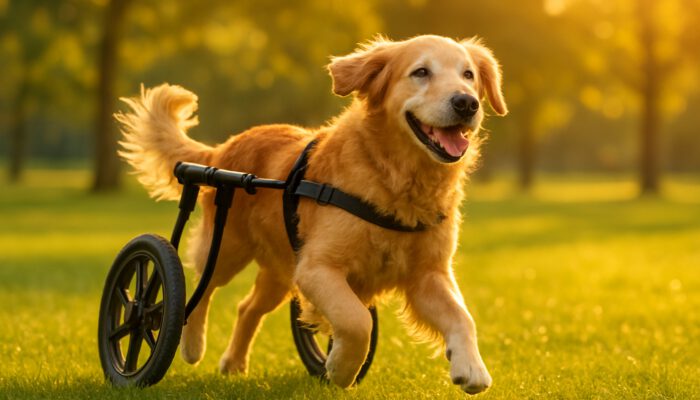
As dogs age, they often face a range of physical challenges, including joint pain, diminished muscle strength, and an overall decline in physical prowess. These challenges can significantly reduce their independence and enjoyment of daily life. Mobility aids become vital for these dogs, allowing them to sustain their activity levels and remain engaged and happy throughout their twilight years.
Providing appropriate support not only improves their physical health but also enhances their emotional well-being. As their needs change with age, addressing these shifts with suitable mobility aids can greatly improve their quality of life, enabling them to relish their senior years without feeling restricted or uncomfortable.
How Can You Effectively Monitor Changes in Your Dog’s Mobility?
Pet owners must be vigilant and observe any alterations in their dog’s movement patterns, as these changes may indicate early signs of declining mobility. Signs such as an unsteady gait, reluctance to leap or navigate stairs, or difficulty rising from a resting position may imply that intervention is required.
By recognising these changes promptly, pet owners can take swift action, which may include consulting a veterinarian or exploring various mobility aids. Being attentive to daily behaviours ensures that any decline in mobility is addressed quickly, allowing dogs to maintain their independence and joy in life.
In What Ways Do Mobility Aids Enhance Muscle Health in Senior Dogs?
The regular use of mobility aids can significantly strengthen the remaining muscle strength in senior dogs. These devices provide crucial support, enabling dogs to engage in light exercise, which is essential for preserving muscle mass and ensuring optimal joint function.
Incorporating mobility aids into their daily routines allows caregivers to slow the progression of age-related physical limitations. This proactive strategy not only enhances the physical health of dogs but also encourages them to stay active and engaged, thereby uplifting their spirits and overall happiness.
What Environmental Hazards Should Be Assessed for Senior Dogs?
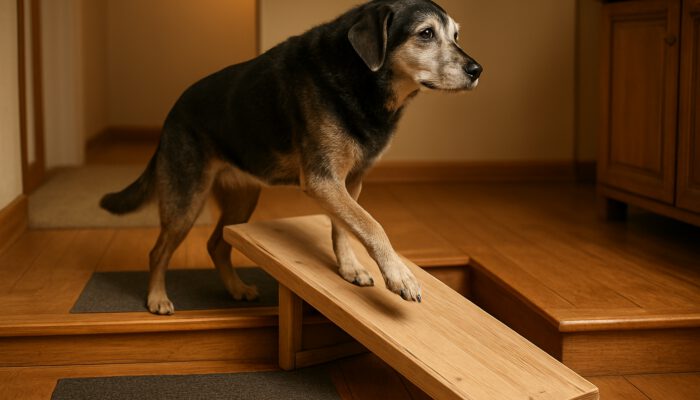
Evaluating the home environment is essential for identifying potential hazards that could impede an ageing dog’s mobility. Common dangers include slippery surfaces, steep staircases, and narrow doorways, all of which can pose significant risks for dogs with reduced strength and stability.
Implementing necessary modifications, such as adding non-slip mats, installing ramps, or widening doorways, can greatly enhance safety and independence for senior dogs. Crafting an environment tailored to their specific needs boosts confidence and encourages dogs to move freely, thereby decreasing the likelihood of injuries and accidents.
Why Is Timely Consultation with Veterinary Professionals Crucial?
Seeking timely guidance from veterinary professionals upon observing changes in mobility is vital for the health and well-being of senior dogs. Veterinarians can conduct thorough evaluations to pinpoint underlying conditions that may contribute to mobility challenges.
Working collaboratively with a veterinarian to create a personalised care plan addresses immediate concerns and helps ensure comfort and functionality over time. Their expertise can assist caregivers in selecting the most suitable mobility aids and adapting care routines as the dog’s needs evolve.
Expert Advice on Implementing Mobility Aids for Senior Dogs
How to Effectively Integrate Mobility Aids into Your Dog’s Daily Activities?
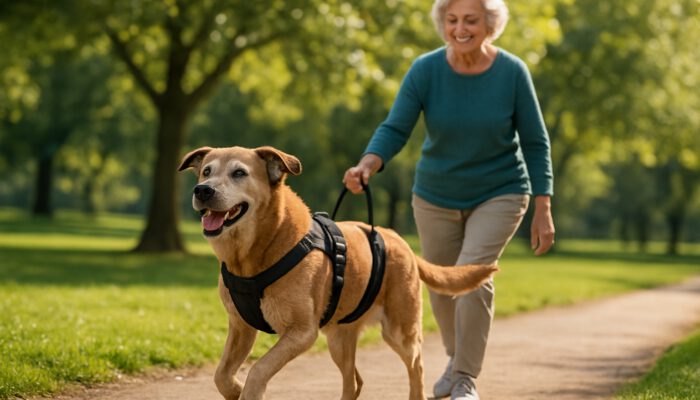
Incorporating mobility aids into everyday routines can significantly enhance a senior dog’s quality of life. These aids not only offer physical support but also foster a sense of independence. The primary advantages of using mobility aids include:
- Boosted confidence during movement
- Increased participation in daily activities
- Lowered risk of falls and injuries
- Enhanced comfort during walks and playtime
By seamlessly integrating these devices into daily life, caregivers can help their dogs remain active and engaged. This not only promotes physical health but also positively affects the dog’s emotional state, making daily experiences more rewarding for both the dog and the caregiver.
What Considerations Should Be Made When Evaluating Device Compatibility for Your Dog?
When selecting mobility aids, it is crucial to assess how various devices align with each dog’s size, breed, and specific mobility issues. Each dog is unique, and the right aid must provide adequate support without causing discomfort.
Caregivers should consider factors such as weight capacity, adjustability, and the specific needs of their dog. Ensuring compatibility between the aid and the dog’s physical condition is essential for safe and effective long-term use, facilitating a smoother transition to mobility aids.
How to Effectively Monitor Progress After Introducing Mobility Aids?
Tracking improvements in mobility and behaviour following the introduction of mobility aids is crucial for maximising their effectiveness. Caregivers should closely observe changes in their dog’s activity levels and overall demeanour, documenting any positive developments or areas that may require adjustments.
Regular monitoring aids in refining the use of mobility aids, ensuring their effectiveness in enhancing mobility. Maintaining a journal or log can be beneficial for tracking progress, enabling caregivers to make informed decisions regarding the ongoing use of mobility devices.
How Can Veterinary Consultation Assist in Choosing the Right Devices?
Consulting with veterinary professionals provides invaluable insights when selecting mobility devices for ageing dogs. Veterinarians can offer tailored recommendations based on their expertise regarding the specific needs of dogs facing degenerative joint diseases or other mobility impairments.
Their guidance can aid caregivers in choosing the most suitable aids that optimise health outcomes and enhance daily functioning. A collaborative approach ensures that the selected mobility aids meet the dog’s medical needs, ultimately improving their overall quality of life.
What Are the Most Common Mobility Aids Available for Senior Dogs?
Which Factors Influence the Choice of Mobility Aids?
Several important factors must be considered when selecting mobility aids for older dogs to ensure that the chosen device meets their specific requirements. Key considerations include the dog’s weight capacity, ease of adjustment, and compatibility with various surfaces.
Opting for aids that effectively address these factors can significantly enhance the dog’s mobility and overall safety. Caregivers should also take into account the unique physical challenges faced by their dogs, ensuring the selected aids provide adequate support and comfort throughout the day.
What Benefits Do Lifting Support Harnesses Provide?
Harnesses designed with lifting support are invaluable tools for senior dogs. These devices distribute the dog’s weight evenly, reducing strain on the back and legs during walks and transitions. Such harnesses are especially beneficial for dogs suffering from arthritis or muscle weakness.
Utilising a lifting harness enables caregivers to assist their dogs without placing unnecessary stress on their joints. This support enhances outdoor experiences and encourages dogs to maintain an active lifestyle, which is critical for their overall health and happiness.
How Do Wheeled Carts Provide Essential Rear Support for Dogs?
Wheeled carts are specifically designed for dogs with hind limb weakness, allowing them to continue exploring their environment while safeguarding their spine from excess pressure. These carts enable dogs to retain mobility and independence, both of which are vital for their emotional well-being.
Modern wheeled carts are often adjustable and lightweight, making them easy to use and transport. By providing rear support, these carts empower dogs to partake in activities they enjoy, ensuring they remain active family members.
What Are the Research-Backed Benefits of Mobility Aids for Senior Dogs?
How Do Real-Life Cases Illustrate the Effectiveness of Mobility Aids?
Real-life stories vividly demonstrate the positive impact of mobility aids on the lives of senior dogs. Many caregivers have reported substantial improvements in their pets’ mobility and overall happiness after integrating these devices. The primary benefits of using mobility aids include:
- Increased willingness to engage in light exercise
- Improved social interactions with family and friends
- Enhanced overall joint health
- Greater independence in daily activities
These positive outcomes highlight how mobility aids can significantly enrich the lives of senior dogs, allowing them to enjoy their surroundings and maintain vibrant, active lifestyles.
How Effective Are Mobility Aids in Everyday Scenarios?
Research indicates that consistent use of mobility aids leads to improved <a href="https://electroquench.com/joint-health-protocols-a-complete-wellness-guide/">joint health</a> and an increased likelihood of senior dogs participating in physical activities. The benefits of these devices extend beyond basic physical support; they also enhance the dog’s overall quality of life.
Dogs that utilise mobility aids frequently demonstrate heightened enthusiasm for walks and play, which contributes positively to their well-being. This engagement fosters healthier lifestyles, as active dogs are less likely to develop further health complications associated with inactivity.
How Do Mobility Aids Minimise the Risk of Secondary Injuries?
Well-designed mobility aids can significantly decrease the risk of secondary injuries in senior dogs. By providing crucial support, these devices help prevent falls and overcompensation that could strain unaffected areas of the body.
Caregivers should prioritise aids that promote stability and balance, allowing dogs to move with confidence. This proactive approach safeguards the dog’s physical health and alleviates the anxiety that may arise from fears of falling or injury.
In What Ways Can Mobility Aids Improve Daily Activities for Senior Dogs?
How Can Mobility Supports Aid in Navigating Stairs and Ramps?
Devices specifically designed for traversing stairs and ramps can make home environments safer and less stressful for dogs with limited leg strength. These aids provide the necessary support, allowing dogs to transition between different levels of the home with confidence.
By employing ramps or stair lifts, caregivers can assist their ageing dogs in maintaining access to their preferred resting spots or other areas within the home. This accessibility not only enhances their physical mobility but also positively impacts their emotional well-being, keeping them connected to their beloved surroundings.
What Role Do Mobility Aids Play in Outdoor Adventures for Dogs?
Lightweight mobility supports allow senior dogs to continue enjoying outdoor adventures while protecting their joints from impact on various surfaces. These aids facilitate walks and playtime, enabling dogs to revel in the beauty of nature without the risk of overexertion or discomfort.
Encouraging outdoor activities is essential for a dog’s mental and emotional welfare. Mobility aids ensure that dogs can fully enjoy their time outside, fostering a sense of adventure and connection to their environment.
How Do Mobility Aids Promote Independence at Home for Senior Dogs?
Strategically positioning mobility aids throughout the home enables ageing dogs to access their favourite resting places and engage in daily activities without needing constant assistance from caregivers. This independence is crucial for their emotional health and overall quality of life.
Facilitating easy movement within the home helps dogs feel more secure and confident. This autonomy enriches their daily experiences and strengthens the bond between the dog and their caregiver, creating a happier living environment.
How Do Mobility Aids Ensure Comfortable Sleeping Positions for Dogs?
Orthopaedic mobility aids, such as adjustable beds and lifts, play a crucial role in helping dogs maintain comfortable sleeping positions. These aids relieve joint pressure, alleviate chronic pain, and promote deeper restorative sleep, which is essential for recovery and daily energy levels.
Creating a welcoming sleeping environment can significantly influence an ageing dog’s overall health and well-being. By investing in appropriate support, caregivers can help their pets achieve restful sleep, enhancing both their physical and emotional states.
How Do Mobility Aids Facilitate Social Interactions for Senior Dogs?
Portable mobility supports allow senior dogs to participate in family gatherings or visit friends with greater ease. By providing stability during movement, these aids reduce the risk of falls and improve the dog’s ability to engage in social activities that are vital for their emotional health.
Maintaining social connections is essential for a dog’s emotional well-being. Mobility aids help ensure that dogs remain active participants in family life, reducing feelings of isolation and fostering a strong sense of belonging within their household.
How to Choose the Right Support for Your Senior Dog?
Why Is Consulting Veterinary Professionals Essential?
Expert guidance from veterinary professionals is crucial to ensure that mobility aids align with the medical needs of senior dogs. Veterinarians can evaluate the dog’s specific condition and recommend suitable devices to prevent complications arising from improper fit or usage.
This collaboration enables caregivers to make informed decisions regarding the best mobility aids for their pets. Regular consultations can also facilitate adjustments to care plans as the dog’s needs evolve, ensuring ongoing support and well-being.
How to Trial Mobility Aids Before Making a Purchase?
Trial periods provide a practical way to confirm the comfort and effectiveness of mobility aids before finalising a purchase. Caregivers should closely observe their dog’s reactions to the aids, noting any signs of discomfort or reluctance during use.
Testing various devices allows for a more personalised approach to mobility support, ensuring that the chosen aid effectively meets the dog’s unique needs. This careful consideration increases the likelihood of successful long-term use, optimising both comfort and functionality.
What Features Should Owners Prioritise When Choosing Mobility Aids?
When selecting mobility aids, owners should focus on features that enhance comfort and usability for their dogs. Key aspects to consider include adjustable straps, durable materials, and breathable designs that support extended wear without causing irritation or discomfort.
Prioritising these critical features ensures that the mobility aid is not only effective but also comfortable for the dog. A well-designed aid increases the likelihood of regular use, positively impacting the dog’s overall well-being and quality of life.
How to Tailor Support to Your Dog’s Size and Breed?
Evaluating an ageing dog’s unique size, weight distribution, and breed-specific needs is crucial for selecting the appropriate mobility aids. Properly matched devices provide precise support, preventing potential strain or discomfort during daily activities.
Caregivers should take the time to measure their dogs and consult with professionals to ensure the chosen aids are suitable. This attention to detail enhances the effectiveness of mobility aids, leading to a more comfortable and enjoyable experience for the dog.
How to Ensure Ease of Use and Maintenance of Mobility Aids?
User-friendly designs that facilitate quick application and removal simplify daily routines for caregivers and their dogs. Ensuring that mobility aids are easy to use reduces stress for both the dog and caregiver during transitions to and from the support device.
Regular maintenance of these aids is vital for ensuring their longevity and effectiveness. Prioritising ease of use encourages consistent application, which is crucial for the dog’s mobility and overall quality of life, allowing for smoother daily interactions.
Frequently Asked Questions
What Are Mobility Aids for Senior Dogs?
Mobility aids for senior dogs consist of specialised devices designed to assist dogs with limited mobility. These include harnesses, wheeled carts, ramps, and various supportive tools that facilitate safe and comfortable movement for dogs facing mobility challenges.
When Should I Start Considering Mobility Aids for My Dog?
Consider mobility aids when you begin noticing signs of difficulty in movement, such as reluctance to walk, climb stairs, or rise from a lying position. Early intervention can significantly enhance your dog’s quality of life.
How Do I Choose the Most Suitable Mobility Aid for My Dog?
Selecting the appropriate mobility aid involves assessing your dog’s size, weight, and specific mobility issues. Consulting with a veterinarian can provide valuable insights and recommendations regarding the best options available for your dog.
Can Mobility Aids Help Reduce Joint Pain in Dogs?
Yes, mobility aids can effectively alleviate joint pain by providing essential support and reducing strain on affected areas. This assistance encourages more natural movement, ultimately enhancing your dog’s overall comfort and mobility.
How Do I Gradually Introduce a Mobility Aid to My Dog?
Introduce mobility aids gradually, allowing your dog to acclimatise to the device at their own pace. Use positive reinforcement and short sessions to encourage acceptance and comfort with the aid during the initial stages.
Are There Specific Harnesses Designed for Older Dogs?
Yes, there are harnesses specifically engineered for older dogs that offer lifting support and evenly distribute weight, minimising strain during movement. These harnesses are essential for improving mobility and supporting senior dogs in their daily activities.
What Key Advantages Do Wheeled Carts Offer for Dogs?
Wheeled carts enable dogs with hind limb weakness to maintain mobility and independence. They facilitate continued exploration while protecting the spine from excess pressure and strain, allowing dogs to remain active family members.
How Can I Ensure My Dog Is Comfortable While Using Mobility Aids?
To ensure comfort, select aids with adjustable features, breathable materials, and proper sizing. Regularly check for signs of discomfort and make necessary adjustments to optimise your dog’s experience with the mobility aid.
Can Mobility Aids Prevent Further Injuries in Dogs?
Yes, well-designed mobility aids can help prevent falls and overcompensation, thereby reducing the risk of secondary injuries. They provide stability and support, encouraging safer movement for senior dogs.
How Often Should I Consult My Veterinarian Regarding My Dog’s Mobility?
Regular consultations are advisable, especially if you notice changes in your dog’s mobility. Your veterinarian can provide ongoing assessments and adjust care plans as needed to ensure optimal support and health for your dog.
Connect with Us on Facebook for More Insights!
The Article Mobility Aids For Aging Dogs: Helping Your Pet Stay Active First Published On https://elgatoencasa.com
The Article Mobility Aids for Aging Dogs: Keep Your Pet Active Was Found On https://limitsofstrategy.com
The Article Mobility Aids for Dogs: Keeping Your Aging Pet Active found first on https://electroquench.com