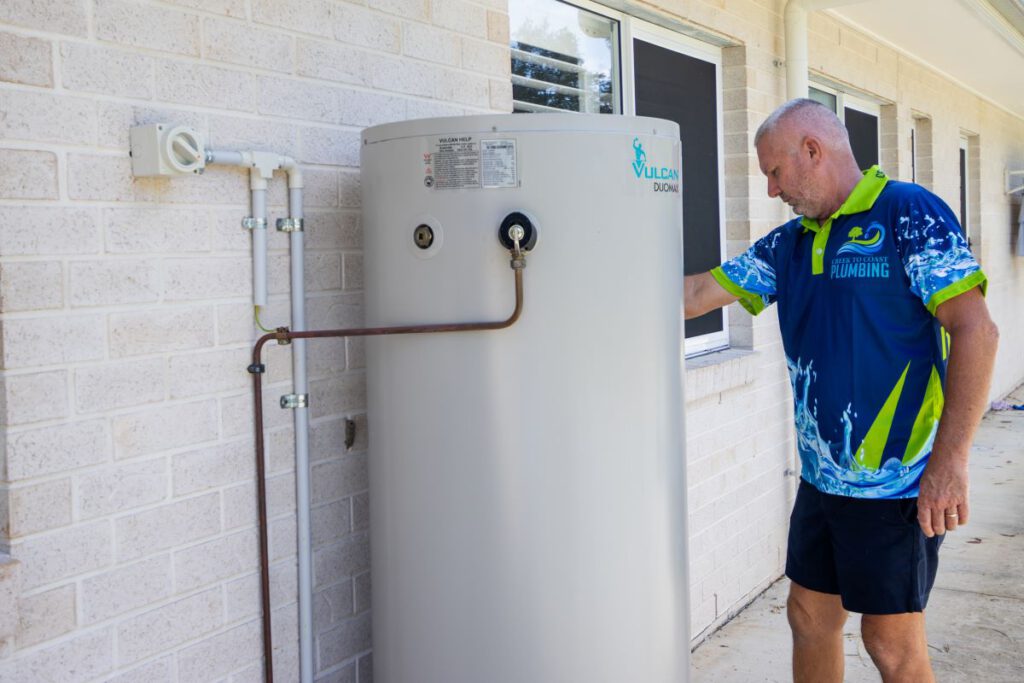
Are you facing challenges with your hot water system? Is it taking an unusually long time to recover after a shower? Have your electricity bills taken a sharp increase? If your relatively new hot water unit is emitting strange noises, it may be time to delve deeper into the issue.
Frequently, the root of the problem does not lie with the hot water system itself, but rather with the quality of the water it processes.
In Caboolture, the local water supply is rich in dissolved minerals, particularly calcium and magnesium. When this water is heated, these minerals precipitate and form deposits on various components of the system, including the heating element, tank walls, anode rod, and valves. Over time, the build-up of scale can significantly impair your system’s efficiency and lifespan.
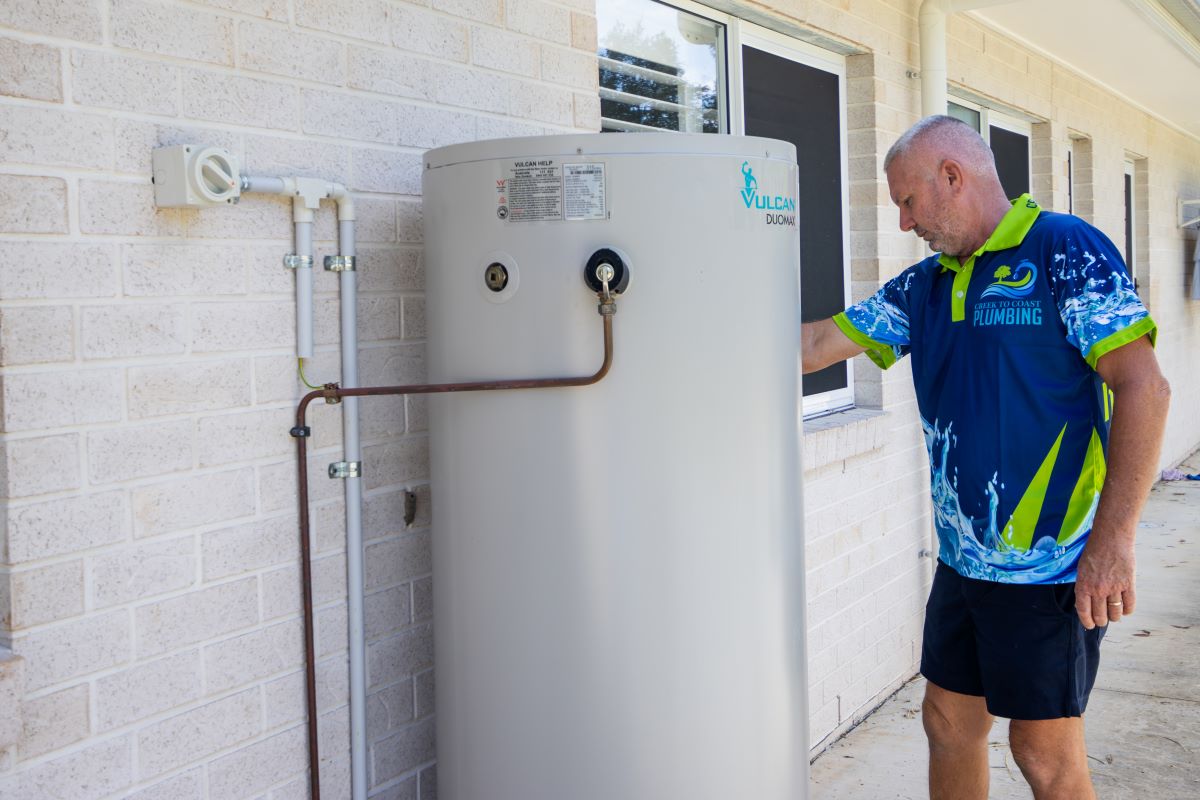
Exploring the Consequences of Hard Water Scale on Your Hot Water System
- Insulates the heating element. In electric systems, scale forms a crust on the heating element. This layer compels the element to operate harder and for longer durations to heat the water, resulting in increased energy costs and a faster depletion of hot water.
- Reduces tank capacity. Scale deposits diminish the effective capacity of the tank. For example, a 250-litre tank heavily coated with scale may only yield 200 litres of usable hot water.
- Accelerates anode rod corrosion. Hard water leads to the sacrificial anode rod deteriorating at a significantly faster rate. Once the rod is exhausted, it can result in internal corrosion of the tank.
- Clogs valves and fittings. Scale accumulation in the tempering valve (TMV), pressure relief valve, and other fixtures can disrupt their functioning. A blocked TMV may fail to regulate temperature properly, presenting a safety hazard, particularly in homes with children.
- Decreases efficiency in gas and heat pump systems. As scale builds up on heat transfer surfaces, gas heat exchangers, heat pump coils, and solar collectors become less effective.
How Can You Recognise Signs of Scale Damage in Your Hot Water System?
- Water takes longer to heat, as the system requires extended cycles to reach the desired temperature.
- Hot water depletes more quickly due to diminished tank capacity and reduced heating element efficiency.
- Popping or cracking sounds indicate that scale on the heating element is trapping small pockets of water, which rapidly convert to steam.
- Rusty or discoloured hot water signals that the anode rod has failed, leading to potential internal tank corrosion.
- A leaking pressure relief valve may arise when scale obstructs proper sealing.
- Visible white crusty deposits around fittings highlight significant internal scale accumulation.
Effective Strategies to Protect Your Hot Water System from Scale Damage
- Annual tank flushing. Regularly draining and flushing the tank eliminates loose sediment and scale. This service is typically included in our standard hot water maintenance.
- Anode rod inspection and replacement. Schedule inspections every 2 to 3 years and replace the rod when signs of wear become evident. In the hard water conditions of Caboolture, anode rods frequently require replacement every 3 to 4 years, compared to the usual 5 to 7 years.
- Testing the TMV. Ensure that the tempering valve is functioning properly, especially in households with children or elderly residents.
- Install a whole-house water filter. A sediment filter on the main water supply reduces the mineral load entering your hot water system. While it won’t completely eliminate scale, it significantly slows its accumulation.
- Manage water temperature effectively. Setting the thermostat to 60°C in the tank and mixing it to 50°C at outlets balances the prevention of legionella bacteria growth with scale management.
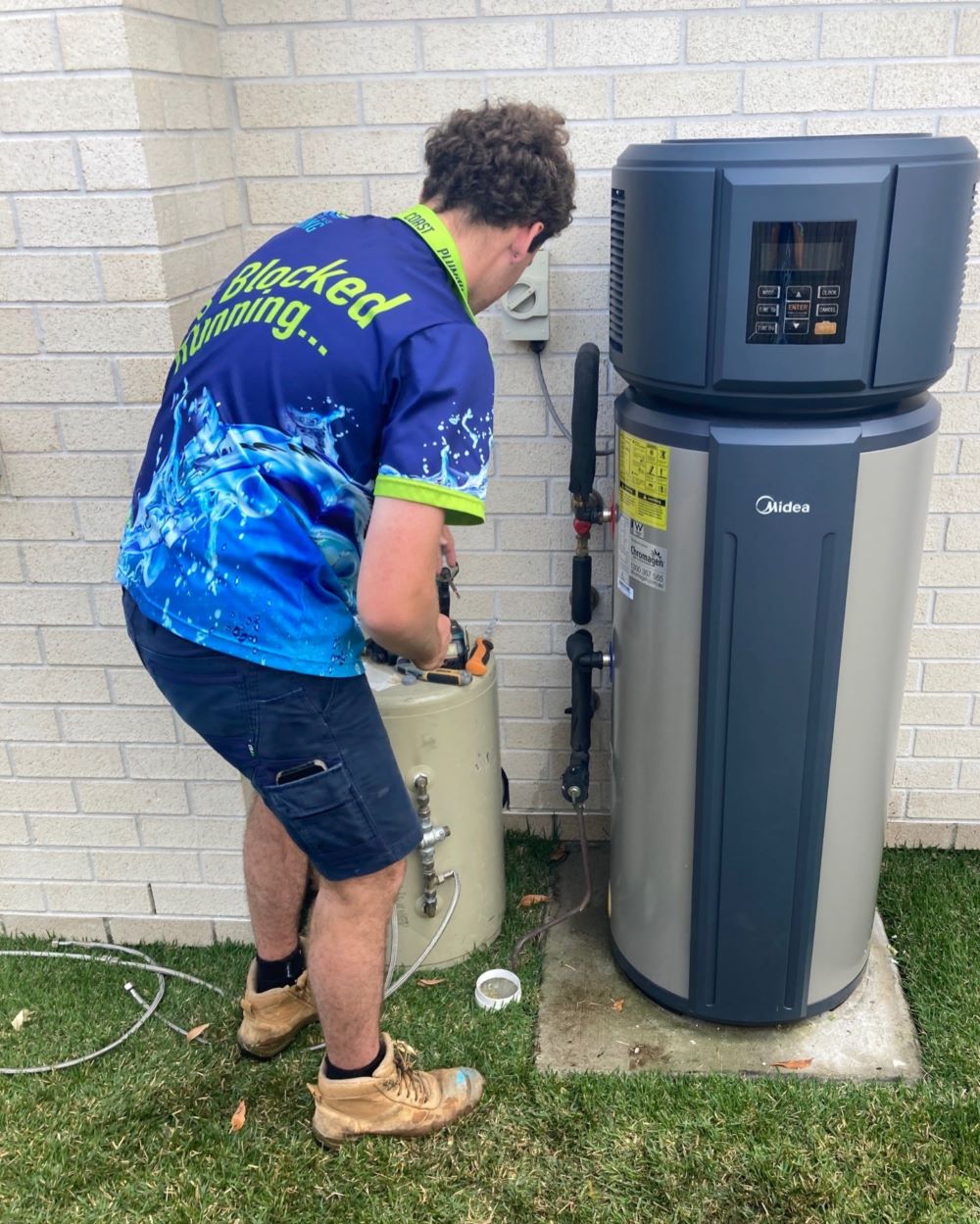
When Should You Consider Replacing Your Hot Water System?
If your hot water system is over 10 years old and shows signs of scale damage, replacing it may be more economically viable than persistent repairs. Here are your options in Caboolture:
- Electric hot water systems: Traditional storage units remain popular in older homes. Pairing them with a water filter can help protect your new installation.
- Gas hot water systems: Continuous flow systems heat water on demand, minimising the impact of scale as there is no standing water in a tank.
- Heat pump hot water systems: These energy-efficient units extract heat from the air. Government rebates may be available, but remember that the tank still requires anode rod maintenance.
- Solar hot water systems: Roof-mounted collectors combined with a storage tank can be affected by scale, so including a water filter is advisable.
We will assess your current system, evaluate the water quality, and understand your household needs to recommend the most suitable replacement option. Expect straightforward advice without any sales pressure. For further details, visit our hot water services page.
A Comprehensive Overview of Hot Water System Service Costs
As a general guideline, a standard hot water service, which includes flushing, anode rod checks, TMV testing, and pressure relief inspections, is the most economical approach to extending your system’s lifespan. Anode rod replacement falls within the mid-range cost-wise, while the complete supply and installation of a new system represents the highest expense. Various factors influence the final cost, including system type, accessibility, and overall condition. We provide quotes after assessing your specific situation. Weigh these costs against the potential expenses of an emergency replacement when a tank fails; regular maintenance clearly demonstrates its value.
To schedule a hot water system assessment, call 1300 793 962 or get in touch with us today.
Frequently Asked Questions About Hard Water and Hot Water Systems
What is the hardness level of water in Caboolture?
The water in Caboolture is classified as moderately hard. The mineral content can fluctuate seasonally and may surge after heavy rainfall due to rising turbidity. While it is not as hard as bore water, it is sufficient to cause significant scale accumulation in hot water systems over time. A water test can accurately determine the hardness level at your property.
How often should I flush my hot water system?
Annual flushing is the minimum recommendation. Given the hard water conditions in Caboolture, performing this task every 6 months is even more beneficial. Regular flushing eliminates loose sediment from the bottom of the tank and allows you to inspect the anode rod and pressure relief valve.
Is it possible to reverse scale damage?
Minor scale on the tank walls can be flushed out. heavy scale that has bonded to the heating element or tank lining is permanent and requires the replacement of damaged components. This underscores the importance of preventive measures through regular maintenance and filtration, which is far more cost-effective than addressing established scale damage.
Can a water softener resolve hard water issues?
Water softeners exchange calcium and magnesium ions for sodium ions. While effective, they introduce sodium into your water, which may not be suitable for drinking or for individuals on sodium-restricted diets. For most homes in Caboolture, a whole-house sediment and carbon filter offers a simpler solution, reducing mineral load without adding anything to the water.
What are the typical maintenance costs for hot water systems?
Maintenance costs vary based on the system and its specific requirements. A standard service is significantly cheaper than installing a new system, and regular maintenance generally proves more economical than emergency replacements. We provide an accurate quote after assessing your system, as numerous factors influence pricing.
Original Article First Published At: Is Hard Water Killing Your Hot Water System? A Caboolture Guide
The Article: Hard Water and Your Hot Water System: A Caboolture Guide first appeared on https://writebuff.com
The Article Hard Water Impact on Your Hot Water System in Caboolture Was Found On https://limitsofstrategy.com
The Article Impact of Hard Water on Hot Water Systems in Caboolture found first on https://electroquench.com