Discover Comprehensive Insights on the FBC Test in Hull
What is the Historical Importance of the FBC Test?
Private FBC Test in Hull: The FBC test, better known as the Full Blood Count, has a captivating history that closely links with the evolution of medical diagnostics. This vital test emerged in the late 19th century, primarily designed to provide essential insights into a patient’s overall health by meticulously analysing various blood components. Over the years, remarkable technological advancements and methodological improvements have facilitated its widespread adoption, particularly in community health settings across the UK, including Hull, where it plays a crucial role in health assessments.
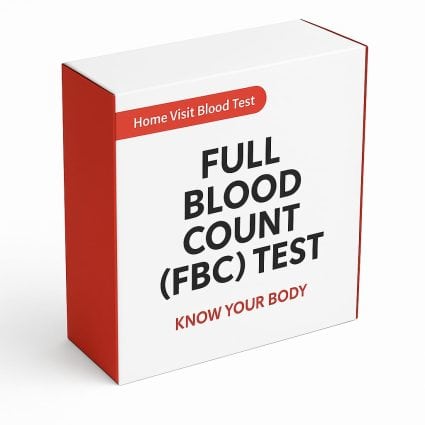

In Hull, local healthcare providers have eagerly embraced the FBC test to address specific health concerns prevalent in the area, including anaemia and various infections. The incorporation of this essential test into routine health examinations has significantly improved health outcomes for the community. For instance, the introduction of mobile health clinics in Hull has dramatically enhanced access to these critical services, enabling residents to undergo timely blood tests without the need to visit hospitals. These community-focused initiatives underscore the evolution of the FBC test, effectively transforming the landscape of preventive healthcare in Hull.
Understanding the Key Components of the FBC Test
The FBC test comprises several essential components that are crucial for obtaining accurate and meaningful results. These components include haemoglobin levels, white blood cell counts, platelet</b counts, and haematocrit levels, each providing unique insights into a patient’s health status. Gaining a comprehensive understanding of these components is vital for anyone considering the test, as it equips both healthcare providers and patients with the necessary knowledge about what to anticipate throughout the entire process.
To ensure that all users can easily interpret their results, the FBC test adheres to established practices aimed at facilitating straightforward understanding. For instance, when a patient attends a clinic in Hull, they can expect a thorough explanation of each component of the test, presented in an accessible manner. The procedures implemented are designed to be user-friendly, ensuring that individuals from diverse backgrounds grasp the significance of their results. This level of transparency not only enhances patient engagement but also fosters a more informed and health-conscious community.
Standard Procedures for Conducting the FBC Test
Executing an FBC test involves a series of standardised protocols aimed at ensuring accurate and reliable outcomes. Initially, a qualified healthcare professional will collect a blood sample, typically drawn from a vein in the arm. This procedure is quick, generally taking only a few minutes, and patients usually experience minimal discomfort, making it a straightforward process.
Preparation for the test typically suggests that patients remain well-hydrated and avoid heavy meals prior to their appointment. Following the blood draw, the sample is sent to a laboratory for analysis, where it undergoes a series of procedures to measure its various components.
The key benefits for participants include:
- Early identification of potential health issues.
- Regular monitoring of chronic conditions.
- Enhanced understanding of overall health status.
- Informed discussions with healthcare providers regarding treatment options.
These protocols streamline the testing process and empower individuals to take control of their health, establishing the FBC test as an invaluable tool in public health strategies throughout Hull.
How is the FBC Test Administered in Hull?
What Steps are Involved in the FBC Testing Procedure?
The process of conducting an FBC test is both systematic and straightforward. It begins with a patient visiting a healthcare facility, such as a GP practice or clinic in Hull. Upon arrival, they will complete the necessary paperwork, which may involve providing their medical history and signing consent forms. This initial step ensures that healthcare providers have all pertinent information before proceeding with the test.
Next, a trained phlebotomist will perform the blood draw. This is typically done by inserting a needle into a vein, usually in the arm. Once the blood is successfully collected, it is placed in a labelled tube for identification purposes. The entire procedure occurs in a controlled environment, designed to minimise contamination risks and guarantee accurate results. After the sample is secured, it is sent to a laboratory for thorough analysis.
It is crucial to emphasise that the accuracy of the results significantly depends on the controlled conditions under which the test is conducted. Factors such as temperature, the time elapsed since the blood draw, and specimen handling play vital roles in determining the final outcomes.
What Factors Can Affect the Results of the FBC Test?
Several variables can significantly influence the results of the FBC test. One of the primary factors is the environmental conditions, which include temperature and humidity levels within the laboratory. Blood samples are particularly sensitive to these factors; thus, maintaining optimal conditions is essential for accurate analysis.
Moreover, the techniques employed during the blood draw can also impact outcomes. For example, if blood is drawn too quickly or the site is not adequately disinfected, it may lead to contamination and inaccurate results. Therefore, healthcare professionals in Hull must adhere meticulously to established protocols to mitigate these risks.
Additionally, individual patient factors such as hydration levels, medications, and underlying health conditions can also affect test outcomes. Patients are encouraged to discuss any relevant health issues with their healthcare provider before the test, ensuring that all factors are considered in the interpretation of the results.
What Challenges May Arise During the FBC Testing Procedure?
While the FBC test is generally straightforward, there are potential challenges that may emerge during the testing process. One common issue is the anxiety or fear associated with needles, which can complicate the blood sampling procedure. Healthcare providers in Hull have developed effective strategies to alleviate these concerns, including distraction techniques and creating a calming environment to help put patients at ease.
Another challenge may stem from variability in results due to factors such as the time of day the test is conducted or recent physical activity. These variables can lead to fluctuations in blood components, making it essential for patients to be well-informed about best practices for preparation.
By addressing these challenges, healthcare providers can enhance the overall patient experience through clear communication and support. Educating patients about what to expect and how to prepare significantly reduces the likelihood of encountering issues during the testing process.
Expert Analysis on the Significance of the FBC Test in Hull
How Does the FBC Test Align with Best Practices in Healthcare?
Incorporating the FBC test into daily health routines aligns seamlessly with best practices in preventive healthcare. This test is designed to provide a comprehensive overview of an individual’s health, facilitating the early detection of conditions such as anaemia, infections, and blood disorders. In Hull, healthcare experts strongly advocate for regular testing, particularly among individuals with a family history of related health issues.
To effectively incorporate the FBC test into daily routines, patients should prioritise scheduling regular check-ups, especially if they experience symptoms such as fatigue or recurrent infections. By maintaining open lines of communication with healthcare providers, individuals can engage actively in discussions about their health and make informed decisions based on their test results.
Furthermore, healthcare professionals recommend combining the FBC test with other routine examinations to foster a holistic approach to health monitoring. For instance, discussing lifestyle factors such as diet and exercise during appointments can enhance the effectiveness of the test results, ultimately leading to improved health outcomes for the community.
What Advanced Techniques Are Utilised to Ensure Accuracy in the FBC Test?
To enhance the accuracy of the FBC test, healthcare providers in Hull employ a variety of advanced techniques. One such approach involves the use of automated analysers that help ensure consistent results by minimising human error during testing. These machines are equipped with sophisticated technology capable of processing multiple samples simultaneously, thereby enhancing efficiency.
In addition, clinicians may employ refined methods for interpreting results, such as leveraging computer algorithms to identify trends in a patient’s blood counts over time. This historical perspective enables healthcare providers to detect subtle changes that may indicate the onset of a medical condition, ensuring timely interventions.
Real-world examples demonstrate the effectiveness of these advanced techniques. In Hull, certain clinics have reported notable improvements in patient outcomes by integrating automated systems into their testing protocols, resulting in more timely diagnoses and personalised treatment plans.
What Are the Long-Term Advantages of Regular FBC Testing?
Regular implementation of the FBC test brings numerous long-term benefits that extend beyond immediate health assessments. One of the primary advantages is the capability to effectively monitor chronic conditions. For individuals living with diabetes or cardiovascular diseases, consistent blood tests provide crucial data that informs necessary treatment adjustments, ultimately leading to better management of their conditions over time.
Moreover, regular testing encourages a proactive approach to health, motivating individuals to actively engage in their wellness journeys. Over time, this can lead to increased efficiency in healthcare delivery, as healthcare providers are better equipped to identify trends and patterns in patients’ health.
Additionally, the psychological benefits of being aware of one’s health status cannot be understated. Regular FBC tests empower patients, providing them with the information needed to make informed lifestyle choices and seek timely medical advice. This proactive stance not only enhances individual health but also contributes positively to the overall well-being of the community in Hull.
What Are the Key Advantages of the FBC Test in Hull?
How Can the FBC Test Improve Daily Health Routines?
The FBC test significantly enhances daily health routines by equipping individuals with actionable insights into their health. For instance, by identifying low haemoglobin levels, individuals can take proactive measures, such as dietary adjustments or lifestyle changes, to improve their overall health. This knowledge empowers patients to tailor their routines according to their health needs, ultimately resulting in enhanced energy levels and a higher quality of life.
Moreover, regular testing can help individuals stay ahead of potential health issues. By incorporating the FBC test into their health check-ups, residents of Hull can make informed lifestyle choices, ensuring they remain aligned with their health goals. This proactive approach not only elevates daily routines but also nurtures a culture of health awareness within the community.
For instance, a family in Hull that prioritises regular FBC testing has reported fewer illnesses and increased vitality, illustrating how the insights gained from the test translate into improved daily living.
What Long-Term Benefits Do Users Experience from Consistent FBC Testing?
The long-term advantages of committing to regular FBC testing are extensive, particularly for users who prioritise this essential health check. One of the most significant benefits is the potential for early detection of underlying health conditions. By consistently monitoring blood counts, healthcare professionals can identify trends, enabling timely interventions before conditions escalate into more serious health issues.
For sustained health optimisation, consistent FBC testing can enhance the management of chronic illnesses, such as hypertension and diabetes. By tracking blood parameters over time, patients can collaborate with their healthcare providers to adjust treatment plans accordingly, ultimately improving their health outcomes.
Furthermore, users who engage in regular testing often find that they cultivate healthier lifestyle habits. The awareness that arises from understanding one’s health status encourages individuals to make dietary and exercise choices that promote overall wellness, leading to long-lasting benefits for both physical and mental health.
What Potential Drawbacks Should Be Considered with the FBC Test?
While the FBC test provides invaluable insights into health, there are potential drawbacks that users should remain aware of. These may include:
- Cost implications for regular testing if not covered by health insurance.
- Time constraints associated with scheduling appointments.
- Potential anxiety for individuals who may be apprehensive about blood tests.
- Variability in results due to factors such as hydration and time of day.
Navigating these considerations can help individuals make informed decisions about their health management strategies. It is essential to weigh these potential drawbacks against the substantial benefits of regular FBC testing, particularly its role in early detection and ongoing health monitoring.
What Economic Benefits Does the FBC Test Provide for Households?
The economic advantages of the FBC test for households in Hull are considerable. By investing in regular testing, families can potentially reduce long-term healthcare costs associated with untreated conditions. Early detection through FBC testing facilitates timely interventions, preventing the escalation of health issues that might otherwise require costly treatments or hospitalisation.
Additionally, regular health monitoring can result in significant savings on medical expenses over time. For example, promptly managing conditions such as anaemia or infections can diminish the need for emergency care and minimise the number of lost workdays due to health-related issues. Moreover, households can benefit from enhanced productivity and quality of life, as family members remain healthier and more active.
In this context, prioritising the FBC test can be viewed as a proactive investment in the family’s health, yielding both financial savings and improvements.
Research-Backed Benefits of the FBC Test in Hull
What Evidence Supports the Effectiveness of the FBC Test?
The evidence supporting the effectiveness of the FBC test is substantial, with numerous studies underscoring its role in health monitoring and disease prevention. Research indicates that patients who undergo regular FBC testing are more likely to detect health issues early, leading to improved treatment outcomes.
For instance, studies have shown that individuals with consistently monitored blood counts can adjust their dietary and lifestyle choices based on their results, leading to significant health improvements over time. This evidence highlights the test’s importance not just as a diagnostic tool but also as a catalyst for positive health changes.
To leverage these insights, individuals should consider collaborating closely with healthcare providers to interpret their results accurately and incorporate them into their overall health management strategies.
How Can Positive Outcomes from the FBC Test Be Maximised?
Maximising the positive outcomes of the FBC test involves employing strategies informed by research and best practices. Personalisation is essential; individuals can achieve optimal results by tailoring their health plans based on their specific test outcomes. This might involve dietary changes, increased physical activity, or other lifestyle modifications that align with their blood test results.
Furthermore, remaining informed about the implications of each component of the FBC test empowers patients to engage more meaningfully with their healthcare providers. For instance, understanding the significance of platelet counts can motivate individuals to take necessary precautions if their levels fall outside the normal range.
Incorporating regular follow-ups with healthcare professionals ensures that patients can make data-driven decisions about their health and continuously refine their approaches to achieve optimal outcomes.
How to Integrate Findings from the FBC Test into Practice?
Integrating research-backed findings into practice is crucial for enhancing the effectiveness of the FBC test. Healthcare providers in Hull are encouraged to adapt their recommendations according to the latest research, ensuring patients receive evidence-informed care. This may involve utilising technology to track trends and patterns in patients’ blood counts over time.
Real-world examples of successful integration can be observed in local clinics, where healthcare teams use electronic health records to consistently monitor patients’ FBC results. This systematic approach allows for timely interventions and adjustments to treatment plans based on emerging data, ultimately leading to better health outcomes for patients.
By fostering a culture of continuous learning and adaptation, healthcare providers can ensure that the FBC test remains a cornerstone of effective health management strategies in Hull.
What Are the Potential Risks and Mitigation Strategies for the FBC Test?
Although the FBC test is generally considered safe, potential risks do exist, mainly associated with the blood draw process. These risks may include bruising, infection at the site, or fainting. However, these occurrences are rare and can be mitigated through proper training and adherence to safety protocols by healthcare professionals.
Furthermore, practitioners need to educate patients about what to expect during the test. Providing clear instructions regarding preparation and aftercare can significantly reduce anxiety and enhance the overall experience for patients.
By implementing these evidence-based approaches, healthcare providers in Hull can ensure a safer testing environment, thereby building patient trust and encouraging more individuals to engage in regular health monitoring.
What Are the Comparative Advantages of the FBC Test Over Alternatives?
When comparing the FBC test with other diagnostic methods, its distinct advantages become apparent. Unlike several alternative tests that focus on single parameters, the FBC provides a comprehensive overview of a patient’s health by assessing multiple blood components simultaneously. This multifaceted approach allows for more accurate diagnoses and greater insight into overall health.
Moreover, the FBC test is often less invasive and more accessible than alternative methods, making it a preferred choice for routine health monitoring. In Hull, patients appreciate the efficiency and quick turnaround time associated with FBC tests, enabling them to receive timely insights into their health without extensive waiting periods or complicated procedures.
By understanding these comparative advantages, individuals can make informed decisions about their health management strategies, positioning the FBC test as a cornerstone of preventive healthcare in Hull.
Essential Recommendations for the FBC Test in Hull
Why Is Timing Crucial in the FBC Testing Process?
Timing plays a vital role in the effectiveness of the FBC test. The time of day and context in which the test is performed can significantly influence the results. For example, blood counts can fluctuate based on various factors, including hydration levels and recent physical activity. Scheduling tests during consistent conditions—such as fasting or following exercise—can yield more reliable insights.
Healthcare providers in Hull recommend that patients adhere to specific timing guidelines to ensure accuracy. Engaging in discussions about these factors with a healthcare professional can lead to better preparation and, ultimately, more meaningful results.
What Essential Tools Contribute to Success in the FBC Test?
Success in the FBC test process hinges on the use of essential tools and resources. Key equipment includes sterile needles, blood collection tubes, and automated analysers, all of which play critical roles in guaranteeing accurate results.
Additionally, access to up-to-date clinical guidelines and training resources for healthcare professionals helps ensure they can perform the test efficiently. Regularly updating equipment and training protocols enhances the reliability of test outcomes, fostering confidence among patients.
By investing in these essential tools, healthcare facilities in Hull can create an environment that prioritises accuracy and patient care, ultimately leading to improved health outcomes for the community.
How to Maintain Continuous Engagement in Health Monitoring?
Maintaining ongoing engagement in health monitoring is paramount for the success of the FBC test and overall well-being. Strategies for long-term involvement include setting regular check-up reminders, establishing a routine for health assessments, and fostering open communication with healthcare providers.
Patients who actively participate in their healthcare by consistently discussing their test results and any relevant lifestyle changes are more likely to achieve better health outcomes. Establishing a partnership with healthcare professionals empowers individuals to remain engaged and informed about their health journey.
By prioritising ongoing engagement, residents of Hull can cultivate a culture of health awareness that benefits not only themselves but also their families and communities.
Frequently Asked Questions (FAQs)
What Specific Components Does the FBC Test Measure?
The FBC test measures various components of blood, including haemoglobin, white blood cells, and platelets, providing critical insights into overall health and potential medical conditions.
How Long Does It Typically Take to Receive FBC Test Results?
Typically, FBC test results are available within a few hours to a couple of days, depending on the laboratory processing times and the protocols established by the healthcare provider.
Is the FBC Test Associated with Any Pain?
Most individuals experience minimal discomfort during the blood draw, which usually feels similar to a quick pinch. The procedure is generally swift and well-tolerated by patients.
How Frequently Should I Undergo an FBC Test?
The frequency of FBC testing depends on individual health conditions and risk factors. Generally, annual check-ups are recommended, but your healthcare provider may suggest more frequent testing based on your specific health status.
Can I Eat Before Undergoing an FBC Test?
While fasting is not typically required for an FBC test, it is advisable to follow your healthcare provider’s instructions regarding food and drink before the test to ensure optimal results.
What Do Abnormal FBC Results Indicate?
Abnormal FBC results can signify various health issues, ranging from infections to blood disorders. It is crucial to discuss any abnormal findings with your healthcare provider to ensure appropriate interpretation and follow-up.
Are There Any Risks Associated with FBC Testing?
The risks are minimal but may include bleeding, bruising, or infection at the puncture site. Most individuals do not experience complications, and the procedure is generally considered safe.
What Preparations Should I Undertake for an FBC Test?
Preparation typically includes staying well-hydrated and following any specific instructions provided by your healthcare provider. Avoiding strenuous exercise before the test can also help ensure accurate results.
Can FBC Tests Be Performed at Home?
Currently, FBC tests are predominantly conducted in clinical settings due to the requirement for specialised equipment and trained personnel to ensure accurate results.
What Should I Do If I Feel Unwell Following the Test?
If you feel unwell after the FBC test, it is important to inform your healthcare provider immediately. They can assess your symptoms and guide any necessary follow-up actions.
Join us on Facebook for the latest updates!
This Article Was First Found On https://bloodtest.co.uk
The Article FBC Test Insights and Preparation Tips for Hull Residents found first on https://electroquench.com