The Vital Role of Cholesterol Testing in Promoting Heart Health in the UK
What Are the Current NHS Recommendations for Cholesterol Screening?
Private Blood Test for High Cholesterol in Cheltenham: Regular cholesterol assessments are essential for safeguarding heart health, particularly for individuals over the age of forty. The NHS advises that adults in the UK receive cholesterol evaluations every five years, with more frequent testing recommended for those identified as high-risk. Accessing cholesterol checks through local GP surgeries is instrumental in the early detection of potential health issues, allowing for timely interventions.
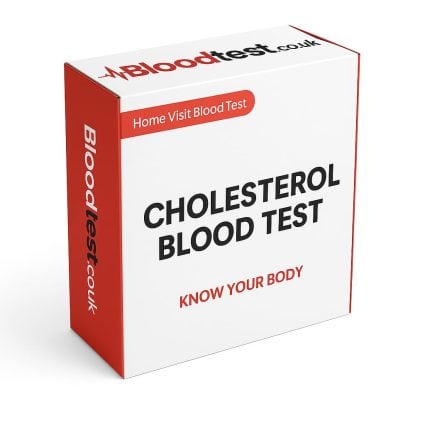

Consistent monitoring can significantly enhance community health across the United Kingdom. These evaluations not only identify <a href="https://electroquench.com/cholesterol-levels-recognising-dangerously-high-readings/">high cholesterol levels</a> but also encourage individuals to embrace healthier lifestyles. With guidance from local healthcare providers, individuals can receive personalised advice tailored to their specific health requirements.
What Subtle Indicators May Suggest Elevated Cholesterol Levels?
High cholesterol often goes unnoticed as it typically presents no overt symptoms. it is crucial to be mindful of subtle signs that could signal an underlying issue. For instance, fatigue might sometimes be associated with high cholesterol levels, particularly if it impacts blood circulation. A family history of heart disease serves as a significant indicator, prompting individuals to consider testing.
Proactive testing at local clinics can avert complications linked to high cholesterol, such as heart disease and stroke. By taking charge of their health, individuals can mitigate the risk of serious health issues in the future.
How Do Local Laboratories Guarantee Accurate Cholesterol Testing Results?
Local laboratories are integral in processing blood samples efficiently and delivering reliable cholesterol readings. These facilities employ state-of-the-art technology and are staffed by qualified professionals dedicated to providing precise and timely results. For Cheltenham residents, utilising these services can greatly enhance cardiovascular health outcomes.
Accurate test results are crucial for informing treatment decisions. With reliable cholesterol readings, healthcare providers can formulate effective management plans tailored to each patient’s needs, ultimately fostering improved health outcomes.
What Government Initiatives Aim to Raise Cholesterol Awareness?
The UK government has launched several public awareness campaigns designed to promote cholesterol testing and educate citizens about the importance of maintaining healthy cholesterol levels. These initiatives often leverage media platforms and community events to disseminate information and inspire individuals to take charge of their health.
By enhancing awareness of cholesterol and its impact on heart health, these campaigns contribute to a decrease in the overall incidence of heart disease within the population. The more individuals understand their cholesterol levels, the more inclined they are to make healthier lifestyle choices, fostering a healthier society overall.
Insights from Experts on Cholesterol Blood Testing in Cheltenham
What Inspiring Success Stories Have Emerged from UK Patients?
Countless individuals across the UK have undergone remarkable health transformations following cholesterol testing. For example, a Cheltenham resident discovered high cholesterol levels during a routine examination. By adhering to their doctor’s advice regarding dietary and exercise changes, they successfully reduced their cholesterol and improved their overall wellbeing.
These real-life stories serve as compelling reminders of the importance of regular testing. Sharing these success narratives encourages others to take proactive measures towards better health, illustrating that positive change is attainable and often within reach.
What Steps Should Be Taken to Prepare for Accurate Cholesterol Test Results?
Proper preparation is essential for obtaining reliable outcomes from a cholesterol blood test. Patients are generally advised to fast for at least 9-12 hours prior to the test, meaning they should avoid consuming anything other than water. This fasting period allows for a more accurate evaluation of cholesterol levels.
In the lead-up to the test, steering clear of certain foods, particularly those high in fats or sugars, can also contribute to more accurate results. By adhering to these preparatory guidelines, individuals can bolster the reliability of their test results, ensuring they accurately reflect their cholesterol levels.
How Often Should Individuals Get Their Cholesterol Tested?
The frequency of cholesterol testing is contingent upon personal risk factors and initial results. For those with normal cholesterol levels, the NHS recommends retesting every five years. Conversely, individuals with elevated cholesterol or other risk factors may need testing more frequently, potentially on an annual or biennial basis.
Regular evaluations facilitate continuous monitoring of cholesterol levels, allowing for timely adjustments to lifestyle or medication plans. This proactive strategy is essential for maintaining heart health and preventing complications associated with high cholesterol.
What Expertise Do Local Professionals Offer in Cholesterol Management?
Local specialists in Cheltenham provide invaluable insights into effectively managing high cholesterol levels. They can offer personalised recommendations based on an individual’s health profile, lifestyle choices, and preferences. These experts are well-versed in the latest NHS guidelines, assisting patients in navigating their health options.
Consulting experienced medical professionals ensures individuals receive tailored advice that considers both local circumstances and national health directives. This customised approach can lead to more effective cholesterol management and improved overall health outcomes.
What Advantages Does Cholesterol Testing Offer in Cheltenham?
How Can Early Detection Mitigate Serious Health Risks?
Identifying high cholesterol levels at an early stage can significantly diminish the risk of severe health complications, including heart disease and stroke. By swiftly recognising elevated cholesterol, healthcare providers can implement measures that promote long-term health for individuals in the United Kingdom.
Timely testing empowers individuals to take control of their health and make informed decisions regarding lifestyle modifications. Such proactive actions can enhance heart health and overall quality of life.
What Evidence-Based Benefits Are Linked to Cholesterol Testing in Cheltenham?
Extensive research underscores the significance of routine cholesterol testing in preventing cardiovascular disease. Studies reveal that individuals who consistently monitor their cholesterol levels are more likely to adopt necessary lifestyle changes, resulting in improved health outcomes. This evidence supports NHS guidelines advocating for regular testing, especially for at-risk groups.
The benefits of regular testing extend beyond individual health; they contribute to a broader decrease in the prevalence of heart disease within communities. By motivating individuals to monitor their cholesterol levels, healthcare professionals can help foster healthier populations throughout the United Kingdom.
What Lifestyle Adjustments Can Health Professionals Recommend?
Depending on test results, healthcare professionals can provide actionable strategies for diet and exercise that help individuals achieve improved health outcomes. For instance, increasing the consumption of fruits, vegetables, and whole grains can positively affect cholesterol levels.
Incorporating regular physical activity, such as walking or cycling, can also significantly benefit heart health. These evidence-based strategies empower individuals to take charge of their health and make informed choices that have a positive impact on their cholesterol levels.
How Can Individuals Gain a Clear Understanding of Their Cholesterol Numbers?
Understanding cholesterol numbers is crucial for making informed health decisions. Cholesterol is divided into two primary types: LDL (low-density lipoprotein) and HDL (high-density lipoprotein). Elevated LDL levels are often referred to as “bad” cholesterol, while HDL is known as “good” cholesterol, as it aids in removing LDL from the bloodstream.
By comprehending these figures, patients can achieve a clearer picture of their health status. Healthcare providers can assist individuals in interpreting their results and implementing necessary lifestyle adjustments to manage their cholesterol levels effectively.
What Are the Key Benefits of Regular Cholesterol Monitoring?
Regular monitoring of cholesterol levels offers several key advantages, including:
- Early detection of potential health issues.
- Informed decision-making regarding diet and lifestyle.
- Reduced reliance on medication over time.
- Enhanced energy levels and overall wellbeing.
- Increased motivation to maintain a healthy lifestyle.
These advantages highlight the critical importance of regular cholesterol monitoring and encourage individuals to prioritise their health.
What Does the Cholesterol Testing Procedure Involve?
What Is Involved in the Blood Draw Process?
During a cholesterol blood test, a healthcare professional conducts a straightforward blood draw, typically from the arm. This procedure involves a quick needle prick to collect a small blood sample for analysis. Most patients experience minimal discomfort during this process.
After the blood sample is collected, it is sent to a laboratory for analysis. The procedure is efficient and allows individuals to carry on with their day with minimal disruption while ensuring accurate cholesterol level assessment.
What Are the Expected Turnaround Times for Receiving Test Results?
Patients can generally expect to receive their cholesterol test results within a few days. This prompt turnaround time facilitates timely follow-up discussions with healthcare providers, who can evaluate the findings and determine the next steps based on the results.
Quick access to results is crucial for individuals who may need to make immediate lifestyle adjustments or modifications to their treatment plans. This efficiency in the testing process supports proactive health management.
What Factors Can Influence the Accuracy of Test Results?
Several factors can impact the accuracy of cholesterol test results. Recent illnesses, specific medications, and even stress can affect cholesterol levels, potentially leading to inaccurate outcomes. Patients should provide their complete medical history and any medications they are currently taking to ensure precise interpretation.
By sharing comprehensive information with healthcare providers, individuals can help ensure their cholesterol test results are as reliable as possible. This transparency is essential for effective health management and treatment strategies.
How Are Blood Samples Handled and Analysed in the Laboratory?
After blood sample collection, it is treated with care to maintain its integrity. Laboratory technicians adhere to strict protocols to prevent contamination and ensure accurate results. Advanced techniques and equipment are used for the analysis, allowing precise measurement of cholesterol levels.
Qualified laboratory professionals interpret the results, ensuring that patients receive trustworthy information regarding their cholesterol status. This meticulous process is vital for guiding treatment decisions and fostering improved health outcomes for individuals in Cheltenham.
What Aftercare and Follow-Up Options Are Available?
How Should Patients Discuss Their Test Results with Healthcare Providers?
After receiving cholesterol test results, patients should engage in comprehensive discussions with their healthcare providers. This dialogue clarifies any concerns and allows for the formulation of personalised strategies for effectively managing cholesterol levels over time.
Healthcare providers can explain the implications of the results, including any necessary lifestyle changes or treatment options. This collaborative approach ensures that individuals feel supported and well-informed on their health journeys.
What Local Support Services Are Available for Cholesterol Management?
In Cheltenham, various community resources are accessible to assist individuals seeking to improve their cholesterol levels. These services may include nutrition workshops, exercise classes, and lifestyle change counselling.
Engaging with local support services can complement medical advice and equip individuals with the necessary tools for successful health management. This holistic approach encourages sustained improvements in cholesterol levels and overall wellbeing.
Why Is Ongoing Health Monitoring Essential for Long-Term Success?
Establishing a long-term health monitoring plan is crucial for maintaining optimal cholesterol levels. Regular check-ups, coupled with lifestyle modifications, enable individuals to cultivate habits that enhance their overall health.
Healthcare providers can assist in designing a personalised monitoring plan that includes scheduled tests and ongoing lifestyle guidance. This proactive strategy ensures individuals remain actively engaged in their health management, leading to better long-term outcomes.
Frequently Asked Questions
What does a cholesterol blood test involve?
A cholesterol blood test measures the levels of various types of cholesterol in your blood, which helps evaluate your risk of heart disease.
How often should I have my cholesterol checked?
The NHS recommends cholesterol checks every five years for adults over 40, or more frequently if you have specific risk factors.
What do LDL and HDL levels indicate?
LDL (low-density lipoprotein) is often referred to as “bad” cholesterol, while HDL (high-density lipoprotein) is known as “good” cholesterol because it assists in removing LDL from the bloodstream.
Can I eat before having a cholesterol test?
It is generally advisable to fast for 9-12 hours before a cholesterol test to ensure accurate results.
What symptoms suggest high cholesterol levels?
High cholesterol usually presents no symptoms, but fatigue and a family history of heart disease may indicate a need for testing.
How can I effectively lower my cholesterol levels?
Implementing lifestyle changes such as adopting a healthier diet, exercising regularly, and quitting smoking can effectively reduce cholesterol levels.
What should I do if my cholesterol levels are high?
If your cholesterol levels are elevated, consult your healthcare provider for tailored guidance and potential treatment options.
Are there medications available for managing high cholesterol?
Yes, statins and other medications can help lower cholesterol levels, but lifestyle adjustments are also crucial for effective management.
How long does it take to receive cholesterol test results?
Cholesterol test results are typically available within a few days, allowing for timely follow-up with your healthcare provider.
Does the NHS cover cholesterol testing?
Yes, cholesterol testing is covered by the NHS for eligible individuals, particularly those at increased risk of heart disease.
Visit our Facebook profile for further information!
This Article Was First Published On https://bloodtest.co.uk
The Article High Cholesterol Blood Test Services in Cheltenham was initially found on https://electroquench.com