Discover Essential Ingredients for Effortless and Tasty Breakfasts
What pantry essentials should you stock for easy breakfast preparation?
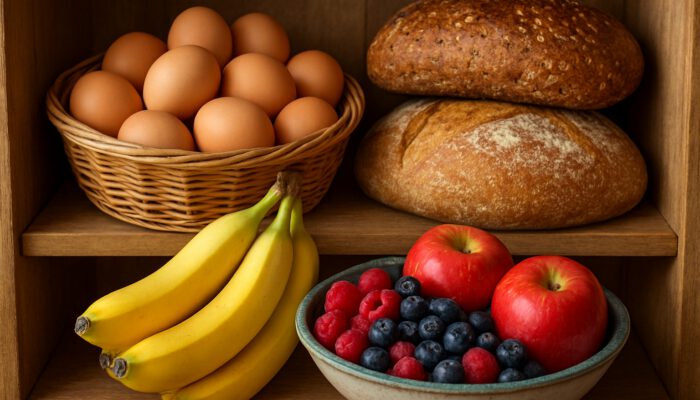

Easy Breakfast Ideas: Maintaining a well-stocked pantry is fundamental for effortlessly preparing delicious breakfasts that require minimal effort and time. Essential ingredients like eggs, bread, and fresh fruit form the cornerstone of countless breakfast options. Eggs are incredibly versatile; whether you choose to scramble, boil, or poach them, they provide a rich source of protein that energises your morning. Different types of bread, such as whole grain and sourdough, can easily be transformed into toast, sandwiches, or even delightful French toast, presenting endless culinary opportunities. Additionally, incorporating fruits like bananas, apples, and berries not only adds natural sweetness but also infuses essential vitamins and minerals, significantly enhancing the nutritional value of your breakfast.
To further diversify your breakfast offerings, consider adding grains like oats and cereals, which can elevate your morning meals significantly. These options are quick to prepare, whether you prefer instant oatmeal or wholesome whole-grain cereals. Dairy products, such as milk and yogurt, contribute a creamy texture to your dishes and serve as excellent sources of calcium. Furthermore, never underestimate the transformative potential of nut butters; they can elevate a simple slice of toast or a smoothie into a satisfying, nutrient-dense meal. By starting your breakfast with these pantry staples, novice cooks can freely explore and discover flavour combinations that cater to their taste preferences without feeling overwhelmed by the process.
How can you select the freshest and most flavourful produce for your meals?
Choosing fresh produce is crucial for enhancing the taste and nutritional quality of your meals. When selecting fruits and vegetables, focus on seasonal items, as they tend to be fresher, tastier, and often more affordable. Seasonal produce is frequently available at local farmers' markets or grocery stores, showcasing the best flavours from your area. For instance, summer typically brings juicy peaches and vibrant berries, while autumn highlights crisp apples and hearty squash, making your breakfasts not only delicious but visually appealing as well.
A practical approach for selecting ripe produce is to assess firmness, colour, and any visible blemishes. For example, ripe avocados should yield slightly under gentle pressure, while bananas develop brown spots as they mature and sweeten. Additionally, consider the growing method: opting for organic produce may provide superior flavour without the chemicals associated with synthetic pesticides. Prioritising fresh produce not only enriches the meals you prepare but also elevates their nutritional profile, ensuring that your breakfasts are both wholesome and enjoyable.
What kitchen tools are essential for efficient breakfast preparation?
Equipping your kitchen with the right tools can greatly simplify breakfast preparation, especially for novice cooks, enabling them to build confidence and refine their culinary skills. A reliable non-stick frying pan is vital for cooking eggs or pancakes without them sticking to the surface. A high-quality toaster provides a swift solution for making toast, while a blender is indispensable for creating smoothies or effortlessly mixing batters.
Accurate measurements are crucial, so having measuring cups and spoons ensures that your recipes yield the desired results. A cutting board paired with a sharp knife makes chopping fruits and vegetables both safe and efficient. Lastly, investing in a mixing bowl is essential for combining ingredients, whether you are preparing oatmeal or pancake batter. With these essential kitchen tools at your disposal, new cooks can explore a variety of breakfast recipes without feeling intimidated, transforming meal preparation into an enjoyable and exciting experience.
What are the most effective strategies for preparing quick breakfast meals?
What steps should you follow to create delicious and satisfying overnight oats?
Creating overnight oats is an excellent strategy for new cooks to enjoy a nutritious breakfast without the morning rush. Begin by selecting a jar or container and filling it with rolled oats, typically following a 1:2 ratio of oats to liquid, such as milk, almond milk, or yogurt. This specific ratio guarantees a creamy and satisfying texture. Next, add your preferred toppings, which might include fruits, nuts, seeds, or natural sweeteners like honey or maple syrup, to enhance both flavour and nutrition.
After mixing all the ingredients, cover the jar and place it in the fridge overnight. By morning, the oats will have absorbed the liquid, resulting in a soft and perfect texture. No cooking is necessary; simply give it a quick stir, and it’s ready to savour. For added variety, consider incorporating ingredients like cocoa powder for a chocolatey twist or spices like cinnamon for an extra kick. Overnight oats not only save valuable time but also provide a wholesome start to your day, packed with essential fibre and protein to keep you energised.
Why should you favour straightforward cooking techniques for breakfast?
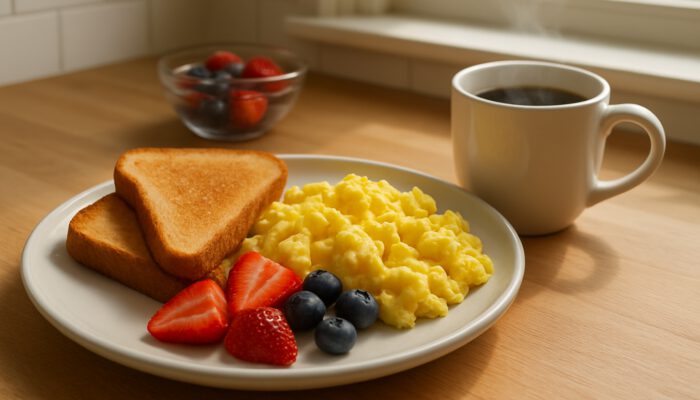
Simple cooking methods are invaluable for new cooks, particularly when preparing breakfast. Techniques such as microwaving and toasting are quick and efficient, allowing for speedy meal preparation without sacrificing flavour or nutrition. For example, microwaving scrambled eggs in a bowl can yield fluffy results in under a minute, making breakfast preparation effortless during busy mornings.
Toasting bread or bagels is another fundamental technique that provides an excellent base for toppings like avocado or peanut butter. The beauty of these uncomplicated methods lies in their minimal cleanup requirements, reducing stress for novice cooks. Moreover, mastering these basic cooking techniques fosters confidence; as new cooks experience quick successes, they are encouraged to experiment further. This positive reinforcement nurtures greater culinary skills and a genuine passion for cooking.
What practical tips can help you manage your breakfast routine effectively?

Effective timing can dramatically enhance breakfast preparation, especially for those with busy schedules—the secret lies in meticulous planning. Consider dedicating a few moments each evening to gather your ingredients and lay out your tools, which can help create a seamless morning routine. For instance, if you plan to prepare overnight oats, make them the night before to ensure you have a quick grab-and-go option in the morning.
Additionally, think about batch cooking during the weekends. Preparing larger quantities of breakfast items, such as muffins or breakfast burritos, can provide convenient options throughout the week. When your meals are prepped and ready to go, your stress levels decrease, making it more likely that you will adhere to healthy eating habits. By establishing a consistent breakfast routine, you will find that meal preparation transforms into a simple, enjoyable part of your daily life.
Explore Expert Tips on Easy Breakfast Ideas for Novice Cooks
What actionable steps can you implement for efficient meal assembly?
When it comes to assembling breakfast, efficiency is paramount. Start by laying out your chosen ingredients on a clean surface to streamline the process. For example, if you're preparing a fruit-and-yogurt parfait, begin by layering your ingredients: start with a base of yogurt, add granola, and top with fruit. This not only creates a visually appealing dish but also ensures that every bite is well-balanced and satisfying.
Here’s a list of essential assembly techniques to consider:
- Layer ingredients in jars for an attractive meal presentation.
- Prep toppings in advance for quick accessibility.
- Incorporate a variety of textures to elevate the eating experience.
- Mix and match spreads on toast, such as avocado and hummus.
- Keep meals colourful with fruits and vegetables to boost nutrition.
- Experiment with different grains to discover your favourite combinations.
- Portion ingredients in advance to expedite meal assembly.
- Creatively incorporate leftovers into breakfast options.
By applying these techniques, new cooks can sharpen their skills while enjoying quick, delectable breakfasts that are easy to prepare and full of flavour.
What are the advantages of maintaining balanced nutrition in breakfast meals?
Incorporating balanced nutrition into your breakfast is essential for sustaining energy levels throughout the day. A well-rounded meal typically includes proteins, carbohydrates, and fats. For instance, pairing eggs (protein) with whole grain toast (carbs) and avocado (healthy fats) provides lasting energy and helps prevent mid-morning slumps, enabling you to stay alert and productive.
Portion control also plays a crucial role in maintaining balanced meals. Using plates or bowls to measure out servings can help manage portion sizes, preventing overeating while ensuring you are adequately nourished. For beginner cooks, this may involve simple calculations or visual cues, such as ensuring that half of your plate consists of fruits and vegetables. Over time, understanding these nutrition principles can lead to improved well-being, supporting both physical health and cognitive function, enhancing your overall quality of life.
How does incorporating variety keep your breakfast routine engaging?
Introducing variety into your breakfast routine is vital for avoiding monotony and maintaining excitement in your meals. Exploring different flavours and textures can transform simple breakfasts into enjoyable culinary experiences. For example, try different spices or herbs in your scrambled eggs for a fresh twist. Adding toppings like nuts or seeds not only enhances flavour but also introduces a delightful crunch that can elevate the overall meal experience.
Variety can also stem from experimenting with various cooking methods. One day, you might opt for a refreshing smoothie, while the next day, you could prepare a warm bowl of oatmeal adorned with fruits and nuts. Engaging with a range of flavours and textures encourages ongoing exploration in the kitchen. This not only keeps breakfast interesting but also promotes improved nutritional diversity, which is essential for overall health and well-being, enhancing your cooking skills and confidence.
What characteristics make a breakfast idea suitable for beginners?
What key features define simple breakfast recipes?
Beginner-friendly breakfast recipes commonly exhibit several characteristics that enhance accessibility. Firstly, they should feature short ingredient lists, allowing newcomers to gather the necessary components without feeling overwhelmed. For instance, a basic smoothie can be made using just fruit, yogurt, and a splash of milk, making it easy for anyone to prepare without extensive culinary knowledge or experience.
Secondly, clear and straightforward cooking instructions are crucial. Recipes that guide cooks through each step in a concise manner can help new cooks feel confident in their abilities. Emphasising fundamental techniques, such as scrambling eggs or toasting bread, lays the groundwork for further culinary exploration. Finally, recipes should yield consistent results every time, fostering a sense of accomplishment and encouraging continued cooking and experimentation in the kitchen, thereby enhancing cooking skills over time.
Why is minimal preparation time crucial for novice cooks?
Minimal preparation time is particularly important for new cooks, especially those balancing busy lifestyles. Breakfast options that can be prepared in five to ten minutes, such as smoothies or overnight oats, increase the likelihood of maintaining a healthy morning routine. When meal preparation is quick and straightforward, it reduces the barriers to healthy eating, making it easier for individuals to indulge in nourishing meals without feeling rushed or stressed.
Moreover, focusing on minimal prep tasks helps build cooking confidence. As new cooks become accustomed to quickly preparing breakfast, they are more likely to experiment with more complex recipes over time, fostering a positive relationship with cooking. This gradual increase in skill encourages a sense of independence in the kitchen, transforming what may have once felt like a chore into an enjoyable activity that contributes to overall well-being.
What common mistakes should you avoid in the kitchen?
New cooks often encounter specific pitfalls that can hinder their culinary journey. One frequent issue is neglecting basic measurements, which can lead to inconsistent results. For example, using too much liquid in pancake batter can create a runny mixture, ruining the dish. To avoid this, always pay close attention to measurement guidelines in recipes, ensuring your meals are prepared accurately.
Another mistake is overlooking food safety, such as failing to store perishable items correctly. Understanding how to handle and store ingredients can prevent foodborne illnesses while ensuring your meals remain fresh and enjoyable. Lastly, new cooks should resist the urge to rush through recipes; taking the time to follow instructions carefully can lead to better outcomes and a more enjoyable cooking experience, ultimately enhancing confidence in the kitchen.
What advantages does using common ingredients offer?
Utilising common ingredients is essential for beginner cooks, as it simplifies the cooking process and minimises the need for extensive shopping trips. Ingredients such as eggs, yogurt, bread, and fruits are staples found in most kitchens, making them readily accessible. This accessibility allows new cooks to focus on learning essential techniques without the stress of sourcing uncommon components.
Additionally, common ingredients provide a sense of familiarity, making it easier to experiment with variations. For instance, substituting berries for bananas in a smoothie does not require a special trip to the store. By concentrating on everyday ingredients, beginners can build their confidence in the kitchen, paving the way for more ambitious culinary experiences in the future while enhancing their overall cooking skills.
Research-Backed Benefits of Popular Easy Breakfast Ideas for New Cooks
How can these breakfast ideas boost your daily energy levels?
Quick breakfast ideas are specifically designed to effectively enhance daily energy levels. Nutrient-dense options like oats, fruits, and eggs provide sustained fuel that can improve focus and vitality throughout the day. Research indicates that meals rich in whole grains and protein can significantly boost concentration and productivity, making them ideal for busy mornings when you need a reliable energy source to kickstart your day.
Here’s a list of energy-boosting ingredients to consider:
- Oats: Provide slow-releasing carbohydrates for sustained energy throughout the morning.
- Fruits: Rich in vitamins and natural sugars for a quick energy boost, perfect for a refreshing start.
- Eggs: High in protein, promoting longer-lasting satiety and keeping hunger at bay.
- nuts: Healthy fats that provide energy and help maintain blood sugar levels, supporting overall health.
- Greek yogurt: Packed with protein and probiotics for gut health, making it a great breakfast option.
- Whole-grain bread: Offers complex carbohydrates for steady energy release, preventing crashes.
- Chia seeds: High in omega-3 fatty acids and fibre to keep you full and satisfied longer.
- Spinach: Nutrient-rich and energising, perfect for smoothies or breakfast scrambles.
Incorporating these ingredients into your breakfast ideas not only boosts energy levels but also supports overall health, which is vital for maintaining an active lifestyle and achieving your daily goals.
What advantages do simple preparation techniques provide?
Data consistently demonstrates that simple preparation techniques significantly enhance adherence to healthy eating habits. Low-effort methods such as smoothies, toast, and overnight oats can be prepared in mere minutes, making them appealing to those managing busy schedules. This simplicity encourages individuals to opt for healthier meals over convenience foods that lack nutritional value and do not support overall well-being.
Moreover, streamlined processes can lead to metabolic benefits. By simplifying breakfast preparation, new cooks are more likely to establish regular eating habits that contribute to their health and wellness. Consistent meals, particularly those high in fibre and protein, can support better metabolism and weight management, ultimately benefiting long-term health. Prioritising easy preparation techniques not only enhances convenience but also fosters healthier lifestyle practices.
How can mastering breakfast ideas influence long-term habits?
Mastering basic breakfast ideas can yield lifelong benefits by establishing positive eating habits. Engaging with simple recipes prepares new cooks for more complex culinary challenges, fostering a sense of achievement and interest in cooking. By consistently preparing uncomplicated breakfasts, individuals are more likely to adopt healthy eating habits, leading to improved overall wellness and a balanced lifestyle that supports their health goals.
Studies emphasise that consistent practice enables individuals to develop a positive relationship with food. As cooking skills strengthen, new cooks may find joy in experimenting with flavours and ingredients, further enhancing their nutritional knowledge and culinary creativity. Over time, these habits translate into long-term health benefits, including a reduced risk of chronic diseases and an improved quality of life that encourages ongoing culinary exploration.
What do evidence-based nutrition profiles reveal about breakfast choices?
Research confirms that easy breakfast ideas offer a balanced mix of macronutrients essential for health and well-being. Meals rich in proteins, carbohydrates, and fats provide the body with the necessary resources to function optimally throughout the day. For instance, incorporating eggs or Greek yogurt offers high-quality protein, while oats and fruits deliver important carbohydrates and fibre, ensuring a well-rounded meal.
Balanced breakfasts have been linked to improved immune function and cognitive health, which is particularly important for beginner cooks establishing nutritious eating patterns. By focusing on these evidence-based nutrition profiles, new cooks can enhance their understanding of dietary needs, contributing to lifelong wellness and healthy habits that support their overall health goals.
How can breakfast choices impact mental health?
Regularly enjoying easy breakfasts can significantly influence mental health. Research highlights connections between nutrient-rich meals and improved mood, as certain foods promote the production of neurotransmitters that regulate emotions. For example, omega-3 fatty acids found in nuts and seeds have been shown to contribute to better mood regulation and emotional resilience, which is essential for maintaining overall mental health.
Moreover, starting the day with a nourishing meal can set a positive tone, reducing stress and anxiety that often accompany busy mornings. By prioritising simple and healthy breakfasts, new cooks establish routines that foster mental resilience and emotional stability. A consistent, healthful breakfast practice not only nourishes the body but also supports emotional well-being, enabling individuals to tackle their day with greater confidence and a positive mindset.
Why Should You Opt for Simple Breakfast Options?
What factors contribute to meal satisfaction in breakfast selections?
Meal satisfaction arises from various aspects, including freshness, flavour, and the overall dining experience. Simple breakfast options often feature fresh ingredients that elevate taste, allowing individuals to enjoy vibrant flavours without unnecessary complexity. For instance, a bowl of fresh fruit topped with yogurt can be both visually appealing and utterly satisfying, providing a delightful start to the day.
Quick results also play a significant role in overall satisfaction. Knowing that you can prepare a nutritious breakfast in under ten minutes creates a sense of accomplishment, motivating individuals to continue cooking meals at home. This positive experience reinforces the idea that cooking can be enjoyable and rewarding, encouraging new cooks to explore further in the kitchen and experiment with different recipes and ingredients.
How can you customise breakfast to suit your preferences?
Customising breakfast options allows new cooks to adapt meals to their individual tastes, making the experience more enjoyable and satisfying. Whether it's adjusting the sweetness of a smoothie with honey or altering the spice level in scrambled eggs, personal touches enhance satisfaction and engagement with the cooking process, making it feel more personal and unique.
Here’s a list of customisation ideas to inspire creativity:
- Add your choice of nuts or seeds for extra crunch and nutrition.
- Change fruit toppings based on what's in season for variety.
- Experiment with different grains, such as quinoa or farro, to discover exciting flavours.
- Adjust portion sizes to meet personal hunger levels for a more satisfying meal.
- Incorporate herbs and spices to elevate flavour profiles, enhancing the overall taste.
- Try alternative milks for unique tastes and textures that suit your preferences.
- Mix in protein powders for an additional energy boost and nutritional enhancement.
- Top with yogurt or cottage cheese for added creaminess and flavour.
By embracing customisation, new cooks can create meals that resonate with their tastes, fostering a deeper interest in cooking and meal preparation, ultimately enhancing their culinary skills and confidence in the kitchen.
What benefits arise from integrating breakfast into your daily routine?
Incorporating easy breakfast ideas into your daily routine encourages consistency, an essential element of habit formation. When meals are quick and uncomplicated, they seamlessly fit into busy schedules, making it easier to maintain a regular eating pattern. This consistency is key to fostering a healthy relationship with food, as individuals become accustomed to nourishing their bodies each morning with nutritious options that support their well-being.
Moreover, routine integration can help minimise stress. Knowing that breakfast can be prepared quickly and effortlessly reduces morning chaos, allowing individuals to start their day calmly and focused. By establishing a healthy breakfast routine, new cooks not only support their physical health but also enhance their overall well-being, inspiring them to approach cooking with enthusiasm and confidence, ultimately transforming their relationship with food.
What are the nutritional advantages of simple breakfast choices?
Opting for simple breakfast selections often leads to meals rich in nutrient-dense ingredients, providing essential vitamins and minerals necessary for optimal health. Ingredients like fresh fruits, whole grains, and low-fat dairy products can significantly enhance nutritional profiles without requiring complex preparation. For example, a bowl of oatmeal topped with fruits and nuts delivers fibre, antioxidants, and healthy fats—all crucial for sustained energy and overall health.
These nutrient-rich meals promote overall well-being, supporting immune function and cognitive performance, which is particularly beneficial for individuals looking to establish healthy eating patterns. By prioritising simple breakfast options, new cooks can maintain balanced diets that contribute to long-term health, ensuring they effectively nourish their bodies without needing elaborate cooking techniques that may deter them from preparing meals.
What time-saving advantages do simple breakfast options provide?
Choosing straightforward breakfast options greatly benefits time management within daily routines. Quick meals that can be prepared in just a few minutes help individuals start their day efficiently, reducing the stress that often accompanies busy mornings. Smoothies, overnight oats, or toasted bread with toppings can be ready in no time, making them ideal for those with packed schedules looking for nutritious yet quick meal solutions.
The efficiency of time-saving breakfasts also facilitates the establishment of consistent, healthy habits. When individuals can prepare meals quickly, they are more likely to adhere to nutritious eating patterns, ultimately leading to better health outcomes. By streamlining breakfast preparation, new cooks can maximise their mornings and free up time for other essential activities, enhancing overall productivity and well-being.
Mastering Fundamental Breakfast Techniques: Essential Tips for Success
What foundational skills are essential for effective cooking?
Building foundational cooking skills is crucial for new cooks, especially in breakfast preparation. Start with scrambling eggs, a simple technique that serves as a gateway to more complex recipes. Learning the fundamentals, such as controlling heat and using the right utensils, sets the stage for greater culinary exploration and confidence in the kitchen.
Another vital skill is mastering basic knife techniques. Understanding how to chop vegetables safely and efficiently enhances meal preparation and builds confidence in the kitchen. Practising these foundational skills allows new cooks to gradually expand their repertoire, from making simple scrambled eggs to creating more intricate breakfast dishes. As they gain proficiency, their confidence will increase, encouraging them to experiment further and explore new culinary horizons.
How does practice lead to improvement in cooking skills?
Consistent practice is essential for refining cooking techniques, especially for beginners. As new cooks repeatedly engage with basic recipes, they develop a deeper understanding of timing, flavour balance, and cooking methods. For example, the more they practise scrambling eggs, the better they become at achieving that perfect fluffiness while ensuring even cooking.
Regular trials also foster resilience. When mistakes occur, such as burning toast or overcooking eggs, new cooks learn valuable lessons from these experiences and make necessary adjustments for future attempts. This iterative process not only enhances their skills but also instils a sense of determination. Over time, practice leads to increased speed and accuracy in meal preparation, ultimately resulting in greater satisfaction and enjoyment in cooking, encouraging ongoing culinary development.
What methods can you use to track your culinary progress effectively?
Tracking progress in cooking can be both motivating and insightful for new cooks. One effective approach is to maintain a cooking journal to document successful recipes, preparation times, and techniques learned. This practice helps in recognising growth and makes it easier to revisit favourite meals while fostering continuous improvement.
Additionally, consider setting specific goals, such as trying a new recipe each week or mastering a particular technique. Celebrating these milestones can boost motivation and encourage further exploration in the kitchen. By reflecting on successes and areas for improvement, new cooks can maintain focus on their culinary journey, fostering a continuous desire to learn and grow while developing their cooking prowess over time.
What essential kitchen tools will enhance your breakfast preparation process?
Equipping yourself with essential kitchen tools can significantly enhance the breakfast cooking experience. A non-stick frying pan is crucial for cooking eggs and pancakes without sticking, while a good-quality blender is invaluable for making smoothies and purees. A sharp knife and cutting board are necessary for slicing fruits and vegetables, while measuring cups and spoons ensure accurate portioning of ingredients for consistent results.
Furthermore, investing in a mixing bowl and whisk can facilitate the preparation of batters and scrambled mixtures. Other helpful tools include a toaster for quick toast and an oven-safe dish for baking breakfast casseroles. By utilising the appropriate tools, new cooks can streamline their preparation process, making breakfast cooking both efficient and enjoyable, ultimately leading to more successful meal outcomes.
What common mistakes should beginners avoid in breakfast cooking?
Recognising common mistakes can significantly enhance the breakfast cooking experience for beginners. One frequent error is rushing through the cooking process, which can lead to overcooked eggs or burnt toast. Taking your time and meticulously following recipes is essential for achieving the best results and ensuring that your meals are both delicious and satisfying.
Additionally, new cooks may overlook the importance of ingredient quality, which can compromise the meal's flavour and nutritional value. Always choose fresh produce and check expiration dates on dairy products to ensure optimal quality. Lastly, many beginners forget about food safety practices, such as properly cleaning utensils and surfaces. By being mindful of these common pitfalls, new cooks can refine their skills and enjoy delicious, satisfying breakfasts without frustration.
FAQs: Common Questions Regarding Breakfast Preparation
What are some easy breakfast ideas for beginners?
Simple breakfast ideas include overnight oats, scrambled eggs, smoothies, avocado toast, and fruit-and-yogurt parfaits. These meals are quick to prepare and packed with nutrition, making them ideal for busy mornings.
How can I speed up my breakfast preparation in the morning?
Prepare meal components the night before, such as overnight oats or smoothie bags. This approach ensures a quick grab-and-go breakfast in the morning without any hassle, simplifying your morning routine.
What are some excellent protein sources for breakfast meals?
Good protein sources include eggs, Greek yogurt, cottage cheese, nut butters, and chia seeds. These options help keep you full and satisfied throughout the morning, supporting your energy levels.
Are there healthy alternatives to traditional breakfast foods?
Yes, alternatives such as oatmeal instead of sugary cereals, smoothies in place of high-calorie pastries, and fresh fruit instead of syrupy toppings can offer healthier options that remain delicious and satisfying.
How can I personalise my breakfast to suit my taste preferences?
You can customise your breakfast by adding different fruits, nuts, and spices, adjusting portion sizes, or swapping ingredients based on personal preferences and dietary needs, making each meal uniquely satisfying.
Why is breakfast considered important for health?
Breakfast is vital as it provides the body with essential nutrients and energy after an overnight fast, helping improve focus, productivity, and overall health throughout the day.
What kitchen tools do I need for quick breakfast preparations?
Essential kitchen tools include a non-stick frying pan, a toaster, a blender, a sharp knife, and measuring cups. These tools facilitate quick and efficient breakfast preparation, making mornings much easier for novice cooks.
Can breakfast be prepared the night before?
Absolutely! Many breakfast options, such as overnight oats or pre-prepared smoothies, can be made in advance, saving time and ensuring a nutritious meal in the morning.
What quick cooking methods are effective for breakfast?
Quick cooking methods include microwaving, toasting, and using a blender. These techniques allow for fast meal preparation while preserving flavour and nutrition, making breakfast enjoyable and hassle-free.
How can I make breakfast a regular part of my daily routine?
By choosing quick, easy breakfast options, planning meals, and incorporating them into your morning routine, you can establish breakfast as a consistent and enjoyable part of your daily life, enhancing your overall health.
Join us on Facebook for the fun!
The post Top Easy Breakfast Ideas for New Cooks: Simple Picks appeared first on https://cookinggods.com
The Article Easy Breakfast Ideas for New Cooks: Simple and Quick Picks Was Found On https://limitsofstrategy.com
The Article Easy Breakfast Ideas: Quick and Simple Picks for Beginners found first on https://electroquench.com