Deepen Your Knowledge of Vital Hormones Crucial for Men’s Health
Discover the Significant Effects of Testosterone on Men’s Health in the UK
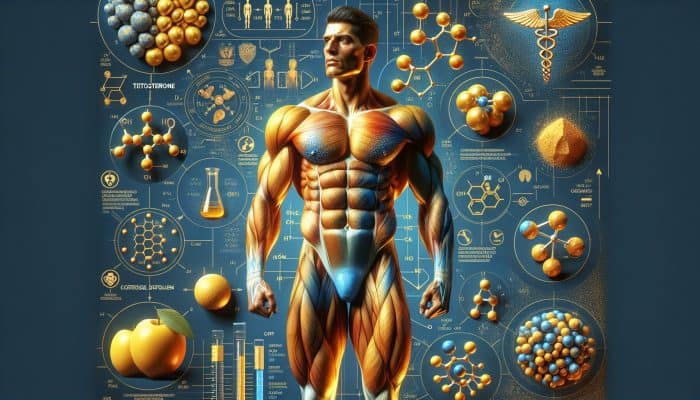
What Hormones Affect Men’s Health: Testosterone is an essential hormone that profoundly impacts overall health and well-being for men throughout the UK. This pivotal hormone is critical for sustaining muscle mass, bolstering energy levels, and influencing mood. According to NHS guidelines, men experiencing low testosterone levels often report a decline in libido, which can have a significant effect on their quality of life. This condition is notably prevalent among older men in England and Wales, many of whom report fatigue and diminished vitality that can impede their daily activities, highlighting the urgent need for awareness and proactive management.
The symptoms associated with low testosterone can present in various forms, including a lack of motivation, episodes of depression, and alterations in body composition. Given the substantial number of men affected by these hormonal deficiencies in the UK, it is vital to recognise the signs early on. Men are strongly encouraged to seek medical advice if they notice these symptoms, as prompt diagnosis and treatment can help restore hormone levels and enhance overall health. This proactive approach significantly enhances vitality, mood, and sexual health, empowering men to participate fully in their everyday activities with renewed energy and enthusiasm.
Examine the Effects of Cortisol on Male Physiology and Health
Cortisol, commonly known as the ‘stress hormone’, plays a crucial role in how men in the UK manage stress and regulate their weight. Elevated cortisol levels are often linked to various lifestyle factors, particularly among those employed in high-pressure jobs in bustling cities like London. When stress triggers increased cortisol production, men may face serious health risks, including weight gain and cardiovascular complications, as highlighted by numerous health studies conducted in Britain. Understanding these dynamics is vital for effective health management.
Chronic stress creates a harmful cycle where elevated cortisol levels contribute to further stress, posing a significant challenge for many men. By comprehending the physiological impacts of cortisol, men can take proactive measures towards healthier stress management practices. Embracing strategies such as regular exercise, meditation, and maintaining good sleep hygiene can effectively lower cortisol levels and enhance overall health outcomes. The importance of cultivating a well-rounded lifestyle cannot be overstated, especially in the fast-paced urban environments typical of many UK cities, where effective stress management is essential for sustaining health and well-being.
Why is Oestrogen Balance Essential for Men’s Health?
Oestrogen, although often associated with female health, is equally vital for male physiology. In the UK, oestrogen plays a significant role in regulating fat distribution and maintaining bone density in men. Hormonal imbalances can lead to serious health repercussions, particularly concerning prostate health, as various surveys conducted in Scotland reveal concerning trends among middle-aged men. Therefore, ensuring appropriate oestrogen levels is crucial for overall health and fitness, contributing to improved metabolic function and emotional stability.
Many men underestimate the importance of oestrogen balance, yet it is a cornerstone of their health. Excessive oestrogen can result in increased fat accumulation and associated health risks, while low levels can negatively influence bone density and mood stability. Experts in the UK recommend regular health assessments to track hormone levels, particularly for those at heightened risk of hormonal imbalances. Prioritising balanced nutrition and making informed lifestyle choices can significantly support optimal oestrogen levels, fostering long-term health benefits and enhancing overall well-being for men.
How Do Hormones Influence Men’s Daily Lives and Activities?
Understand the Role of Thyroid Hormones in Energy Regulation
Thyroid hormones are fundamental in managing metabolism and daily energy levels for men across the UK. Conditions such as hypothyroidism are relatively common, particularly in regions like Northern Ireland, where men may endure symptoms like chronic fatigue and weight gain. These issues can detrimentally affect day-to-day life, diminishing productivity and overall well-being, leaving many men struggling to fulfil their responsibilities and live a rewarding life.
To effectively manage thyroid health, early detection through routine check-ups with a GP is crucial. Men experiencing symptoms such as persistent fatigue, unexpected weight gain, or mood swings should not hesitate to seek medical attention, as a timely diagnosis can facilitate effective treatment and enhance quality of life. Treatment often includes medication to regulate thyroid hormone levels, resulting in significant improvements in energy and overall well-being, empowering men to reclaim their vitality and fully participate in their daily activities.
What Role Does Growth Hormone Play in Ageing for Men?
Growth hormone is essential for muscle repair, growth, and overall vitality among men. As men age, especially in the UK, growth hormone levels naturally diminish, leading to reduced muscle mass and energy levels. Research conducted in Wales indicates that this decline can significantly impact older men’s quality of life, contributing to feelings of exhaustion and diminished physical capacity, thereby underscoring the need for awareness and proactive management.
To counteract the effects of declining growth hormone levels, regular physical activity is crucial. Community gyms and local health initiatives encourage men to engage in resistance training, which helps maintain muscle mass and enhance overall fitness. Additionally, prioritising adequate sleep and recovery is vital for optimising growth hormone levels, as sufficient rest supports the body's natural processes. Here are a few actionable recommendations to consider:
- Engage in consistent strength training exercises.
- Prioritise sleep hygiene for recovery.
- Incorporate high-intensity interval training (HIIT).
- Maintain a balanced diet rich in protein.
- Stay hydrated to support optimal muscle function.
- Manage stress levels through mindfulness techniques.
How Does Adrenaline Facilitate Effective Stress Management?

Adrenaline, or epinephrine, is a hormone that activates the body’s fight-or-flight response, which is essential for managing stress in high-pressure situations. Many men in the UK work in demanding sectors, such as finance, where mastering stress management is crucial for maintaining productivity and health. During moments of heightened stress, adrenaline is released to prepare the body for immediate action; however, prolonged exposure to elevated adrenaline levels can lead to negative health consequences, underscoring the importance of understanding its role.
Understanding adrenaline’s influence in daily life can encourage men to adopt effective stress-management techniques. Mindfulness practices, including meditation and deep-breathing exercises, can significantly alleviate feelings of anxiety and stress, fostering a state of calm. Reports from British psychological associations highlight the importance of integrating these practices into daily routines, as they not only enhance mental health but also help regulate hormonal responses. Men are urged to prioritise their mental well-being, recognising that managing adrenaline levels is vital for achieving a balanced lifestyle and improved health.
Investigate Significant Hormonal Changes Throughout Men’s Lifespan
What is the Prevalence of Hormonal Imbalances in the UK?
Hormonal imbalances pose a significant challenge for many men in the UK, particularly concerning testosterone levels. Expert analyses indicate that a notable percentage of men face testosterone-related issues, with data from English clinics revealing correlations between low testosterone and conditions such as diabetes. Acknowledging the prevalence of these issues is the first step towards raising awareness and encouraging men to seek assistance for their hormonal health, emphasising the necessity for proactive health measures.
Addressing hormonal imbalances requires a holistic approach. Men are advised to consider dietary modifications, such as increasing protein intake and ensuring adequate levels of zinc and vitamin D, while also maintaining a healthy weight. Regular physical activity and lifestyle changes can significantly contribute to achieving hormonal balance, empowering men to take control of their health and mitigate the effects of imbalances. By actively implementing these lifestyle modifications, men can foster better hormonal health and enhance their overall quality of life, leading to increased well-being and vitality.
Effective Strategies for Men to Manage Cortisol Levels
Managing cortisol levels is essential for preventing burnout, particularly among working men in Scotland, where the demands of high-pressure jobs can adversely affect mental and physical health. Research-backed evidence underscores the necessity to implement effective cortisol management strategies to alleviate stress and promote overall well-being. Understanding these strategies is crucial in today’s demanding work environments.
Real-world examples from UK workplace wellness programmes illustrate successful initiatives that assist employees in managing stress. Practices such as structured breaks, wellness workshops focused on mindfulness, and workplace physical activity initiatives have demonstrated significant improvements in employee morale and productivity. Men are encouraged to explore and adopt similar strategies in their own lives, recognising that effective cortisol management not only enhances personal health but also contributes to a healthier work environment, fostering an atmosphere of well-being.
What Advice is Available for Maintaining Thyroid Health?
Thyroid health is critical to overall well-being in men and necessitates regular monitoring through NHS services. Trusted strategies for maintaining thyroid function include proactive health checks and awareness of symptoms associated with thyroid imbalances. In regions such as Wales, dietary habits—especially iodine intake—can significantly influence thyroid health, making it essential to ensure adequate nutrition for all men.
Men should consider including thyroid-friendly foods, such as seaweed, fish, and dairy products, in their diets to maintain sufficient iodine levels. Furthermore, being aware of personal symptoms and tracking them can facilitate early identification of potential thyroid issues. Comprehensive monitoring and dietary awareness help men sustain optimal thyroid function, enhancing energy levels and overall health, ensuring that they can lead active and fulfilling lives.
How Do Growth Hormone Levels Change Throughout Ageing in Men?
Growth hormone levels naturally decline with age, leading to significant implications for muscle mass and energy levels. Evidence from UK longitudinal studies indicates that this decline affects the ageing process, with many older men experiencing reduced vitality and a greater challenge in maintaining physical fitness. Recognising these changes is essential for developing effective strategies to combat their impact.
Expert-recommended routines, such as regular resistance training, can help counteract the effects of declining growth hormone levels. Additionally, optimising sleep patterns and incorporating a balanced diet rich in vitamins and minerals are essential for supporting hormonal health. By focusing on regular exercise and healthy lifestyle choices, men can enhance their vitality and maintain a more youthful appearance as they navigate the ageing process, ultimately leading to improved quality of life.
Gain Expert Insights on the Interaction Between Hormones and Men’s Health
What Signs Indicate Hormonal Imbalances in Men?
Recognising hormonal imbalances is crucial for men who wish to maintain optimal health. Common indicators of low testosterone levels include fatigue, diminished libido, and fluctuations in mood. Surveys from the Midlands suggest that many men in the UK experience such symptoms, often resulting from undiagnosed hormonal issues. Early recognition of these signs is vital for effective intervention and recovery, highlighting the necessity of awareness.
Timely intervention through consultations with UK endocrinologists can significantly aid in restoring hormonal balance. Treatment options may encompass lifestyle changes, medication, or therapy, depending on the specific imbalance identified. Awareness of personal health and the willingness to seek help can lead to enhanced quality of life and well-being for men navigating these hormonal challenges, paving the way for a healthier future.
Recognising Common Symptoms of Low Testosterone Levels in Men
Low testosterone levels can manifest through various symptoms for men in the UK, including persistent fatigue and reduced libido. As highlighted in surveys, numerous men, particularly those in their 40s and beyond, frequently report these symptoms. The ramifications of low testosterone extend beyond physical indicators, as they can also adversely affect mental health, leading to feelings of depression or anxiety, which can further diminish quality of life.
Recognising these symptoms is essential for men who may be experiencing the impacts of hormonal imbalances. Early intervention through consultations with qualified professionals can restore balance and improve overall quality of life. Engaging healthcare providers in discussions about symptoms can facilitate tailored treatment plans that address individual needs. By prioritising hormonal health, men can enhance their physical and mental performance, contributing positively to their everyday lives.
What Symptoms Are Associated with Elevated Cortisol Levels?
Increased cortisol levels can trigger a variety of symptoms in men in the UK. Many urban dwellers, particularly in Manchester, experience issues such as insomnia and heightened anxiety due to the pressures of city life. These symptoms can severely affect overall well-being, creating a cycle of stress that exacerbates health challenges, including cardiovascular problems and immune dysfunction, necessitating a comprehensive understanding of these effects.
Understanding the implications of high cortisol is essential for men seeking to improve their health. Lifestyle modifications, such as incorporating mindfulness practices, adjusting sleep patterns, and engaging in regular physical activity, can significantly aid in managing cortisol levels. British research has linked these lifestyle adjustments to improved sleep quality and overall mental health. By taking proactive measures, men can mitigate the effects of high cortisol and enhance their overall quality of life, ensuring they can thrive amidst challenges.
What Are the Consequences of Imbalanced Growth Hormone Levels?
Growth hormone imbalances can lead to notable physical changes in older men in the UK, particularly affecting strength and vitality. Community health checks in rural areas indicate that many men experience reduced strength and endurance due to growth hormone deficiency. Recognising these symptoms is essential for initiating effective interventions and reclaiming physical health, underscoring the need for awareness and proactive measures.
Addressing growth hormone deficiency can significantly enhance physical function and overall health. Men are encouraged to pursue options such as resistance training, which has been shown to improve muscle strength and restore hormonal balance. Active participation in physical activity, combined with a keen awareness of personal health, enables more effective management of growth hormone levels, supporting health and well-being throughout life.
Discover Research-Backed Insights on Hormones’ Role in Men’s Health
How Do Hormones Contribute to Physical Fitness?
Hormones play a vital role in promoting physical fitness among men in the UK, particularly through the muscle-building effects of testosterone. Numerous studies in British sports medicine highlight the significance of maintaining optimal testosterone levels to enhance strength and endurance. Engaging in regular physical activities, such as sports or gym workouts, can greatly increase testosterone production, leading to improved fitness outcomes and overall physical health.
Understanding the relationship between hormones and physical fitness empowers men to take proactive steps in their health journeys. Participating in outdoor workouts, gymnastics, or team sports can foster not only physical strength but also a sense of community and camaraderie. Such activities encourage men to adopt a more active lifestyle, ultimately improving their health and fitness. By prioritising physical activity, men can harness the benefits of hormone optimisation to enhance their overall well-being and quality of life.
The Connection Between Hormones and Mental Health Stability
Hormones, particularly serotonin, play a crucial role in stabilising mood for men in the UK. Expert insights indicate that hormonal treatments have proven beneficial in addressing mental health challenges, with data from northern regions suggesting lower rates of depression among men receiving hormone therapy. Understanding the link between hormones and mental health is essential for men striving to maintain emotional balance and psychological resilience, highlighting the importance of addressing these issues.
Implementing actionable steps in daily routines can significantly improve overall mental health. Practices such as regular physical exercise, healthy sleep patterns, and maintaining a balanced diet are vital for supporting hormonal stability. Here are some mental health practices to consider:
- Engage in daily physical activity.
- Practice mindfulness meditation.
- Ensure adequate sleep each night.
- Maintain a balanced diet rich in whole foods.
- Connect regularly with friends and family.
- Seek professional assistance when necessary.
By incorporating these practices into their daily lives, men can foster improved mental health and hormonal balance, leading to overall well-being and enhanced quality of life, ensuring they remain resilient and thriving.
Long-Term Health Benefits of Maintaining Hormonal Balance
Maintaining hormonal balance provides numerous long-term health advantages for men in the UK, including enhanced immunity and improved physical health. Longitudinal studies in England have demonstrated the benefits men experience from actively managing their hormone levels. This proactive approach can lead to significant improvements in overall health outcomes and reduce the risk of chronic illnesses, ensuring a better quality of life and longevity.
Real-world examples from patient success stories in the NHS demonstrate the transformative impact of achieving hormonal balance. Men who have made lifestyle changes, such as dietary modifications and regular physical activity, report increased energy, improved mental clarity, and better emotional well-being. Focusing on maintaining a balanced lifestyle can yield substantial returns in health and longevity, contributing to a more fulfilling life for men as they navigate their health journeys.
Understanding the Relationship Between Hormones and Sexual Health
The connection between hormones and sexual health is undeniable, particularly regarding testosterone and its effects on sexual function in men throughout the UK. Studies conducted by British endocrinology societies have demonstrated that improved testosterone levels correlate with heightened libido and better sexual performance. Understanding this connection enables men to pursue appropriate treatments for hormonal deficiencies, which can significantly enhance their intimate relationships and overall satisfaction.
In addition to hormone therapy, lifestyle changes play a crucial role in optimising sexual health. Maintaining a balanced diet, engaging in regular physical exercise, and managing stress levels all contribute positively to hormonal health. Men are encouraged to explore holistic approaches alongside medical treatments, as these combined efforts can lead to substantial improvements in sexual health and satisfaction, reinforcing the importance of a comprehensive approach to well-being.
Explore Available Hormonal Treatments for Men in the UK
Discover Common Therapies for Hormone Deficiencies
In the UK, men experiencing hormone deficiencies, particularly low testosterone, have access to a variety of therapies through GP prescriptions. These treatments aim to alleviate issues such as low energy and reduced quality of life. Adhering to NICE guidelines ensures these therapies are safe and effective for patients, providing a structured approach to management and recovery tailored to individual needs.
Common therapies include testosterone replacement therapy (TRT), which can be administered via injections, patches, or gels. These options provide flexibility based on individual preferences and clinical recommendations, ensuring that men have access to the most suitable treatment for their circumstances. Engaging in discussions with healthcare providers about the best course of action is crucial for men seeking to address hormone deficiencies effectively and enhance their overall well-being.
Accessing Effective Cortisol Management Options
Men in the UK seeking to manage cortisol levels effectively can access a variety of therapies at private clinics, particularly in London. These options are tailored to address stress-related issues and provide a holistic approach to cortisol management. Recommendations from British therapists often include counselling, cognitive behavioural therapy, and lifestyle coaching to assist men in coping with stressors and enhancing overall mental health and resilience.
Comprehending the significance of mental health in managing cortisol levels empowers men to seek appropriate interventions actively. Many clinics offer tailored programmes to support a comprehensive approach to well-being, ensuring men have access to the tools and support systems needed for effective stress management and emotional resilience, ultimately leading to a healthier lifestyle.
Methods for Growth Hormone Replacement Therapy
For men in the UK experiencing age-related declines in growth hormone levels, various replacement methods are available. Commonly, these treatments involve injections that have demonstrated effectiveness in restoring growth hormone levels, particularly in trials conducted in Scotland. Understanding the available options enables men to take informed measures to combat the effects of ageing and support their physical health, ensuring they can maintain vitality.
Consulting healthcare professionals is essential to determine the most suitable growth hormone replacement strategy. Tailoring treatment to individual needs helps men achieve optimal results, thereby significantly enhancing their quality of life as they age and maintain their vitality, ensuring they can lead active and fulfilling lives.
Thyroid Hormone Therapies Available for Men
Men diagnosed with hypothyroidism in the UK can access thyroid hormone replacements through NHS prescriptions. These treatments play an essential role in restoring energy levels and effectively managing weight, addressing the symptoms associated with thyroid dysfunction. Adhering to the British Thyroid Foundation’s guidelines ensures men receive safe, effective treatment for their thyroid health and overall well-being, making it easier for them to manage their conditions.
Regular follow-ups with healthcare providers are crucial for monitoring progress and adjusting treatments as necessary. By maintaining open communication with medical professionals, men can optimise their thyroid hormone levels, leading to enhanced energy, vitality, and overall health outcomes that contribute to a better quality of life and well-being.
How Do Environmental Factors Influence Men’s Hormones?
Understanding the Effect of Diet on Hormonal Levels
Dietary habits in the UK significantly affect hormone levels, particularly concerning insulin and testosterone. High-sugar diets prevalent in England can adversely influence hormonal balance, leading to various health issues such as metabolic syndrome and increased risk of diabetes. Understanding the connection between diet and hormonal health empowers men to make conscious choices that promote their well-being and longevity, ensuring they can maintain optimal health.
Incorporating balanced meals rich in whole foods, fruits, and vegetables can help mitigate the negative effects of poor dietary choices. British nutritionists recommend a diet low in processed sugars and high in fibres, proteins, and healthy fats to support optimal hormonal function and metabolic health. Men are encouraged to prioritise their nutritional habits as a foundational aspect of maintaining hormonal health and overall vitality, thereby improving their quality of life.
Recognising Lifestyle Influences on Adrenal Health
Various lifestyle choices can disrupt adrenal hormones in UK men, particularly factors such as inadequate sleep and chronic stress. Urban settings exacerbate these concerns, increasing the likelihood of adrenal fatigue and elevated cortisol levels. Recognising the significance of adrenal health encourages men to adopt healthier lifestyle practices that support hormonal balance, ultimately leading to better health outcomes.
Experts recommend prioritising sleep hygiene, engaging in regular physical activity, and utilising stress-management techniques. By implementing these lifestyle adjustments, men can promote adrenal health, leading to improved hormonal balance and overall well-being. It is vital to create an environment conducive to health, allowing for better hormone regulation and emotional resilience, ensuring men can thrive amidst the challenges of modern living.
How Does Exercise Impact Hormonal Regulation?
Regular exercise plays a pivotal role in regulating hormones for men, especially those in sedentary jobs. Engaging in physical activity not only helps reduce stress but also enhances hormonal balance, promoting overall health. British associations recommend incorporating regular workouts into daily routines to support optimal hormonal function and well-being, leading to improved health outcomes.
Men can benefit from exploring various exercise routines, such as:
- Weightlifting for building strength and muscle mass.
- Cardiovascular activities like running or cycling for heart health.
- Yoga for improving flexibility and reducing stress levels.
- Group sports for fostering social engagement and teamwork.
- Interval training for boosting metabolism and endurance.
- Outdoor activities, such as hiking, can help enhance mental clarity and connection to nature.
By making exercise an integral part of their daily lives, men can improve their hormonal health and decrease the risks associated with sedentary lifestyles, leading to better overall health outcomes and quality of life.
What Role Does Pollution Play in Disrupting Hormonal Balance?
Air pollution in UK cities, such as London, presents significant risks to hormonal health. Exposure to harmful chemicals can disrupt testosterone and other hormone levels, potentially leading to long-term health complications for men such as infertility and metabolic disorders. Understanding these environmental threats empowers men to take proactive measures to safeguard their hormonal balance and overall health, ensuring they can thrive in their environments.
British environmental health guidelines recommend practical strategies, such as using indoor air purifiers and reducing outdoor exposure on high-pollution days. Being aware of one’s environment allows men to take charge of their health and mitigate the adverse effects of pollution on hormonal function and mental health, ultimately leading to improved well-being.
How Do Climate and Weather Affect Hormonal Balance?
Variable weather patterns in the UK, including frequent rain and cold snaps, can also influence men’s hormone production. These fluctuations may impact mood and energy, thereby underscoring the need to be prepared for seasonal changes. Recognising these impacts encourages men to adopt strategies to maintain hormonal stability year-round, ensuring they can remain healthy and active.
Experts from British meteorological and health services recommend seasonal adjustments in clothing and activities, such as incorporating outdoor exercise during milder weather and ensuring sufficient light exposure during darker months. By being mindful of weather impacts, men can better manage their hormonal health and overall well-being throughout the seasons, promoting a balanced lifestyle.
Implement Preventive Strategies to Enhance Hormonal Health in Men
Why Routine Hormonal Checks are Essential for Early Detection?
Regular hormonal checks are vital for the early detection of potential health issues, particularly for older men in the UK. Annual screenings through the NHS can help identify hormonal imbalances before they escalate, providing men with the opportunity for timely intervention and treatment that can significantly enhance their health outcomes.
By prioritising routine health checks, men can proactively manage their hormonal health. This approach not only facilitates early identification of issues but also promotes dialogue with healthcare providers about lifestyle choices and potential treatments. Maintaining awareness of one’s health empowers men to take charge of their well-being and ensure a healthier future, ultimately leading to improved quality of life.
Nutritional Approaches That Support Hormonal Health
In the UK, nutritional strategies are pivotal in enhancing men’s hormonal health. Diets rich in local produce, whole grains, and healthy fats support hormone balance, while refined sugars and processed foods can disrupt hormonal function and lead to various health issues. Understanding the importance of nutrition empowers men to make informed dietary choices that contribute to their overall health and well-being.
British nutritionists advocate focusing on foods rich in specific nutrients, such as zinc and omega-3 fatty acids, which are known for supporting hormonal health and metabolic function. Incorporating a variety of fruits, vegetables, whole grains, and lean proteins can help improve hormonal balance and overall well-being. By prioritising nutrition, men can significantly boost their hormonal health and vitality, contributing to a healthier and more active lifestyle.
Implementing Effective Stress-Reduction Techniques for Hormonal Balance
Utilising effective stress-reduction techniques is essential for maintaining hormonal balance in men. Studies from English universities indicate that practices such as meditation and mindfulness can significantly lower cortisol levels, promoting better overall health and emotional stability. Recognising the importance of mental well-being empowers men to adopt strategies that enhance their hormonal health and resilience, ultimately leading to improved quality of life.
Consistent practice of these techniques, coupled with physical activity and prioritising self-care, yields long-term benefits for hormonal stability and mental health. Men are encouraged to explore various methods that resonate with them, ensuring that stress management becomes an integral part of their daily routine and lifestyle, leading to a more balanced and fulfilling life.
FAQs About Hormonal Health in Men
Which hormones are crucial for men’s health?
In men, key hormones such as testosterone, cortisol, oestrogen, and thyroid hormones are vital, influencing everything from muscle mass to mood and energy levels, highlighting their importance in overall health.
How can low testosterone levels affect men?
Low testosterone can lead to fatigue, reduced libido, mood changes, and decreased muscle mass, significantly impacting a man’s overall quality of life and emotional well-being, necessitating awareness and management.
What are common symptoms of high cortisol levels?
Symptoms of elevated cortisol levels can include insomnia, weight gain, heightened anxiety, and persistent tiredness, often stemming from chronic stress and emotional strain, which require attention and management.
How does diet affect hormonal balance in men?
A balanced diet rich in whole foods and low in processed sugars helps maintain hormonal balance, while unhealthy eating habits can lead to imbalances and related health issues, underscoring the importance of nutrition.
What lifestyle changes can improve hormonal health?
Incorporating regular exercise, managing stress through mindfulness, and ensuring adequate sleep are essential lifestyle changes that can enhance hormonal health in men and improve overall vitality, promoting better health outcomes.
What are some signs of thyroid issues in men?
Signs of thyroid issues may include fatigue, weight changes, mood fluctuations, and changes in skin and hair health, which warrant medical attention for diagnosis and treatment, ensuring optimal health.
How can men manage stress-related cortisol levels?
Managing stress-related cortisol levels can involve techniques such as mindfulness, regular physical activity, and establishing a supportive social network to promote emotional well-being and resilience.
What are the implications of hormonal imbalances on mental health?
Hormonal imbalances can lead to mood swings, increased anxiety, and depression, significantly affecting a man’s mental health and quality of life, necessitating awareness and proactive measures.
How do men access hormone replacement therapy in the UK?
Men can access hormone replacement therapy through GP prescriptions, following guidelines set by healthcare authorities to ensure safe and effective treatment options, promoting better hormonal health.
Why is regular screening for hormone levels important?
Regular screening for hormone levels is crucial for early detection of imbalances, enabling timely intervention and management strategies to support overall health and well-being, ensuring better health outcomes.
Connect with us on Facebook!
This Article Was First Found On https://bloodtest.co.uk
The Article Hormones Affecting Men’s Health: Key Insights You Need Was Found On https://limitsofstrategy.com
The Article Hormones and Men’s Health: Essential Insights to Know found first on https://electroquench.com