Unlock Your Financial Potential with Debt Consolidation Strategies
What Is Debt Consolidation and How Does It Work Effectively?
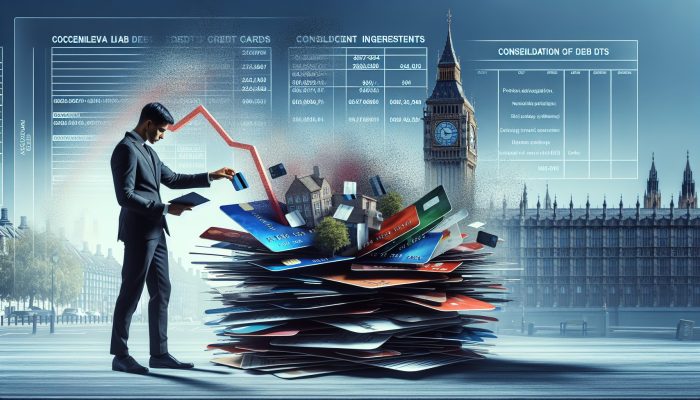
Debt consolidation is a strategic financial tool designed to simplify the management of multiple debts by merging them into a single loan. In the UK, a variety of lenders provide this service, empowering individuals to take control of their financial obligations. For example, someone struggling with multiple credit card debts, personal loans, or an overdraft can utilise a consolidation loan to combine these financial obligations into one manageable monthly payment. This approach not only has the potential to reduce overall interest rates, but also creates a clear repayment plan. Imagine a UK resident managing three credit cards, each with high-interest rates. By consolidating these debts into one loan with a lower interest rate, they can streamline their payment schedule and potentially lower their monthly outgoings, significantly improving their financial wellbeing and stability.
What Key Eligibility Requirements Must Be Met for Debt Consolidation?
To successfully secure debt consolidation in the UK, applicants must meet specific eligibility criteria. Lenders primarily assess the applicant’s credit history, as previous defaults or poor credit ratings can pose significant challenges. Creditworthiness is evaluated through comprehensive credit reports, which detail past borrowing behaviours and repayment histories. Furthermore, applicants should provide proof of income to demonstrate their ability to fulfil repayment obligations. Acceptable forms of income verification include payslips, bank statements, or tax returns. Additionally, having stable employment or a reliable income source is essential. As a preliminary step, potential applicants should carefully review their credit reports and evaluate their financial situations to gain a clear understanding of their standing before approaching lenders for consolidation.
Which Types of Debts Are Most Commonly Consolidated?
In the landscape of debt consolidation in the UK, a wide variety of debts can be integrated into the process. The most commonly consolidated debts include credit card balances, personal loans, and several types of unsecured loans. Credit cards often carry high-interest rates that can escalate quickly, making them prime candidates for consolidation. Personal loans, despite varying interest rates, can also be consolidated for easier management. Additionally, debts such as store cards or payday loans frequently come with steep fees and high-interest rates, making consolidation a beneficial strategy. By consolidating these different debts, individuals can enjoy lower interest rates and reduced monthly payments, alleviating their financial burdens and facilitating better cash flow management.
Follow This Step-by-Step Process for Successful Debt Consolidation
What Are the Essential Steps to Apply for Debt Consolidation?
The application process for debt consolidation in the UK typically begins with a detailed assessment of one’s financial landscape. This initial stage involves gathering all relevant documentation, such as information on existing debts and proof of income. Individuals should seek lenders or financial advisors who specialise in debt consolidation, as these professionals can guide applicants through the application process, making the necessary paperwork more manageable. After submitting the application, lenders will conduct assessments, including credit checks and evaluations of income stability. While approval times can vary, applicants can generally expect to receive feedback within a few days to weeks. Once approved, funds from the new loan are usually disbursed directly to creditors, effectively settling outstanding debts and establishing a more sustainable repayment plan.
How Does Debt Consolidation Affect My Credit Score in the Long Run?
Debt consolidation can have nuanced effects on an individual’s credit score within the UK. Initially, applying for a consolidation loan might result in a minor dip in credit scores due to hard inquiries made by lenders. However, as repayments commence and if the borrower adheres to a schedule of timely payments, their credit score can gradually improve. This positive trend occurs because consolidation often leads to lower credit utilisation rates and a more manageable repayment history. By consistently making payments on the new loan, borrowers can demonstrate responsible borrowing behaviour, which is a vital component in credit scoring. Therefore, while applicants may experience a temporary decrease in their credit score, effective debt management following consolidation can yield significant long-term improvements in their credit profiles.
Why Is Debt Consolidation a Popular Financial Solution Among Individuals?

Individuals often prefer debt consolidation over other debt solutions in the UK as they strive for long-term financial stability and reduced stress levels. A significant advantage of this approach is the simplification of financial management; having a single monthly payment greatly diminishes the complexity associated with juggling multiple debts. Moreover, debt consolidation frequently leads to lower interest rates compared to alternatives like payday loans or credit cards. This reduction in costs can free up valuable cash flow, enabling individuals to allocate funds towards savings or other essential expenses. Additionally, consolidating debt can provide access to professional financial advice, equipping borrowers with enhanced budgeting strategies and comprehensive financial plans. Overall, this approach fosters a more organised financial life, promoting improved financial literacy and decision-making capabilities.
Deep Dive into Debt Consolidation for Those with Defaults
How Do Defaults Influence Approval for Debt Consolidation Loans?
Defaults can significantly influence the approval process for debt consolidation applications in the UK. Lenders often view defaults as a major concern, raising doubts about an applicant’s reliability in making timely repayments. However, it’s important to understand that having defaults does not automatically disqualify an individual from obtaining a consolidation loan. Many lenders offer specialised products tailored for those with poor credit histories, although these options might come with higher interest rates. To counteract the risks associated with defaults, individuals can take proactive steps, such as improving their credit scores before applying. This could involve paying off smaller outstanding debts or ensuring that existing bills are paid promptly. For example, a case study may illustrate a borrower who, despite having prior defaults, successfully secured a consolidation loan by demonstrating improved financial habits over several months.
What Essential Documentation Is Required for Debt Consolidation?
When applying for debt consolidation in the UK, particularly when defaults are present, specific documentation is crucial. Applicants should be prepared to provide proof of income, which may include recent payslips, tax returns, or bank statements that confirm their earnings and demonstrate their ability to repay the loan. Additionally, lenders might require a detailed list of existing debts, outlining the amounts owed and the respective creditor information. This documentation allows lenders to effectively evaluate the applicant’s financial situation and repayment capabilities. Furthermore, identification documents such as passports or driving licences may also be required for verification purposes. Completing this documentation accurately is essential to enhance the chances of loan approval, especially for those with a history of defaults.
Can Debt Consolidation Help in Settling Old Debts?
Debt consolidation can indeed act as a valuable strategy in eliminating old debts, particularly those that have defaulted. By consolidating debts, individuals can negotiate more favourable repayment terms with creditors and potentially settle outstanding balances at lower rates. This process typically involves working with a financial advisor who can facilitate negotiations with creditors, aiming for reduced settlements in exchange for quicker payments. Effective consolidation not only simplifies the repayment of existing debts but also establishes a clear pathway towards achieving a debt-free status. For instance, a borrower may consolidate multiple defaults into a single loan, allowing them to settle their debts more efficiently while also negotiating lower overall repayment amounts with individual creditors. This proactive approach empowers borrowers to regain control over their financial situations and start the journey of rebuilding their credit histories.
Understanding the Benefits of Debt Consolidation
How Does Debt Consolidation Simplify Financial Management?
Debt consolidation provides a myriad of advantages that can significantly streamline financial management for individuals in the UK. By consolidating several debts into a single loan, consumers can simplify their monthly payments, making budgeting and expenditure monitoring much more straightforward. This simplification greatly alleviates stress, as managing one monthly payment is inherently less complicated than juggling multiple obligations. Moreover, debt consolidation often results in lower overall interest rates, which can ease the financial burden on a monthly basis. For example, if an individual previously held multiple credit cards with varying rates, consolidating these into one loan with a lower fixed interest rate may yield considerable savings over time. This not only enhances cash flow but also provides a clearer picture of one’s financial landscape, facilitating more effective planning and budgeting.
What Types of Savings Can I Anticipate from Debt Consolidation?
Debt consolidation can lead to an array of savings that may significantly enhance an individual’s financial health. Key savings include:
- Lower interest rates: Reduced rates can lead to substantial savings on monthly payments.
- Fewer fees: Consolidation often decreases or eliminates certain bank fees associated with managing multiple accounts.
- Improved credit scores: As debts are managed more effectively, credit scores can improve over time, potentially lowering future borrowing costs.
- More predictable payments: A unified payment structure can enhance budgeting accuracy.
- Reduced stress: Simplified financial management can lead to decreased anxiety regarding debt.
- Potentially lower monthly payments: This can free up cash for other essential expenses or savings.
- Access to professional financial advice: Many lenders offer consultations that can enhance overall financial literacy.
- Time savings: Managing one loan is significantly less time-consuming than dealing with multiple creditors.
These savings can provide individuals with enhanced financial flexibility, allowing them to focus on building wealth rather than merely servicing existing debt.
Is Debt Consolidation Suitable for Everyone, or Are There Exceptions?
While debt consolidation offers numerous benefits, it is not a one-size-fits-all solution. Several factors need to be considered to determine its suitability. For individuals burdened with high levels of unsecured debt and a stable income, consolidation may be advantageous. Conversely, those with significant secured debts or insufficient income may find consolidation inadequate for resolving their financial challenges. Furthermore, individuals prone to poor spending habits may inadvertently worsen their financial situations if they do not address underlying issues. Therefore, it is vital for potential applicants to thoroughly assess their specific financial circumstances, including debt levels and lifestyle choices, and to consult with financial advisors for personalised guidance. This careful evaluation allows individuals to make informed decisions about whether debt consolidation aligns with their overall financial objectives.
Effective Strategies to Secure Debt Consolidation with Defaults
What Options Remain If My Application Is Denied?
If a debt consolidation application is rejected due to defaults, numerous alternative solutions are available for individuals seeking debt relief in the UK. One viable option is entering a debt management plan (DMP), where a financial advisor negotiates with creditors to develop manageable repayment schedules. This structured approach allows for the repayment of debts without necessitating a formal loan. Another alternative is an individual voluntary arrangement (IVA), which is a legally binding agreement enabling individuals to repay a portion of their debts over a specified period. For those with substantial debts, bankruptcy may also be a consideration, although it carries serious implications that warrant careful assessment. Ultimately, seeking guidance from a qualified financial advisor can help individuals explore viable pathways and choose the most appropriate strategy based on their unique financial circumstances.
How Can I Enhance My Debt Consolidation Application?
To bolster a debt consolidation application in the UK, particularly for those with a history of defaults, several strategies can be implemented. Firstly, prospective applicants should focus on improving their credit scores before submitting their applications. This may involve settling smaller debts or rectifying inaccuracies found in their credit reports. Additionally, demonstrating a stable income through consistent employment or savings can significantly strengthen an application. Creating a detailed budget that illustrates an ability to meet repayment obligations is also beneficial. Furthermore, gathering all necessary documentation, such as proof of income, existing debts, and identification, ensures a comprehensive application. Consulting with financial advisors can provide further insights into crafting a compelling application, ultimately increasing the likelihood of approval despite a history of defaults.
When Is It Appropriate to Seek Professional Financial Guidance?
Consulting professionals regarding debt issues is a crucial step for anyone experiencing financial difficulties in the UK. Individuals should seek advice as soon as they encounter challenges in meeting their financial obligations. Early intervention can prevent debt from escalating and offers opportunities to explore various debt solutions. Timing is critical; waiting until debts become unmanageable can limit options and worsen financial strain. Professional advisors can provide tailored guidance on debt consolidation, DMPs, or even bankruptcy, ensuring individuals understand their choices fully. Moreover, seeking advice not only clarifies available options but also equips individuals with budgeting strategies and financial planning tools to navigate their situations effectively.
Identifying Potential Risks Associated with Debt Consolidation
How Can Fees Accumulate During the Debt Consolidation Process?
When considering debt consolidation in the UK, it is crucial to be aware of potential hidden fees that may accumulate throughout the process. While many lenders promote low-interest rates, additional charges can arise from application fees, arrangement fees, or penalties for early repayment. These costs can significantly affect the overall affordability of the loan and diminish the expected savings. It is essential for individuals to meticulously review the terms and conditions of any consolidation loan and to inquire about all applicable fees prior to finalising an agreement. By doing so, borrowers can avoid unpleasant surprises and ensure that their debt management strategy aligns with their financial capabilities.
What Are the Consequences of Missing Payments on a Consolidation Loan?
Failing to make payments on consolidated debts can lead to serious repercussions in the UK. Primarily, late or missed payments can negatively impact an individual’s credit score, complicating future borrowing opportunities. Lenders may impose additional charges for late payments, increasing the total cost of the loan. Moreover, repeated missed payments could provoke legal actions from creditors, including court appearances to recover owed amounts. For individuals struggling to meet payment obligations, it is advisable to maintain open communication with lenders to explore potential solutions, such as restructuring the payment plan or seeking temporary relief options. Proactive communication can often mitigate the negative consequences associated with missed payments.
Can Debt Consolidation Result in Accumulating Additional Debt?
While debt consolidation can provide significant relief, certain circumstances may lead to increased debt if not managed carefully. Key situations to be cautious of include:
- Taking on further high-interest loans following consolidation.
- Failing to adjust spending habits, which can lead to new debts.
- Utilising available credit limits on accounts that were previously consolidated.
- Neglecting the importance of budgeting and financial planning.
- Underestimating the total cost of the consolidation loan, including additional fees.
- Relying on consolidation as a quick fix without addressing underlying financial behaviours.
- Not seeking professional advice, which can lead to poor decision-making.
- Overextending financially by borrowing beyond one’s means.
Recognising these risks and actively managing finances can help individuals avoid falling back into more debt after consolidation.
How Could Changes in Interest Rates Influence My Debt Situation?
In the UK, many debt consolidation loans feature variable interest rates, meaning that shifts in the broader economic landscape can directly affect repayment amounts. If the Bank of England raises interest rates, borrowers may experience an increase in their monthly payments, leading to greater financial strain. This scenario can create challenges for individuals whose budgets do not accommodate such fluctuations. It is essential for borrowers to consider the potential for rising rates when evaluating their debt consolidation options and to budget accordingly. Consulting with financial advisors can provide valuable insights into fixed-rate options or strategies to mitigate risks associated with rising interest rates, ultimately safeguarding long-term financial stability.
Key Considerations After Completing Debt Consolidation
How Can I Effectively Monitor My Progress Following Consolidation?
Monitoring progress after debt consolidation is crucial for maintaining financial health in the UK. Individuals should regularly review their consolidated loan statements and track monthly payments to ensure they remain on schedule. Setting reminders for payment dates can help prevent any lapses that might adversely impact credit scores. Additionally, conducting periodic assessments of overall financial health, including income and expenses, allows individuals to make necessary adjustments to their budgets. Monitoring credit reports for improvements can serve as a motivational tool, showcasing progress made over time. Engaging with financial advisors for ongoing support can further enhance monitoring efforts, ensuring individuals stay accountable and focused on their financial goals.
What Long-Term Effects Should I Be Mindful Of After Consolidation?
The long-term implications of debt consolidation on finances in the UK can be significant. A successful consolidation can lead to improved credit profiles over time, as individuals display responsible repayment habits. This improvement can open doors to better credit opportunities, such as securing lower interest rates on future loans or credit cards. Furthermore, maintaining a disciplined approach to budgeting can foster healthier financial habits that extend beyond the consolidation process. Over time, individuals are likely to experience reduced financial stress and greater control over their finances, contributing to enhanced overall wellbeing. Establishing a solid financial foundation post-consolidation can pave the way for future financial success and stability.
Essential Tips for Achieving Successful Debt Consolidation Outcomes
- Thoroughly assess your financial situation before applying for consolidation.
- Maintain a disciplined budget post-consolidation to avoid new debts.
- Seek professional advice to clarify your options and strategies.
- Stay informed about your credit reports and scores to monitor progress.
- Communicate openly with lenders to negotiate better terms if necessary.
- Regularly review your financial goals and adjust your plans as needed.
- Consider fixed-rate loans to mitigate risks associated with variable rates.
- Engage in financial education to enhance decision-making skills.
By following these recommendations, individuals can maximise the benefits of debt consolidation, ensuring that they not only resolve their current debts but also lay the groundwork for a secure financial future.
How to Manage Potential Risks Associated with Debt Consolidation?
Engaging in debt consolidation in the UK involves inherent risks that must be assessed carefully. These risks include the possibility of higher interest rates, particularly for individuals with past defaults, and the chance of increased borrowing if underlying financial habits are not addressed. It is essential for individuals to thoroughly evaluate their financial circumstances prior to committing to a consolidation loan. Regular monitoring of accounts is crucial, as it enables borrowers to identify any emerging issues early on. Consulting a professional financial advisor can provide invaluable insights and aid in developing strategies to mitigate these risks, ultimately ensuring long-term financial stability and promoting responsible debt management.
Why Is It Crucial to Maintain a Budget After Consolidation?
Upon finalising debt consolidation, adhering to a disciplined budget becomes paramount. Maintaining a budget helps individuals avoid the pitfalls associated with accumulating new debts and ensures ongoing financial health. This involves diligently tracking expenditures, establishing realistic financial goals, and periodically reviewing progress to stay on course. Creating a clear budget not only facilitates improved financial management but also reinforces positive habits developed during the consolidation process. Collaborating with financial advisors for regular reviews can yield valuable insights and adjustments, ensuring that individuals remain committed to their financial wellbeing over the long term.
Frequently Asked Questions About Debt Consolidation
Can I Qualify for Debt Consolidation if I Have Defaults?
Yes, it is indeed possible to qualify for debt consolidation even if you have defaults; however, this may result in higher interest rates or more stringent terms.
What Types of Debts Can Be Consolidated?
Common debts suitable for consolidation include credit cards, personal loans, and certain utility bills, which help streamline payment processes.
How Does Debt Consolidation Influence My Credit Score?
Initially, applying for consolidation may lead to a slight decrease in your credit score, yet timely repayments can facilitate improvements over time.
What Is the Typical Interest Rate for Debt Consolidation Loans?
Interest rates vary widely based on credit history, but they generally range from approximately 5% to 20% in the UK.
Is There a Limit to How Much Debt I Can Consolidate?
Yes, most lenders impose limits based on income and creditworthiness, so it is crucial to discuss specific amounts with them.
Can I Continue Using My Credit Cards After Consolidation?
Yes, you can continue using credit cards; however, it is advisable to avoid accumulating new debts until your finances stabilise.
How Long Does the Debt Consolidation Process Take?
The process can take anywhere from a few days to several weeks, depending on the lender and the complexity of your financial situation.
What Happens If I Miss Payments on a Consolidation Loan?
Missing payments can adversely affect your credit score and may result in additional fees or legal actions from lenders.
Are There Any Fees Associated with Debt Consolidation?
Yes, potential fees can include application fees, arrangement fees, and early repayment penalties, making it essential to review the loan terms meticulously.
Do I Need a Good Credit Score to Obtain Debt Consolidation?
While having a good credit score is advantageous, many lenders provide loans specifically for individuals with poor credit histories or defaults.
Connect with us on Facebook!
This Article Was First Found On: https://www.debtconsolidationloans.co.uk
The Article Debt Consolidation with Defaults: Your Expert Guide Was Found On https://limitsofstrategy.com
The Article Debt Consolidation with Defaults: Expert Insights for You found first on https://electroquench.com