Mastering Fish Anatomy: Your Essential Guide to Efficient Deboning Techniques
What Are the Complexities of Fish Bone Anatomy?
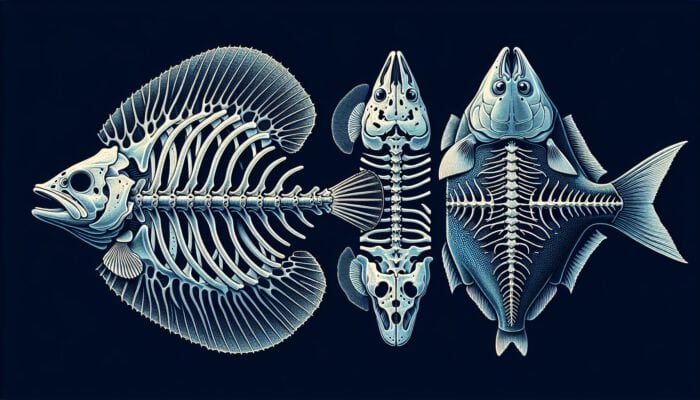
Grasping the complexities of fish anatomy is absolutely crucial for executing proficient deboning techniques effectively. The structures of fish skeletons can differ remarkably between species, showcasing distinct arrangements of spines and ribs that connect effortlessly to the surrounding flesh. For instance, flat fish such as flounder feature a flattened skeletal structure, while round fish like salmon display more prominent vertebrae. Familiarising yourself with these critical skeletal components not only allows for precise cuts but also minimises damage to the flesh, significantly enhancing the overall quality of your fillets. By understanding the bone structures of various fish species, you can streamline your deboning process, avoiding common mistakes such as tearing the flesh or leaving behind tiny bones that detract from the quality of your meal.
What Tools Are Essential for Successful Fish Deboning?
To excel in the delicate art of fish deboning, arming yourself with the correct tools is vital. The cornerstone of your toolkit should be a high-quality filleting knife, which must be both sharp and flexible to navigate the unique contours of the fish seamlessly. Additionally, having a pair of tweezers is indispensable for extracting pin bones, particularly in delicate fish types such as trout. Mastering the use of these essential tools not only ensures safety but also boosts efficiency when preparing your meals. Furthermore, maintaining a clean workspace equipped with a stable cutting board is key to effective deboning practices. Developing proficiency in managing these tools is crucial for refining your culinary skills and ensuring a delightful cooking experience.
How Does Bone Density Vary Among Different Fish Species?
There are striking variations in bone density across different fish species, which significantly impacts the ease of the deboning procedure. For example, lighter fish like cod typically possess softer bones, making them much easier to fillet compared to denser varieties such as mackerel. This disparity in bone density is critical for determining your deboning technique; softer fish can be filleted quickly and easily, whereas denser types necessitate more careful handling. Adapting your approach based on these varying bone characteristics can yield superior results and enhance your overall efficiency. By recognising these differences, you can apply the most effective method, whether you’re working with a tender sole or a robust tuna.
Expert Advice for Perfecting Your Fish Deboning Techniques

What Proven Techniques Do Culinary Professionals Recommend for Deboning?
Culinary professionals advocate for a variety of techniques tailored for deboning fish, each refined through extensive experience and expertise. A commonly recommended method involves making initial cuts along the spine to achieve a clean separation from the flesh, which not only minimises waste but also preserves the quality of the fillet. When faced with stubborn bones, applying slight pressure while angling your knife to trace the bone structure can effectively resolve the issue. Insights gathered from seasoned chefs indicate that mastering these techniques can dramatically enhance your deboning efficiency, leading to a more gratifying culinary experience and a deeper appreciation of your cooking skills.
How Can You Maintain Your Knives for Optimal Deboning Performance?
Keeping your knife sharp is absolutely essential for effective deboning tasks. Experts recommend utilising a whetstone or honing steel to maintain the blade’s edge, ensuring it remains efficient for clean cuts. Establishing a consistent sharpening routine—whether before each use or as needed—can prolong the lifespan of your tools while enhancing their overall performance. Furthermore, understanding the appropriate sharpening angle, typically around 20 degrees, can lead to optimal results. A well-maintained knife simplifies the deboning process and promotes safety in the kitchen by reducing the likelihood of slips and accidents, creating a more enjoyable cooking environment.
How Can You Effectively Handle Slippery Fish Surfaces During Deboning?
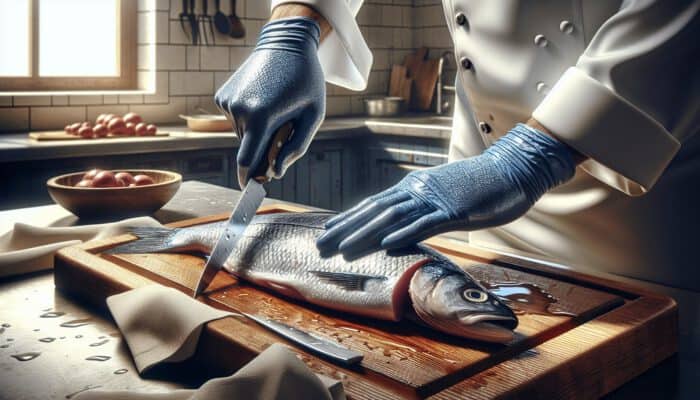
Deboning slippery fish can present considerable challenges, but employing effective grip strategies can significantly enhance your control. One successful method involves using a damp cloth to secure the fish, preventing it from slipping during the deboning process. Alternatively, wearing kitchen gloves can provide additional grip without sacrificing dexterity. These techniques allow you to maintain better control while executing precise cuts. Regular practice of these approaches ensures a smoother deboning experience, resulting in fewer mistakes and a higher-quality final product. Gaining confidence in managing slippery surfaces is essential for mastering this fundamental culinary skill and enhancing your overall cooking capabilities.
How to Choose the Perfect Fish for Deboning Success?
What Factors Are Crucial for Assessing Fish Freshness?
Selecting fresh fish is paramount for effective deboning and has a profound impact on the overall quality of your dish. Key indicators of freshness include clear, bulging eyes, firm flesh that springs back when pressed, and a mild scent—never a fishy odour. Additionally, gills should exhibit bright red or pink hues, indicating a healthy fish. Before embarking on the deboning process, it is essential to verify the following freshness indicators:
- Clear and bright eyes
- Firm and elastic flesh
- Bright red or pink gills
- A mild, ocean-like scent
- Moist and shiny skin
Beginning with high-quality, fresh fish provides a solid foundation for a successful deboning experience and enhances the overall flavour of your dish, ultimately ensuring a delightful culinary journey for you and your guests.
How to Prepare Your Workspace for Maximum Deboning Efficiency?
Creating an efficient workspace is vital for effective deboning. Start by organising your tools, ensuring that your filleting knife, tweezers, and cutting board are readily accessible. A clean and stable cutting surface is essential, as it prevents accidents and facilitates precise cuts. Hygiene is equally important; ensure all tools are sanitised before use to avoid contamination. Additionally, consider placing a damp cloth nearby to enhance grip on slippery fish surfaces. By minimising distractions and streamlining your environment, you will create a focused and productive deboning session, significantly improving both safety and efficiency in your culinary practice.
What Are the Most Effective Tools for Fish Deboning?
Several tools can dramatically elevate your fish deboning experience, simplifying the process and enhancing precision. A high-quality filleting knife stands as your most vital tool, but incorporating a flexible boning knife can be advantageous for more intricate cuts. A pair of needle-nose pliers can also prove invaluable for accessing tight spaces where pin bones are located. Furthermore, a fish scaler can streamline initial preparations before the deboning process. Opting for materials like stainless steel for your knives ensures durability and resistance to corrosion. By equipping yourself with the appropriate tools, you set a solid foundation for greater success in your deboning endeavours, making the process more enjoyable and efficient.
How to Evaluate Fish Species for Easier Deboning?
When selecting fish for deboning, it is essential to consider both the species and its bone structure. Certain fish, such as flathead or tilapia, are excellent choices for novices due to their simpler skeletons and softer flesh, which make deboning considerably easier. Conversely, fish like mackerel, characterised by denser bones and a more intricate structure, present greater challenges. Additionally, consider the size of the fish, as larger specimens may necessitate more advanced techniques. Availability also plays a crucial role; opting for a species commonly found in your region allows for regular practice. By evaluating these factors, you can select the most suitable fish to enhance your deboning skills and build your confidence in the kitchen, paving the way for more complex culinary explorations.
Your Step-by-Step Guide to Mastering Fish Deboning
Initiate with a Precise Cut Along the Backbone of the Fish
The first step in deboning fish involves executing a precise incision along the backbone. Start by placing the fish on a stable cutting board, ensuring it is securely positioned to avoid any slips. With your filleting knife, make a clean cut just behind the head, angling the knife towards the backbone. Gradually guide the blade along the spine, using steady movements to create a clean separation from the flesh. This foundational cut is crucial for building your confidence; practice this technique to develop a better understanding of the fish’s anatomy. As you become more comfortable, you can increase your speed and precision, leading to improved outcomes and greater satisfaction in your culinary efforts.
Carefully Extract Smaller Bones to Guarantee Quality Fillets
After successfully filleting the main body, the next stage involves meticulously removing smaller pin bones without damaging the meat. Utilising tweezers can be particularly effective; grasp each pin bone firmly and pull it straight out to avoid tearing the surrounding flesh. It is essential to work methodically, visually and tactically checking the fillet to ensure no bones are left behind. Patience is paramount here; hurrying through this stage can lead to mistakes. By mastering this technique, you can guarantee a clean and enjoyable eating experience, free from the anxiety of unexpected bones, thereby enhancing the overall quality and appeal of your culinary creations.
Final Touches for an Impeccable Presentation of Your Fish Dish
After successfully deboning the fish, it is time for the finishing touches that will elevate its presentation. Trim away any ragged edges from the fillet to achieve a clean, professional appearance. Use your knife to remove any remaining skin or dark flesh that may detract from the visual appeal for diners. It is essential to maintain the integrity of the fillet while enhancing its aesthetic allure. A well-prepared fish fillet not only looks appetising but also preserves flavour and texture, making it more enjoyable for those you serve. Attention to detail at this stage elevates your culinary creations, impressing your guests and enhancing your cooking reputation, leading to future culinary successes.
What Are the Key Benefits of Mastering Proper Deboning Techniques?
Enhancing Meal Texture and Flavour Through Effective Deboning
Mastering proper deboning techniques significantly enhances both the texture and flavour of your meals. By eliminating bones, you create a more enjoyable eating experience, free from the anxiety of choking. This is particularly crucial in families, where both children and adults appreciate the convenience of boneless fish. Moreover, well-deboned fish allows for improved seasoning and cooking, as the flavours can permeate the flesh more thoroughly. This meticulous attention to detail not only elevates the meal's quality but also transforms ordinary dishes into extraordinary culinary experiences, making every meal memorable and more enjoyable for everyone involved.
How Does Efficient Deboning Save Time in Your Cooking Routines?
Mastering the art of fish deboning can yield significant time savings in your cooking routines. Skilled deboning enables quicker meal preparation, streamlining the entire cooking process. Once you have honed your technique, you will find that you can debone fish in a fraction of the time it initially took. Here are some effective time-saving strategies for the kitchen:
- Practice regularly to build speed and confidence.
- Utilise high-quality tools for increased efficiency.
- Prepare fish in batches to facilitate quicker deboning.
- Stay organised to minimise distractions and enhance focus.
These strategies allow you to concentrate on other aspects of meal preparation, enabling you to create impressive dishes without the stress of lengthy processes, thereby making your cooking experience enjoyable and fulfilling.
How Does Improving Your Deboning Skills Enhance Overall Cooking Skills?
Mastering the techniques of fish deboning contributes significantly to an overall enhancement of your culinary skills. The precision required for this task improves your knife control, which is transferable to various culinary tasks. As you practice, you’ll develop a better understanding of fish anatomy and cooking techniques that elevate your meals. This skill-building experience fosters confidence in the kitchen, empowering you to tackle more complex recipes and expand your culinary repertoire. Ultimately, mastering deboning can lead to heightened creativity and success in your cooking journey, inspiring you to explore new culinary adventures and challenges with confidence.
Proven Strategies for Excelling in the Art of Fish Deboning
How to Build Muscle Memory Through Consistent Practice?
Repetition is vital for mastering the art of fish deboning. Regular practice sessions help to build muscle memory, allowing you to execute cuts with confidence and precision. Begin by dedicating time each week to focus solely on deboning techniques. Gradually increase the complexity of the fish species you work with, moving from simpler options like tilapia to more challenging varieties such as tuna. By consistently practising, you'll refine your skills and witness substantial improvements in your ability to debone efficiently and accurately, ultimately transforming you into a skilled fish preparer with a solid foundation.
How to Adapt Deboning Techniques to Various Fish Sizes for Optimal Results?
Another key strategy involves adjusting your deboning techniques based on the size of different fish. Smaller fish may require more delicate cuts and careful handling, while larger fish offer opportunities for more robust techniques. For example, when working with a large barramundi, you might need to employ longer, sweeping cuts to navigate its structure effectively. Real-world experiences indicate that modifying your approach according to the size and density of the fish can yield superior results. Learning to scale your techniques based on the fish at hand is a key element in mastering deboning, ultimately enhancing your overall confidence in the kitchen.
Why Is Patience Critical in the Deboning Process?
Patience plays a critical role in successfully deboning fish. Rushing through the process often results in mistakes, such as torn flesh or overlooked bones, which can compromise the quality of your fillets. Taking your time allows you to concentrate on each cut, ensuring accuracy and preserving the integrity of the fish. Cultivating patience in your approach not only enhances your skills but also delivers professional-quality results over time. Understanding that mastery is a gradual process empowers you to approach deboning with the mindfulness necessary to achieve excellence and satisfaction in your culinary endeavours, ultimately leading to improved outcomes.
How Does Practice Facilitate Mastery in Fish Deboning?
What Are Achievable Goals for Novices in Deboning?
For beginners, establishing achievable goals is crucial for monitoring improvement in deboning skills. Start with manageable milestones, such as deboning one fish daily or mastering a specific technique. These attainable targets help prevent feelings of overwhelm and foster a sense of accomplishment as you progress. Regular assessments of your skills will highlight areas needing improvement and encourage gradual enhancement without the pressure to achieve perfection immediately. This structured approach to practice lays the groundwork for mastery, making the learning process more enjoyable and rewarding, paving the way for future culinary achievements and confidence in the kitchen.
How to Quickly Address Common Challenges During Deboning?
Common challenges in deboning, such as torn flesh or broken bones, can be frustrating for novices. However, viewing these issues as learning opportunities can facilitate improvement. For instance, if you tear the flesh while deboning, take a moment to analyse the cause—was it due to rushing or improper technique? Developing strategies for error correction, such as slowing down or adjusting your knife angle, can foster resilience and adaptability in your practice. By actively seeking solutions to these challenges, you’ll build confidence and enhance your overall deboning skills, making you a more proficient cook over time and enabling you to handle future tasks with greater ease.
How to Measure Progress Over Time to Enhance Skills?
Tracking your progress is a critical aspect of mastering fish deboning. One effective method is timing your sessions to evaluate how quickly you can debone a fish compared to previous attempts. Additionally, maintaining a visual record of your fillets can provide insight into improvements in presentation and technique. Regular self-assessment encourages consistent practice and helps you identify areas that require further development. By monitoring your progress over time, you’ll cultivate a greater sense of accomplishment and motivation to continue honing your skills, ultimately leading to mastery in the kitchen and increased confidence in your culinary abilities.
Advanced Techniques for Expert-Level Fish Deboning
How to Fillet Fish for Specific Culinary Dishes and Preparations?
As you advance in your deboning skills, learning to fillet fish for specific culinary dishes can elevate your cooking. Different recipes often necessitate unique cuts; for instance, butterflying a fish for grilling enhances its presentation and ensures even cooking throughout. Other techniques, such as skinning the fish beforehand, can also be tailored based on the dish you intend to prepare. Consider the following adaptations for various recipes:
- Butterfly cuts for grilling fish.
- Pin boning for fillets intended for sushi.
- Steak cuts for pan-searing.
- Cuts for fish tacos or sandwiches.
Understanding how to fillet according to specific dishes will expand your versatility in the kitchen and impress your guests with expertly prepared meals that showcase your culinary prowess and creativity, ultimately enhancing your reputation as a skilled cook.
How to Incorporate Creative Variations into Your Deboning Techniques?
Innovative approaches can enrich your deboning repertoire significantly. For instance, skin-on deboning adds extra flavour and texture, as the skin crisps beautifully during cooking. Exploring variations like deboning whole fish for presentations or creating decorative cuts can enhance visual appeal. By experimenting with different techniques, you can develop more versatile skills that adapt to various culinary styles. Creativity in your approach not only keeps the process engaging but also opens the door to new and exciting flavour combinations, allowing you to explore the full potential of your culinary creations and delight your diners with unique dishes.
What Innovative Tools Should You Consider for Deboning Fish?
Integrating modern tools into your deboning routine can significantly streamline the process. Consider utilising flexible filleting knives designed specifically for certain fish types, as well as tools like fish bone tweezers that simplify the removal of pin bones. Additionally, electric filleting knives can greatly reduce effort and time, especially when working with larger fish. These innovative aids can enhance your precision and efficiency. By incorporating the right tools into your practice, you can achieve higher levels of success and satisfaction in your deboning efforts, transforming your kitchen skills and making the process more enjoyable.
How to Explore the Art of Deboning Exotic Meats?
Venturing into the realm of exotic meats such as kangaroo, crocodile, or various fish species presents new opportunities for expanding your deboning expertise. Each type features unique anatomical characteristics that require specialised techniques. For instance, kangaroo has a distinct bone structure compared to traditional meats, necessitating tailored approaches. When handling exotic fish, understanding their specific bone layouts will enhance your ability to maintain meat integrity while achieving superior culinary results. This exploration of exotic options can infuse your cooking with diverse flavours and experiences, thereby broadening your culinary horizons and enriching your repertoire.
Ensuring Safety During the Fish Deboning Process
How to Avoid Cuts and Injuries While Deboning?
Safety is paramount when deboning fish, and implementing protective measures can significantly reduce the risk of cuts and injuries. Wearing cut-resistant gloves adds an extra layer of safety while allowing for dexterity and control. Furthermore, ensure your workspace is well-lit and organised, as this minimises distractions and helps you focus on the task at hand. Cultivating habits that promote safety, such as keeping knives sharp and handling them with care, contributes to a safer deboning experience. Prioritising safety not only protects you but also encourages consistent practice, ultimately leading to improved skills over time and greater confidence in your cooking abilities.
What Are the Best Practices for Properly Storing Deboned Fish?
Implementing proper storage techniques is essential for maintaining the quality and freshness of deboned fish. After you’ve deboned the fish, promptly store the fillets in the refrigerator, ensuring they are well covered to prevent exposure to air and contamination. Using vacuum-sealed bags or tightly wrapped plastic can significantly extend their shelf life. Additionally, consider freezing fillets if they won’t be used within a couple of days. Employing proper storage practices not only preserves flavour and texture but also ensures food safety, making your culinary journey more enjoyable and worry-free.
How to Clean Up Efficiently After Deboning Fish?
Cleaning up efficiently after deboning fish is vital for maintaining hygiene in your kitchen. Begin by rinsing your cutting board and tools with warm, soapy water immediately after use to prevent any residue from hardening. Utilise a dedicated sponge or cloth to minimise cross-contamination and ensure thorough cleaning. Properly dispose of any fish scraps, ensuring they are sealed to avoid unpleasant odours. Implementing these quick clean-up methods ensures a tidy workspace, enabling you to transition smoothly to your next cooking task. A clean environment fosters a positive cooking experience and encourages further culinary exploration, making each cooking session enjoyable and productive.
What Potential Hazards Should You Identify During Fish Deboning?
Recognising potential hazards in fish deboning is crucial for maintaining a safe kitchen environment. Common risks include sharp knives, which can easily cause injuries, and unstable surfaces that may lead to slips or accidents. It is important to conduct ongoing hazard checks, ensuring workspace stability and adequate lighting. Additionally, verify that all tools are in good condition and that they are handled appropriately. By actively identifying and addressing these risks, you create a safer working environment that boosts your confidence in the kitchen, allowing you to focus on mastering your techniques and enjoying the art of deboning without concern.
What Are Commonly Asked Questions About Fish Deboning?
What Is the Best Knife for Effective Fish Deboning?
The most suitable knife for deboning fish is a high-quality filleting knife, known for its sharpness and flexibility. This design allows it to navigate the fish's contours with ease, making clean and precise cuts essential for successful deboning, ensuring the integrity of your fillet.
How Can I Determine If Fish Is Fresh Before Purchasing?
Fresh fish should display clear eyes, firm flesh, vibrant gills, and a mild scent. Avoid fish with dull eyes, mushy texture, or a strong fishy odour, as these are indicators of poor freshness and quality that may compromise your culinary efforts.
What Should I Do If I Accidentally Cut Myself While Deboning?
If you cut yourself, apply pressure to stop the bleeding immediately. Clean the wound with soap and water, then apply a bandage. Seek medical attention if the cut is deep or does not stop bleeding, ensuring your continued safety during cooking and meal preparation.
How Can I Effectively Improve My Deboning Speed?
Enhancing your deboning speed comes with practice. Set regular practice sessions, concentrate on refining your technique, and gradually increase the complexity of the fish you work with, allowing you to build both confidence and skill in your deboning abilities.
Is It Possible to Debone Frozen Fish Successfully?
Deboning frozen fish is not advisable, as the texture becomes brittle and may lead to tearing. It is best to fully thaw fish prior to deboning for optimal results and a more enjoyable experience during your culinary preparations.
What Are Pin Bones, and How Can I Remove Them Properly?
Pin bones are small, thin bones found in many fish fillets. They can be removed carefully using tweezers, pulling them straight out to avoid damaging the flesh and ensuring a clean, enjoyable eating experience for all diners.
Is It Necessary to Sharpen My Knife Regularly for Effective Deboning?
Yes, regular sharpening is crucial for maintaining your knife's performance. A sharp knife reduces the risk of accidents and ensures clean cuts, making deboning easier and more efficient overall, leading to better culinary outcomes.
What Should I Do with Fish Scraps After Deboning?
Fish scraps should be disposed of properly to prevent odours and contamination. Seal them in a bag and discard them in your compost or rubbish bin, maintaining a clean and hygienic kitchen environment that promotes safe cooking practices.
How Do I Know When to Stop Deboning a Fish?
You should cease deboning when you can no longer detect any bones left in the fillet. Thoroughly check for remaining pin bones by feeling along the fillet with your fingers to ensure a pleasant eating experience for you and your guests.
Can I Learn Deboning Techniques Through Online Videos?
Yes, online videos can serve as an excellent resource for learning deboning techniques. Visual demonstrations provide valuable insights into proper methods and reinforce your practice, making the learning process more effective and enjoyable as you develop your culinary skills.
Connect with us on Facebook for More Tips and Tricks!
The post How to Master the Art of Deboning Fish: Pro Tips appeared first on https://cookinggods.com
The Article Master the Art of Deboning Fish with Pro Tips Was Found On https://limitsofstrategy.com
The Article Deboning Fish: Expert Tips for Perfecting the Technique found first on https://electroquench.com