Mastering Dandruff Management: A Detailed Guide to Effective Strategies
What Are the Key Factors Contributing to Persistent Dandruff Flakes?
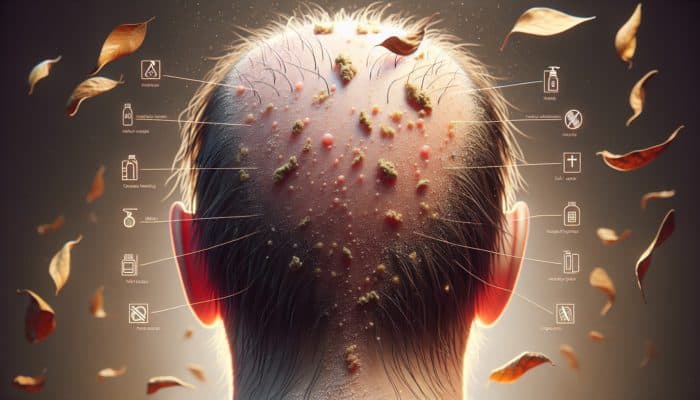
Managing dandruff flakes can feel like an ongoing battle, often arising from a variety of complex factors. The primary contributors include an excessive production of oil, which fosters an ideal environment for fungal growth. Additionally, environmental elements such as dry air or seasonal fluctuations can worsen the issue, while certain hair care products may contain harsh irritants that exacerbate flaking. Recognising these triggers is crucial for developing a proactive approach to nurturing a healthy scalp and maintaining an effective hair care routine. Regular evaluations of your scalp's condition can greatly diminish flaking and empower you to take charge of the situation more effectively.
Understanding the common factors leading to dandruff is essential for successful management. Here are key triggers to enhance your awareness:
- Excess sebum production resulting in an oily scalp
- Fungal growth, particularly from Malassezia yeast
- Dry skin conditions that worsen due to environmental changes
- Allergic reactions to various hair care products
- Hormonal fluctuations that affect skin health
- Stress, which can aggravate existing scalp issues
- Poor diet lacking essential nutrients
- Lack of proper scalp hygiene
By pinpointing these contributing factors, individuals can take proactive steps to improve their scalp health and reduce the persistence of dandruff.
How Can You Identify the Most Effective Ingredients in Dandruff Treatments?
Identifying effective dandruff treatments hinges on recognising which active ingredients effectively target flakes. Look for potent components such as zinc pyrithione, renowned for its antifungal properties, and salicylic acid, which aids in the exfoliation of dead skin cells. Other beneficial ingredients include tea tree oil, celebrated for its natural antifungal advantages, as well as ketoconazole, a powerful antifungal agent often found in medicated shampoos.
Incorporating these vital ingredients into your daily hair care regimen is essential for preventing recurrent issues without resorting to harsh chemicals. Many modern formulations combine these active agents with soothing moisturisers to ensure the scalp remains well-nourished while effectively combating flakes. For those who are conscious about their hair care choices, sourcing products enriched with natural elements such as aloe vera or chamomile can provide gentle yet effective solutions, ultimately enhancing both scalp health and overall hair vitality.
Understanding how these ingredients work together empowers consumers to make informed purchasing decisions. With this knowledge, individuals can select products that not only tackle existing dandruff but also foster a healthier scalp environment moving forward.
What Are the Initial Steps to Assess Flaking on Your Scalp?
Assessing your scalp's health is a crucial first step in effectively managing dandruff. Begin with a visual inspection of your scalp for signs of redness, irritation, or excessive oiliness. A practical method is to utilise a mirror to thoroughly examine your scalp, ensuring you cover all areas, including behind the ears and along the hairline.
Another beneficial approach is to monitor the severity of flakes over time. Keeping a symptom diary can be incredibly useful—documenting instances of flaking, itchiness, or discomfort allows you to identify patterns related to environmental factors or product usage. Additionally, using a fine-toothed comb while washing can help gauge the extent of flaking caused by different products.
Establishing a consistent monitoring routine will enable you to track progress and make necessary adjustments to your treatment. The objective is to empower individuals with practical insights that facilitate ongoing assessment and flake management, ultimately leading to enhanced scalp and hair quality over time.
How Can You Implement Dandruff Solutions Effectively?
What Preparation Steps Should Be Followed for Effective Treatment Application?
Preparation plays a fundamental role in executing effective dandruff solutions. Start by thoroughly cleansing your scalp to eliminate any buildup of oils, dirt, or residue that could compromise product efficacy. Using a gentle cleansing shampoo before applying treatments creates a clean canvas for active ingredients to penetrate deeply and function effectively.
Choosing the right products tailored to your specific scalp condition is equally critical. Look for shampoos and treatments that incorporate proven anti-dandruff agents suitable for your hair type. For instance, if you have dry hair, opt for a hydrating formula that balances moisture without undermining the efficacy of the active ingredients.
Once you have selected your products, establish a consistent application routine. Apply treatments directly to the scalp and gently massage with your fingertips. This practice not only aids in evenly distributing the product but also stimulates scalp circulation, creating an environment conducive to improved hair health. Regular use of the selected solution is vital for achieving optimal results; consistency will lead to noticeable improvements in flake severity and overall scalp condition.
Is Daily Application Required for Optimal Results?
The frequency of application can significantly affect the effectiveness of dandruff solutions. In many cases, daily application is recommended during the initial treatment phase to effectively manage flaking and irritation. This intensive method allows active ingredients to work more efficiently, directly addressing the root causes of dandruff.
However, it is essential to consider the advantages and disadvantages of various application schedules. While frequent use can lead to quicker results, overdependence on treatments may result in scalp sensitivity or product buildup. Transitioning to a maintenance schedule after achieving initial improvements is often advisable, which may involve applying treatments three to four times a week, allowing the scalp to recover while still receiving essential care.
Ultimately, understanding your scalp's response to these solutions is vital. Regularly evaluate your scalp for signs of improvement or discomfort, and adjust application frequency as necessary to maintain results without compromising scalp health.
What Methods Can Be Utilised to Track Progress During Dandruff Treatment?
Monitoring your progress while implementing dandruff solutions is crucial for long-term success. Begin by establishing clear indicators of improvement, such as diminished flake severity, reduced itchiness, or less redness. Capturing photographs of your scalp at regular intervals can help visually document changes over time, providing tangible evidence of progress that can encourage further efforts.
In addition to visual assessments, consider maintaining a symptom log. This should encompass notes on any fluctuations in scalp health, product usage, and environmental factors, allowing you to identify patterns that might influence your condition. For instance, if you notice that flakes worsen during stressful periods, acknowledging this can help you modify your routine accordingly.
Regularly reviewing your progress not only enables you to make informed treatment decisions but also reinforces your commitment to maintaining a healthy scalp. By documenting changes and evaluating the effectiveness of your chosen solutions, you can make necessary adjustments, ensuring sustained relief and improved hair health over time.
What Professional Insights Can Enhance Your Management of Dandruff Flakes?
What Key Principles Can Be Gleaned from Professional Recommendations?
Seeking professional insights can significantly enhance your strategy for managing dandruff. Experts advocate for a comprehensive approach to scalp care, emphasising the importance of selecting proven formulations that cater to individual requirements. For instance, dermatologists frequently recommend products containing ingredients like zinc pyrithione or salicylic acid for their efficacy in combating fungal growth and exfoliating dead skin cells.
Integrating a balanced hair care routine is paramount. Professionals suggest focusing not only on treatment products but also on using gentle shampoos and conditioners that suit your hair type. This prevents further irritation and supports the overall health of your hair and scalp.
To maximise the effectiveness of your regimen, adhere to expert recommendations for application techniques. For example, massaging treatments into the scalp for several minutes allows active ingredients to penetrate more effectively. Stressing the importance of consistency, experts note that maintaining a routine for several weeks or months is critical to observing noticeable improvements.
Ultimately, seeking professional advice enhances your understanding of effective flake-reduction strategies, positioning you to make informed decisions about your scalp-care regimen.
What Advanced Techniques Can Assist in Managing Persistent Dandruff Flakes?
For individuals grappling with stubborn dandruff, advanced techniques can offer innovative solutions. One approach gaining popularity among professionals is the combination of treatments. For instance, layering antifungal shampoos with soothing conditioners can yield enhanced results, as this method addresses multiple facets of dandruff: reducing fungal growth while simultaneously moisturising the scalp.
Real-world examples illustrate the effectiveness of this strategy. Numerous individuals have reported significant improvements by alternating between medicated and natural treatments. This method allows the benefits of both to synergise, preventing the scalp from becoming accustomed to a single treatment, which can sometimes lead to reduced effectiveness.
Moreover, incorporating natural remedies can complement traditional treatments. Ingredients such as coconut oil and apple cider vinegar have demonstrated soothing benefits and reduced flaking. However, it is crucial to test these remedies for tolerance, as individual responses can vary considerably.
By employing these advanced techniques, individuals can tackle persistent dandruff with a multifaceted approach, ensuring sustained relief and enhanced scalp health over time.
How Can Dandruff Solutions Be Incorporated into Lifestyle Changes?
Integrating dandruff solutions into lifestyle changes is essential for achieving long-term control over flakes. Experts recommend adopting a holistic approach that not only addresses the scalp topically but also considers internal factors such as diet and stress management. Consuming nutrient-rich foods, particularly those high in omega-3 fatty acids, vitamins B and E, and zinc, plays a crucial role in promoting healthy skin and hair.
Furthermore, managing stress is vital, as it can exacerbate scalp conditions. Engaging in practices such as yoga, meditation, or regular exercise can significantly enhance overall well-being and indirectly benefit scalp health. Creating a calming environment and allowing time for self-care can help keep stress levels manageable, thereby reducing the likelihood of flare-ups.
Establishing preventative habits in your daily routine is equally important. Regular cleansing of the scalp, avoiding harsh chemicals in hair products, and wearing protective headwear in adverse weather can help minimise the risk of dandruff recurrence. By embracing these lifestyle changes, individuals can enhance their hair care routines while fostering a supportive environment for ongoing scalp health.
What Are the Best Practices for Optimal Dandruff Management?
How Can You Establish a Consistent Treatment Schedule?
Consistency is pivotal in effectively managing dandruff. Establishing a regular treatment schedule allows the active ingredients in your chosen solutions to work optimally, significantly reducing flakes and improving your scalp's overall condition. Most experts recommend adhering to a schedule customised to your scalp’s specific needs, typically applying treatments two to three times a week, with increased frequency during flare-ups.
To create an effective schedule, consider your lifestyle and hair care habits. Setting reminders can help keep you on track and avoid missing treatments, even on busy days. It is also beneficial to periodically assess your schedule. As your scalp health improves, you may find you are able to reduce application frequency while still maintaining results.
Moreover, strictly adhere to recommended application techniques, which include thoroughly massaging treatments into the scalp and allowing ample time for them to work before rinsing. By committing to a consistent treatment schedule and following the necessary application methods, you can establish a foundation for long-term flake reduction and healthier scalp.
Why Is Selecting Specific Solution Types Vital for Dandruff Management?
Choosing specific solution types is critical for effective dandruff management. The formulation of a product can significantly impact its efficacy and suitability for individual scalp conditions. For instance, those with sensitive skin may prefer natural formulations that avoid synthetic chemicals and harsh preservatives, offering a gentler approach to flake removal.
Natural solutions, such as those containing tea tree oil or aloe vera, not only address dandruff but also soothe irritation and nourish the scalp. They can be particularly effective for individuals prone to allergic reactions or sensitivities to traditional medicated treatments. Conversely, medicated shampoos with proven active ingredients such as ketoconazole or sulfur provide effective solutions for more severe cases of dandruff.
Ultimately, the choice of solution type should align with your specific needs and hair type. By understanding the properties of different formulations, individuals can select products that not only eliminate flakes effectively but also complement their overall hair care routine, ensuring a gentle approach to scalp health.
How Can You Measure Success in Flake Reduction?
Measuring success in reducing flakes is essential for evaluating the effectiveness of your dandruff management practices. Start by identifying clear indicators of improvement. These may include:
- Reduced itching or discomfort
- Visible decrease in flake severity
- Improved scalp hydration and overall appearance
- Less frequent flare-ups
- Overall enhanced hair vitality
Tracking these indicators can provide valuable insight into the effectiveness of your treatment and guide any necessary adjustments.
In addition to visual and physical assessments, consider maintaining a progress log. Documenting your observations over time enables a more comprehensive understanding of how different products or routines affect your scalp health. This evidence-based approach allows you to refine your strategies, ensuring you stay on course toward optimal results.
By regularly assessing your progress and focusing on these indicators, you can establish a solid framework to achieve and maintain healthier scalps while reducing dandruff.
How Can You Incorporate Preventive Measures into Daily Routines for Dandruff Management?
Implementing preventive measures is critical to maintaining a flake-free scalp. Establishing habits such as regular scalp cleansing is essential for preventing the buildup of oils and dead skin that can lead to dandruff. Opt for gentle shampoos that effectively remove impurities without stripping the scalp of its natural oils.
Moreover, wearing protective headwear in harsh weather can shield your scalp from the elements. Cold, dry air can exacerbate dryness and irritation, leading to increased flaking, while sun exposure can damage sensitive skin. Therefore, donning hats or scarves in extreme weather can protect your scalp.
Additionally, managing environmental factors is vital. Keeping your living space humidified during dry seasons can help maintain scalp moisture. Consider incorporating routine scalp massages to improve circulation and promote healthy hair growth, which can also aid in preventing flakes.
By integrating these preventive measures into daily routines, individuals can support long-term scalp health and minimise dandruff flare-ups, ensuring a more manageable approach to hair care over time.
What Are the Research-Backed Benefits of Effective Dandruff Solutions?
What Evidence Supports Enhanced Scalp Health Through Dandruff Treatments?
The benefits of effective dandruff solutions extend beyond mere flake reduction; they fundamentally enhance overall scalp health. Research indicates that treatments containing active ingredients such as zinc pyrithione and ketoconazole significantly improve moisture balance while reducing inflammation associated with dandruff. These active agents work to combat the root causes of flaking, including fungal overgrowth and excess oil production.
Furthermore, studies have shown that consistent use of these solutions improves scalp texture and appearance. By effectively addressing the factors that contribute to dandruff, individuals experience reduced irritation and greater comfort, creating a healthier scalp environment. This, in turn, fosters better hair growth and vitality, creating a positive cycle of scalp and hair health.
Incorporating scientifically supported solutions into your routine not only reduces flaking but also enhances the overall quality of your hair. By prioritising treatments proven to deliver tangible results, individuals can develop a sustainable approach to managing dandruff.
What Are the Long-term Advantages of Regular Use of Dandruff Solutions?
Consistent use of effective dandruff solutions yields significant long-term benefits. Research demonstrates that individuals who adhere to a routine experience fewer flare-ups over time. With sustained application, the scalp becomes more resilient, and the natural balance of oils and hydration is restored, reducing the likelihood of recurrence.
Moreover, long-term use supports overall scalp health. As active ingredients continue to inhibit fungal growth and reduce irritation, users often report improved scalp comfort and reduced itching. This consistent relief fosters a more positive relationship with hair care, encouraging individuals to maintain their routines for better results.
To sustain these long-term benefits, individuals should incorporate effective solutions into their daily routines as part of their overall self-care regimen. By committing to a routine and prioritising scalp health, the advantages of regular use extend well beyond immediate flake reduction, leading to enduring improvements in hair vitality and scalp condition.
What Potential Side Effects Should You Be Aware Of and How Can They Be Mitigated?
While many dandruff solutions are effective, it is crucial to be aware of potential side effects, particularly with prolonged use. Some individuals may experience scalp irritation, dryness, or allergic reactions to specific ingredients. To mitigate these risks, it is advisable to perform patch tests when introducing new products, enabling identification of sensitivities before full-scale application.
Additionally, alternating products can help minimise the likelihood of adverse reactions. For example, if a medicated shampoo causes dryness, complementing it with a deeply moisturising conditioner or a natural oil treatment can help maintain scalp hydration while still benefiting from the active ingredients in the shampoo.
Being mindful of formulation is also essential. Opting for products with minimal synthetic additives and focusing on reputable brands can significantly reduce the risk of irritation. Regularly reassessing your scalp's response enables you to make informed decisions about product use, promoting a safe and effective approach to dandruff management.
By understanding potential side effects and employing mitigation strategies, individuals can maintain effective treatment while safeguarding their scalp health.
How Does the Efficacy of Dandruff Solutions Compare to Alternative Treatments?
The efficacy of dandruff solutions often surpasses that of other treatments available on the market. Research indicates that specific formulations, particularly those containing active ingredients such as salicylic acid and ketoconazole, demonstrate superior results in reducing dandruff flakes and improving overall scalp health compared to over-the-counter alternatives.
Clinical trials have shown that these targeted solutions not only provide immediate symptom relief but also contribute to long-term improvements in scalp conditions. In contrast, many natural remedies, while beneficial, often lack rigorous testing to validate their effectiveness against stubborn dandruff.
Moreover, evidence suggests that using scientifically formulated products provides assurance that they can address underlying dandruff issues, such as fungal growth and inflammation. This makes them a more reliable option for individuals seeking effective, evidence-based treatment.
In summary, opting for clinically proven dandruff solutions ensures individuals are using the most effective strategies available, leading to superior outcomes in flake reduction and improved scalp health.
How Can You Incorporate Dandruff Solutions into Daily Hair Care Routines?
Integrating dandruff solutions into daily hair care routines is essential for maximising their benefits. Research has shown that consistent use of targeted treatments not only reduces flaking but also enhances hair vitality. By establishing a routine that includes both cleansing and treatment, individuals can create an environment that promotes scalp health.
For optimal results, it is advisable to alternate between medicated shampoos and gentle cleansers. This approach allows for effective treatment without overwhelming the scalp with active ingredients. Additionally, incorporating conditioning treatments that nourish and hydrate the scalp can further prevent dryness and irritation.
Furthermore, consider scheduling treatment applications to coincide with hair-washing routines to ensure the scalp receives consistent care. Maintaining a balance between treatment and gentle care fosters lasting improvements.
By aligning dandruff solutions with daily hair care practices, individuals can achieve a comprehensive approach to scalp health, leading to improved hair quality and reduced flaking over time.
How Can You Establish Daily Routines for Flake Control?
What Are the Best Practices for Forming Effective Habits Around Solution Use?
Establishing effective habits for using dandruff solutions is crucial for successful management. Start by developing a routine that seamlessly integrates treatment into your daily hygiene practices. For instance, designate specific days of the week for applying medicated shampoos or treatments to ensure consistency in your approach.
To facilitate habit formation, consider setting reminders on your phone or incorporating the treatment into your morning or evening shower routine. This way, the application becomes a natural part of your self-care ritual, reducing the likelihood of skipping treatments.
Moreover, personalise your routine to address your specific needs. If you find that certain times of day work better for you, adjust your schedule accordingly. The goal is to create a system that promotes regular application while fitting comfortably into your lifestyle, ensuring that flake management remains a priority.
By establishing these habits around solution use, individuals can effectively manage dandruff and maintain healthier scalps in the long run.
How Do Lifestyle Factors Influence the Execution of Dandruff Solutions?
Lifestyle factors play a significant role in the successful execution of dandruff solutions. Diet, for instance, profoundly affects scalp health. Consuming a balanced diet rich in vitamins, minerals, and essential fatty acids supports skin function and may reduce the severity of dandruff. Foods high in omega-3 fatty acids, such as salmon and walnuts, can promote scalp hydration and reduce inflammation.
Stress levels also impact the effectiveness of dandruff treatments. High-stress situations can trigger flare-ups, leading to increased flaking and discomfort. Implementing stress-reduction techniques, such as mindfulness, yoga, or physical exercise, can help mitigate these effects. Prioritising mental well-being supports a holistic approach to scalp health, leading to improved treatment outcomes.
Additionally, environmental factors such as humidity and air quality can influence the effectiveness of dandruff solutions. Incorporating air purifiers in your living space or using a humidifier during dry seasons can help maintain optimal scalp conditions.
By recognising how lifestyle factors impact treatment execution, individuals can make informed choices that enhance the effectiveness of their dandruff solutions, fostering a more robust approach to scalp health.
How Can You Adapt Routines for Different Scalp Needs?
Adapting routines to cater to different scalp needs is essential for effective dandruff management. Each individual’s scalp condition may vary, requiring adjustments in treatment strategies. For those with oily scalps, incorporating lightweight, oil-free products can help manage sebum levels while still addressing flakes. In contrast, individuals with dry scalps may benefit from richer, moisturising formulations that nourish the scalp and prevent irritation.
Moreover, consider seasonal changes that may affect your scalp health. For instance, during winter, indoor heating can increase dryness. Tailoring your routine to include hydrating treatments or scalp oils can combat this issue. Conversely, during humid summer months, lighter formulations may be appropriate to prevent excessive oil buildup.
Regularly assess your scalp's response to various products and techniques; this enables real-time adjustments to align with changing needs. By adopting an adaptable routine, individuals can ensure their dandruff management remains effective, regardless of circumstances.
Why Should You Consider Natural Solutions in Dandruff Management?
Are Natural Options More Effective for Long-Term Results?
Natural solutions for dandruff have gained prominence as effective long-term options. Many individuals prefer plant-based treatments for their gentler formulations, which can reduce flaking without the irritation often associated with synthetic products. Ingredients such as chamomile, tea tree oil, and aloe vera provide soothing properties and help address the root causes of dandruff.
Research suggests that natural options can be effective, especially for those with sensitive skin. They are less likely to cause adverse reactions while still promoting a healthy scalp environment. Moreover, many natural ingredients possess antifungal properties, making them suitable alternatives to traditional medicated treatments.
However, it is important to recognise that individual responses can vary. Some may find that a combination of natural and synthetic products yields the best results. By exploring natural solutions, individuals can identify what works best for their scalp conditions, potentially leading to lasting relief from dandruff.
What Are the Benefits of Avoiding Chemical Additives in Dandruff Solutions?
One significant advantage of opting for natural dandruff solutions is reduced exposure to chemical additives. Many traditional dandruff treatments contain harsh ingredients that can irritate sensitive scalps and contribute to long-term scalp issues. By choosing natural formulations, individuals can avoid potential skin sensitivities and adverse reactions associated with synthetic additives.
Natural ingredients often work synergistically to promote scalp health, enhancing moisture retention and soothing irritation. For instance, aloe vera not only hydrates but also calms inflammation, making it an excellent choice for those experiencing discomfort alongside dandruff. Furthermore, avoiding chemical additives aligns with a broader trend toward clean beauty, appealing to consumers who prioritise health and wellness in their product choices.
By embracing natural solutions, individuals can foster a healthier approach to dandruff management, ultimately promoting better overall scalp health and reducing the risk of irritation from harmful chemicals.
What Considerations Should You Keep in Mind When Transitioning to Natural Methods?
When transitioning to natural methods for dandruff management, several factors should be considered. First, assess compatibility with your existing routine. It is beneficial to introduce natural products gradually, allowing your scalp to adjust without overwhelming it with multiple changes simultaneously.
Evaluate the ingredients of natural options to ensure they align with your specific needs. For instance, if you are prone to sensitivity, seek formulations free from allergens or irritants. Additionally, consider the consistency and frequency of application; natural solutions may require different routines compared to traditional options.
Here’s a bullet list of key benefits for seamless integration into daily flake management:
- Potentially fewer side effects due to gentler formulations
- Enhanced scalp health through nourishing ingredients
- Improved moisture retention and hydration
- Alignment with clean beauty principles for health-conscious consumers
By taking these considerations into account, individuals can successfully transition to natural approaches, enhancing their dandruff management routines while promoting overall scalp health.
How Can You Monitor and Adjust Your Dandruff Management Approach?
What Signs Indicate That Adjustments Are Necessary in Your Dandruff Routine?
Recognising when adjustments are necessary in your dandruff management approach is crucial for long-term success. If you experience persistent flakes, increased itching, or irritation despite following your treatment regimen, it may indicate that your current solutions are ineffective. Additionally, changes in scalp condition, such as redness or sensitivity, may necessitate a different approach.
Another important sign is the occurrence of new symptoms or flare-ups. If you notice increased discomfort or new flakes after introducing a new product, consider reevaluating its suitability for your scalp.
Regular self-assessment is vital; maintaining a symptom log can help identify these changes and prompt timely adjustments. By understanding your scalp's needs, you can make informed decisions about modifying your routine to ensure sustained health and comfort.
How Can You Refine Your Dandruff Solutions Over Time?
Refining your dandruff solutions over time is a dynamic process that requires ongoing assessment and adaptation. Start by regularly reviewing the effectiveness of your current products; if you observe diminishing results, it may be time to explore alternative options or formulations.
Consider incorporating feedback from your scalp into your decision-making process. For instance, if you notice that certain ingredients exacerbate irritation, seek out alternatives that are gentler yet effective. Additionally, experimenting with different application techniques or frequencies can improve flake management.
It is also valuable to stay informed about new developments in dandruff treatments. Advances in formulations may offer fresh solutions that align better with your evolving scalp needs. By embracing a flexible mindset and staying attuned to changes, individuals can continually refine their approaches, ensuring sustained success in managing dandruff.
How Can You Ensure Sustained Flake-Free Results?
Achieving and maintaining sustained flake-free results requires a proactive approach to scalp care. Regularly monitoring scalp health is essential; schedule periodic assessments to evaluate the effectiveness of your current routine.
Incorporate a system for tracking changes over time, noting any improvements or new symptoms. This data can provide valuable insights into what strategies work best for you and inform any necessary adjustments.
Additionally, consider periodic consultations with a dermatologist or trichologist, especially if you encounter persistent issues. Professional advice can help you refine your routine and stay on track for long-term success in dandruff management.
By implementing a comprehensive monitoring strategy and adapting your approach as needed, you can enhance the sustainability of flake-free results and foster a healthier scalp environment.
How Can You Utilise Professional Advice in Your Dandruff Management Journey?
Consulting professionals such as dermatologists or trichologists can offer invaluable insights into managing dandruff effectively. When your current strategies falter or you experience persistent symptoms, seeking expert guidance can help you develop tailored solutions that address your specific needs.
Professional consultations can uncover underlying causes of dandruff, such as scalp conditions or allergies. Moreover, experts can recommend advanced treatment options and personalised regimens tailored to your hair type and lifestyle, helping you achieve optimal results.
Additionally, staying informed about the latest research and developments in the field can enhance your understanding of effective dandruff management. Professionals can provide updates on new treatments and advise on incorporating them into your routine.
By leveraging professional advice, individuals can enhance their monitoring and access personalised strategies to promote long-term scalp health, ensuring a comprehensive approach to managing dandruff.
Common Questions Regarding Dandruff Management
What Are the Primary Causes of Dandruff?
Dandruff is primarily caused by factors such as excess oil production, fungal growth, dry skin, and sensitivity to hair products. Identifying these triggers is crucial for effective management.
How Frequently Should I Apply Dandruff Treatments for Best Results?
Initially, applying dandruff treatment daily may be beneficial. However, once improvement is achieved, transitioning to two to three times per week is often recommended for maintenance.
Can Diet Influence the Severity of Dandruff?
Yes, a balanced diet rich in vitamins, minerals, and essential fatty acids can positively influence scalp health and reduce the severity of dandruff.
Are Natural Solutions Effective for Dandruff Management?
Natural solutions can be effective in the long term, offering gentler alternatives to synthetic products while addressing the root causes of dandruff.
How Can I Determine If My Dandruff Treatment Is Working?
Monitoring indicators such as reduced flakes, decreased itching, and improved scalp comfort can help assess the effectiveness of your dandruff treatment.
What Should I Do If My Dandruff Worsens?
If your dandruff worsens, consider evaluating your current products, consulting a dermatologist, and adjusting your routine to address underlying issues.
Can Stress Contribute to Dandruff Development?
Yes, stress can exacerbate dandruff by triggering flare-ups or worsening existing scalp conditions, making stress management an important aspect of treatment.
How Can I Prevent Dandruff from Recurring?
Maintaining a consistent scalp-care routine, managing stress, and incorporating preventive measures can help reduce the risk of dandruff recurrence.
What Ingredients Should I Look for in Dandruff Products?
Look for active ingredients such as zinc pyrithione, salicylic acid, tea tree oil, and ketoconazole to effectively combat dandruff and soothe the scalp.
Is It Necessary to Consult a Professional for Dandruff Issues?
While many can manage dandruff at home, consulting a dermatologist or trichologist can be beneficial for persistent issues or to gain personalised treatment insights.
Connect with us on Facebook!
The Article: Executing Dandruff Flake Solutions: Effective Techniques appeared first on Amitys Hair Salon.
The Article Dandruff Flake Solutions: Proven Techniques for Relief Was Found On https://limitsofstrategy.com
The Article Dandruff Flake Solutions: Effective Remedies for Relief found first on https://electroquench.com