Discover Comprehensive Information on Dairy Intolerance in the UK
What Are the Leading Causes of Dairy Intolerance?
Private Dairy Intolerance Test in Portsmouth: In the UK, the major cause of dairy intolerance is typically attributed to a lactase deficiency. This enzyme plays a crucial role in the digestion of lactose, which is the sugar present in milk. When this enzyme is lacking, individuals may experience a variety of discomforting symptoms such as bloating, gas, and abdominal pain after consuming dairy. The genetic background of an individual greatly influences lactase persistence, with certain ethnic groups, particularly those of northern European descent, showing a higher prevalence of this enzyme's activity. Furthermore, dietary habits and overall gut health can also significantly affect the development and intensity of dairy intolerance.
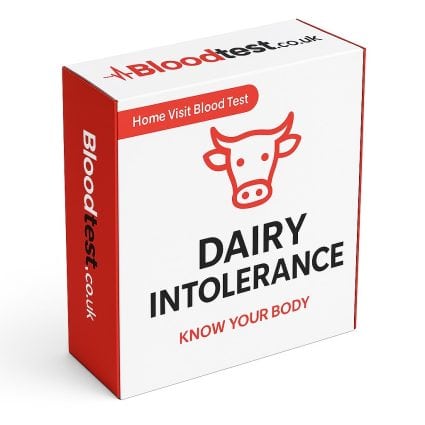

Recognising dairy intolerance promptly and managing it effectively is essential for maintaining a healthy lifestyle. Individuals who suspect they may be dealing with this condition should consider gradually reducing their dairy consumption while carefully monitoring their symptoms. Keeping a detailed food diary can be beneficial for pinpointing specific triggers, and seeking advice from healthcare professionals can provide essential insights into appropriate dietary changes. By taking these proactive steps and being aware of the signs and symptoms, individuals can significantly reduce discomfort and improve their overall quality of life.
What Symptoms Should You Watch For in Dairy Intolerance?
Many individuals across the UK report experiencing a multitude of symptoms after consuming dairy products, which can significantly disrupt their daily lives and overall well-being. The severity of these symptoms can vary greatly among individuals and may include:
- Bloating
- Excess gas
- Diarrhoea
- Stomach pain or cramps
- Nausea
- Skin issues such as eczema or rashes
- Fatigue
- Headaches
Identifying these symptoms is crucial, as they may point to a potential dairy intolerance. Many people often overlook mild discomfort; however, if these symptoms persist after consuming dairy, it is wise to consider the possibility of dairy intolerance and seek appropriate testing.
What Testing Options Are Available for Dairy Intolerance?
In the UK, several diagnostic tests can accurately identify dairy intolerance. These options include:
– Hydrogen breath test: This examination measures the levels of hydrogen in the breath after the ingestion of a lactose-rich beverage. Elevated levels of hydrogen indicate lactose malabsorption.
– Lactose tolerance test: In this test, individuals fast before consuming lactose to determine whether blood glucose levels rise, indicating proper digestion.
– Skin prick test: While primarily used for allergies, it can also help differentiate between an allergy and lactose intolerance.
– Blood tests: These can identify specific antibodies associated with lactose intolerance.
Local clinics in Portsmouth provide these testing services, ensuring that individuals receive precise results tailored to their health needs. The outcomes of these tests are vital for guiding individuals towards effective dietary adjustments, ultimately improving their overall health and quality of life.
Which Dairy Alternatives Should You Consider for Managing Intolerance?
In the UK, people with dairy intolerance can choose from a variety of plant-based alternatives. Products such as almond milk, oat milk, coconut milk, and soy milk are widely available in supermarkets and health food stores. The NHS recommends incorporating these alternatives into a balanced diet to prevent nutritional deficiencies, particularly concerning calcium and vitamin D, which are typically abundant in dairy products.
It is essential to choose fortified versions of these alternatives, as many plant-based milks may lack the complete nutritional profile of cow’s milk. Consulting healthcare professionals or registered dietitians can help in creating personalised meal plans tailored to individual dietary needs. By exploring these alternatives, individuals can enjoy a fulfilling diet while effectively managing their intolerance.
What Are the Prevalence Rates of Dairy Intolerance in the UK?
Recent health surveys reveal that dairy intolerance impacts approximately 5-10% of the UK population, highlighting a significant health concern that requires greater awareness. Understanding these statistics is crucial, as they can facilitate the promotion of inclusive dietary options and inspire public health initiatives aimed at supporting those affected by this condition.
As awareness of dietary restrictions grows, so does the demand for diverse and accessible food options. This increasing consciousness not only benefits individuals with dairy intolerance but also fosters a more inclusive food environment, allowing everyone to embrace healthier lifestyle choices.
How Can You Obtain a Dairy Intolerance Test in Portsmouth?
What Steps Should You Take to Prepare for Your Test?
Preparing for a dairy intolerance test in Portsmouth entails following specific guidelines to ensure accurate results. Generally, it is recommended to avoid consuming any dairy products for at least 48 hours before the test. This abstinence helps to clear lactose from your system, allowing healthcare providers to accurately evaluate your body's reaction to dairy. Clinics typically provide detailed preparation instructions, which may include dietary restrictions and other necessary steps prior to your appointment. Being well-prepared not only enhances the reliability of the results but also lays a solid foundation for effective management of intolerance once testing is complete.
What Options Are Available for Booking Testing at Local Clinics?
In Portsmouth, individuals seeking a dairy intolerance test have a range of booking options. Patients can either obtain a referral from their GP or opt for private laboratory tests. Each option has its advantages; NHS referrals may involve longer waiting times but usually incur no costs, while private tests often provide quicker results for fees ranging from £100 to £200.
When choosing the best testing method, it is essential to consider factors such as waiting times, costs, and the clinic's reputation. Many local clinics are well-regarded for their expertise in allergy and intolerance testing, ensuring that patients receive trustworthy and accurate services, whether through the NHS or private providers.
What Are the Associated Costs and Insurance Coverage for Testing?
The costs related to dairy intolerance testing in Portsmouth can vary significantly. NHS tests are often available at no cost to eligible patients, while private testing options typically range from £100 to £200. It is prudent for patients to consult with their healthcare provider or the testing clinic to clarify the specific costs involved and whether any insurance coverage applies.
Being informed about the financial aspects of testing enables individuals to plan accordingly and avoid unanticipated expenses. Some clinics may also offer payment plans to help manage testing costs, ensuring that financial constraints do not hinder access to essential healthcare services.
Insights from Experts on Dairy Intolerance Testing in Portsmouth
What Innovative Testing Techniques Are Utilised?
In Portsmouth, healthcare professionals employ advanced testing techniques to ensure accurate diagnoses of dairy intolerance. One of the most prevalent methods is the hydrogen breath test, which has gained traction due to its non-invasive approach and reliability. During this assessment, a patient consumes a lactose solution, and breath samples are collected over several hours to measure hydrogen levels. Elevated hydrogen readings suggest a difficulty in digesting lactose, thereby confirming lactose intolerance.
Local research has shown the effectiveness of this method, demonstrating its ability to reliably identify patients with lactose malabsorption. These advanced testing techniques are invaluable to healthcare practitioners in Portsmouth, empowering them to offer tailored dietary advice and management strategies that cater to each patient's unique health circumstances.
How Should You Interpret Your Test Results with Professionals?
Once test results are available, it is crucial for individuals to consult healthcare professionals in Portsmouth for a thorough interpretation. Understanding the intricacies of test results can be challenging, as varying degrees of intolerance may be present. Specialists can provide actionable steps based on the findings, assisting patients in effectively adjusting their diets.
Healthcare professionals can also help distinguish dairy intolerance from other conditions, such as lactose allergy or gastrointestinal disorders. This clarity ensures that patients adopt a dietary plan that genuinely addresses their symptoms, ultimately enhancing their overall quality of life.
What Long-Term Strategies Should Be Considered for Management?
The long-term management of dairy intolerance often requires ongoing monitoring and adjustments to one’s diet and lifestyle. Research conducted by UK experts recommends that individuals in Portsmouth routinely evaluate their symptoms and dietary habits to ensure they align with their health goals.
Real-world examples highlight the success of structured management plans that incorporate the gradual reintroduction of dairy alternatives along with continuous dietary education. Patients who participate in regular follow-ups with specialists are more likely to maintain balanced nutrition and avoid discomfort, thereby fostering a healthier lifestyle over the long term.
What Benefits Can You Expect from Dairy Intolerance Testing in Portsmouth?
What Health Benefits Can Be Gained?
Testing for dairy intolerance in Portsmouth provides numerous health benefits. By accurately identifying intolerance, individuals can prevent unnecessary discomfort and enhance their gut health. Tailoring diets based on test results can alleviate symptoms associated with lactose malabsorption, leading to an overall improvement in well-being.
Moreover, customised dietary plans can mitigate the risk of chronic health issues related to gastrointestinal disturbances. Local health research supports these benefits, indicating that early diagnosis followed by appropriate dietary management can significantly elevate the quality of life for those affected by dairy intolerance.
How Do Different Tests Compare in Accuracy?
Not all dairy intolerance tests offer the same level of precision. In Portsmouth, healthcare professionals note that hydrogen breath tests and lactose tolerance tests typically provide higher accuracy compared to skin prick tests, which are primarily designed for allergies. Blood tests can also yield valuable insights, but their reliability may vary depending on the laboratory performing the analysis.
The precision of these tests is crucial for effective management of intolerance; therefore, individuals seeking testing should discuss the available options with their healthcare provider to select the most suitable method based on their symptoms and medical history.
What Post-Test Support Resources Are Available?
After completing a dairy intolerance test, patients in Portsmouth can access a variety of support options to assist them in their dietary transition. Post-test resources may include:
- NHS dietary advice groups
- Nutrition workshops and classes
- Support groups for individuals with dietary restrictions
- Access to qualified dietitians for personalised meal planning
These resources are aimed at helping individuals navigate their new dietary choices with confidence, supporting their health and well-being after testing. Engaging with available support options can significantly improve the management of dairy intolerance and foster long-term health benefits.
What Insights Do Local Research Findings Offer Regarding Dairy Intolerance Rates?
Research conducted by UK institutions has revealed an alarming rise in the prevalence of dairy intolerance in Portsmouth. Local studies suggest that various factors contribute to this upward trend, including changes in dietary practices and heightened awareness of food intolerances. This regional data is invaluable for healthcare providers, enabling the formulation of tailored health strategies that address the specific requirements of the local populace.
By understanding the local dynamics surrounding dairy intolerance, public health initiatives can educate communities, enhance access to testing, and promote inclusive dietary options. Early interventions informed by this research can alleviate healthcare burdens and significantly improve the overall quality of life for those affected by dairy intolerance.
What Can You Expect During the Dairy Intolerance Test?
How Is the Testing Procedure Conducted?
The process of undergoing a dairy intolerance test in Portsmouth is designed to be simple and minimally invasive. Most tests, such as the hydrogen breath test, begin with initial preparation, followed by a straightforward procedure in which the patient breathes into a collection device at specific intervals. Sample collection is typically quick and causes little to no discomfort, ensuring a pleasant experience for the individual.
The clarity of the procedure helps individuals understand what to expect, significantly alleviating anxiety associated with the testing process. With the results facilitating precise intolerance identification, patients can take decisive actions to improve their well-being.
What Are the Possible Outcomes and Follow-Up Actions?
Upon completion of the test, individuals in Portsmouth may receive results indicating varying levels of intolerance. Some may discover they have a mild sensitivity, while others may be diagnosed with a more severe intolerance requiring significant dietary adjustments. Follow-up consultations with healthcare professionals are essential for accurately interpreting these results and devising a comprehensive care plan.
Healthcare providers can recommend dietary changes based on the outcomes, ensuring that individuals have the necessary knowledge to manage their intolerances effectively. This ongoing support is crucial for achieving improved health outcomes and sustaining a positive quality of life.
What Are the Emotional and Physical Effects of Testing?
Testing for dairy intolerance can elicit a range of emotional reactions, from relief at gaining clarity to anxiety regarding dietary changes. Individuals in Portsmouth often report feeling empowered following testing, gaining insights into their health and the ability to take actionable steps towards improvement.
This newfound awareness can lead to enhanced daily living and mental health, reducing the stress associated with ongoing gastrointestinal issues. By proactively addressing dairy intolerance, individuals can experience significant positive transformations, fostering confidence and enhancing their overall well-being.
How to Identify Trustworthy Providers in Portsmouth?
What Are the Top Clinics for Testing?
Portsmouth hosts several reputable clinics specialising in allergy and intolerance testing. Facilities associated with local hospitals generally offer high-quality testing services, ensuring patients receive accurate results and expert guidance throughout their diagnostic journey. When selecting a clinic, it is crucial to consider factors such as the clinic’s reputation, staff qualifications, and patient feedback.
Choosing a reliable provider not only guarantees trustworthy testing services but also provides peace of mind, ensuring you are in capable hands throughout the testing process.
How Do Patient Reviews and Recommendations Impact Your Choices?
Patient feedback in the UK plays a vital role in directing individuals to effective testing providers in Portsmouth. Many patients share their experiences online, highlighting both the strengths and weaknesses of various clinics. Positive reviews often mention knowledgeable staff, efficient service, and supportive follow-up care.
When searching for a dependable provider, it is beneficial to consider these experiences, as they can offer valuable insights into which clinics to approach. Engaging with community forums or social media groups can also yield recommendations, helping you make informed decisions regarding your testing options.
What Are the Accessibility and Waiting Times for Testing?
In Portsmouth, individuals seeking dairy intolerance testing have multiple options, including walk-in clinics and scheduled appointments. Accessibility can differ among providers, with some clinics offering immediate service while others may impose longer waiting times.
Considering location and NHS waiting times can greatly influence the convenience of obtaining a test. Individuals should assess which clinics best fit their schedules and locations to facilitate health management without unnecessary delays.
Frequently Asked Questions About Dairy Intolerance
What is dairy intolerance?
Dairy intolerance is a digestive condition where the body struggles to digest lactose, the sugar found in milk, resulting in discomfort and gastrointestinal symptoms after consuming dairy products.
How is dairy intolerance diagnosed?
Dairy intolerance is diagnosed through tests such as hydrogen breath tests, lactose tolerance tests, and blood tests, which evaluate the body’s ability to digest lactose.
What are the typical symptoms of dairy intolerance?
Symptoms of dairy intolerance can include bloating, gas, diarrhoea, stomach cramps, and nausea, typically occurring after dairy consumption.
Can dairy intolerance develop later in life?
Yes, dairy intolerance can emerge at any age, often due to decreased lactase production as individuals age, making it challenging to digest lactose.
How can I effectively manage dairy intolerance?
Management of dairy intolerance typically involves avoiding dairy products, incorporating lactose-free alternatives, and consulting with a dietitian for personalised dietary recommendations.
Are there non-dairy milk alternatives available?
Yes, popular non-dairy milk alternatives include almond milk, soy milk, oat milk, and coconut milk, providing various options for those with dairy intolerance.
Is dairy intolerance the same as a dairy allergy?
No, dairy intolerance is a digestive issue involving lactose, whereas a dairy allergy is an immune response to proteins in milk, which can provoke more severe reactions.
How do I prepare for a dairy intolerance test?
Preparation for a dairy intolerance test generally requires avoiding dairy products for 48 hours before testing to ensure accurate results.
Can I consume dairy if I have a mild intolerance?
Individuals with mild intolerance may manage small amounts of dairy, but it is crucial to monitor symptoms and consult a healthcare professional regarding dietary choices.
What steps should I take if my test results are positive?
If your test results indicate dairy intolerance, consult a healthcare provider for dietary guidance and management strategies to minimise symptoms while ensuring nutritional balance.
Connect with us on Facebook today!
This Article Was First Found On https://bloodtest.co.uk
The Article Dairy Intolerance Test: Simple Solutions for Relief in Portsmouth found first on https://electroquench.com