Find Local NHS Iron Testing Facilities in Cheltenham
Testing Locations Available to You
Private Blood Testing for Iron Deficiency in Cheltenham: Residents of Cheltenham have access to a variety of NHS facilities conducting assessments of iron levels through standard blood tests. Arrangements for these tests can be made via general practitioners (GPs), ensuring prompt processing at local laboratories. These NHS services aim to provide accessible healthcare, allowing patients to receive timely interventions without unnecessary delays.
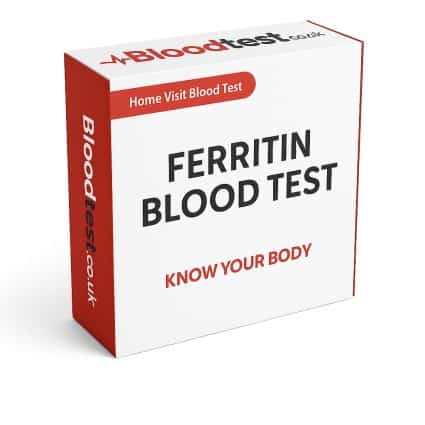

Individuals can access a range of clinics and hospitals in Cheltenham, including the Cheltenham General Hospital and various GP practices. These facilities are equipped to conduct blood tests efficiently, enabling residents to conveniently monitor their iron levels as part of their overall health management.
How to Schedule Your Iron Test Appointment
To arrange an appointment for an iron test, patients should contact their GP surgery directly. It is essential to follow any specific instructions, such as fasting before the test, as this can greatly enhance the accuracy of the results. Be sure to bring an identification document to facilitate a smooth registration process at your chosen facility.
While booking your appointment, it is advisable to inquire about the availability of time slots and any specific preparations required prior to the test. This proactive approach ensures that you are adequately prepared, paving the way for a seamless testing experience without complications.
What Preparations Are Necessary Before the Test?
Proper preparation for an iron deficiency blood test is vital for obtaining reliable results. Individuals are advised to avoid certain foods and supplements, particularly those high in iron, for at least 24 hours before the test. This includes avoiding iron-rich meals, such as red meat and fortified cereals, as well as vitamin supplements that may affect the readings.
It is also crucial to inform your healthcare provider about any medications you are currently taking. Some medications can influence iron levels, and providing this information will help ensure that test results are interpreted accurately in the right context.
Insights from Experts on Iron Deficiency Blood Tests in Cheltenham
Positive Patient Outcomes from Local Clinics
Healthcare professionals in Cheltenham have observed significant improvements in patient outcomes due to the early detection of iron deficiency. For example, patients diagnosed with low iron levels have successfully made targeted dietary changes, resulting in increased energy levels over several weeks of monitoring.
Local clinics often share success stories where patients, upon receiving their results, modified their diets to include more iron-rich foods like spinach and lentils, leading to noticeable enhancements in their overall vitality and health.
Recommendations from Professionals on Local Iron Testing Protocols
Healthcare experts in the region routinely evaluate existing guidelines regarding iron testing to optimise health management in Cheltenham. They recommend that routine health check-ups incorporate iron level assessments, particularly for individuals at risk of deficiency, such as those following restrictive diets or managing chronic health conditions.
The timing of tests is crucial; they are most effective when included in regular health evaluations, allowing for early detection of potential issues. This proactive strategy enables timely interventions and personalised care plans tailored to individual needs.
Proactive Measures for Residents of Cheltenham
Cheltenham residents should remain vigilant to symptoms associated with iron deficiency, such as fatigue or weakness, and seek guidance from their healthcare providers without delay. Early consultations can expedite investigations and prevent unnecessary delays in diagnosis and treatment.
Experts recommend maintaining open communication with healthcare professionals regarding any concerns about iron levels or related symptoms. This dialogue can facilitate timely blood tests and ensure that residents receive appropriate care based on their unique health profiles.
Essential Steps to Take Before Your Iron Test
Recommended Dietary Adjustments
In preparation for an iron deficiency blood test, implementing specific dietary changes is advisable. Avoid consuming iron-rich meals and vitamin supplements for at least 24 hours prior to the test to ensure that the blood sample accurately reflects true levels.
This preparation helps eliminate any external factors that could skew the results, allowing healthcare professionals to make informed decisions based on the most reliable data available.
Discussing Your Medical History with Your Provider
Engaging in a discussion about your medical history with your healthcare provider is a crucial step before testing. This conversation provides context for the test results and helps identify any factors that may affect iron absorption in your body.
Conditions such as gastrointestinal disorders or prior surgeries can influence how your body processes iron. Sharing this information enables healthcare providers to interpret results with greater accuracy and offer personalised recommendations.
Selecting the Best Time for Your Appointment
Choosing an appropriate time for your appointment can significantly affect the reliability of the test results. Morning slots are often recommended, as they align with natural body rhythms and tend to yield more consistent outcomes.
Scheduling your appointment early in the day can help reduce waiting times and ensure prompt attention from healthcare staff, making the entire process smoother and more efficient.
Evidence-Based Benefits of Iron Deficiency Blood Tests in Cheltenham
Advantages of Early Detection
Regular blood tests for iron deficiency provide the critical advantage of early detection. Identifying issues before they escalate allows for better long-term health through timely interventions available locally in Cheltenham.
By recognising deficiencies early, healthcare providers can deliver tailored advice and treatment plans that prevent complications, ultimately leading to improved health outcomes and a higher quality of life for patients.
Creating Personalised Treatment Plans
The outcomes of blood tests inform healthcare professionals in formulating personalised treatment plans for individuals in Cheltenham. These strategies may include specific dietary advice or supplements tailored to meet each patient’s unique needs.
These targeted approaches ensure individuals receive the necessary support to effectively address deficiencies, fostering a quicker recovery and a return to optimal health.
Enhancing Quality of Life
Promptly addressing iron deficiencies often leads to increased vitality and reduced fatigue, empowering individuals to engage more fully in daily activities. Patients frequently report heightened energy levels and improved overall wellbeing following appropriate treatment.
This enhancement impacts not only physical health but also positively influences mental and emotional wellbeing, allowing individuals to participate in work, family, and social activities with renewed enthusiasm.
Supporting Evidence from Research Studies
Numerous studies indicate that regular blood tests for iron deficiency contribute to better health management. Data collected from various UK regions, including Cheltenham, suggest that early nutritional adjustments resulting from timely testing have significantly decreased hospital visits and enhanced patient outcomes.
These findings emphasise the importance of proactive health monitoring and the role of local healthcare services in promoting better wellbeing through early detection and intervention.
Understanding the Testing Process in Local Clinics
Methods of Sample Collection
In Cheltenham, a small blood draw from the arm is the standard method for sample collection. Qualified healthcare personnel ensure comfort and hygiene throughout this brief procedure, making it a straightforward experience for patients.
The collection process typically takes only a few moments, allowing patients to resume their daily activities shortly thereafter, with minimal disruption to their routine.
Laboratory Analysis of Samples
Once collected, samples are dispatched to accredited laboratories within the UK for comprehensive analysis. These laboratories assess key indicators such as ferritin and haemoglobin levels, providing healthcare professionals with crucial data for diagnosis and treatment planning.
The accuracy of laboratory analyses is paramount, as it directly affects the interpretation of results and subsequent healthcare decisions.
Expected Timeline for Results
Patients can anticipate receiving notifications about their test results within a few days through secure communication channels from their clinic. This timely feedback allows for the scheduling of follow-up consultations, enabling healthcare providers to address any concerns arising from the results.
Quick access to results is essential for effective health management, empowering patients to make informed decisions about their care.
Effective Strategies for Iron Deficiency Blood Tests in Cheltenham
Key Benefits of Regular Monitoring
Consistent monitoring of iron levels offers several key benefits, including:
- Early identification of deficiencies
- Personalised treatment plans
- Enhanced overall health management
- Reduced risk of complications
- Improved quality of life
Regular testing supports continuous health tracking, facilitating timely adjustments to treatment plans and dietary recommendations when necessary.
Integrating Community Health Initiatives
Incorporating iron tests with local wellness programmes can foster a holistic approach to health in Cheltenham. These initiatives often blend medical assessments with lifestyle support, encouraging individuals to adopt healthier habits alongside regular monitoring.
Community programmes may include workshops or resources centred on nutrition, exercise, and holistic wellness, creating a supportive environment for residents to collectively enhance their health.
Engaging in Professional Consultations
Scheduling follow-up appointments with specialists to discuss blood test findings is essential for effective health management. In Cheltenham, patients are encouraged to engage in follow-up consultations to plan subsequent steps based on their results.
These consultations provide an opportunity for individuals to ask questions, address concerns, and receive personalised advice on effectively managing their iron levels.
What Follow-Up Care Is Available After Receiving Results?
Advice on Dietary Recommendations
Upon receiving results from an iron deficiency test, nutritionists may recommend incorporating iron-rich foods into your diet. Common suggestions include leafy greens, lean meats, beans, and fortified cereals, tailored to British dietary preferences and availability.
These dietary modifications aim to naturally elevate iron levels and support overall health, ensuring individuals maintain optimal wellbeing.
Further Investigations If Needed
If initial results raise further concerns, additional investigations may be necessary. This may involve further tests, such as vitamin panels, to evaluate other nutritional deficiencies that could impact iron absorption.
Such comprehensive evaluations enable healthcare providers to gain a more holistic understanding of a patient’s health, ensuring that all relevant factors are included in their care plan.
Ongoing Monitoring for Progress
Regular follow-up appointments are critical for tracking improvements after treatment for iron deficiency. Residents in Cheltenham should be encouraged to maintain check-ups to ensure that iron levels stabilise with prescribed treatments from local providers.
Continuous monitoring assists in identifying the need for adjustments in treatment or dietary recommendations, promoting sustained health improvements over time.
Selecting the Right Provider in Your Area
Assessing Provider Reputation
When choosing a provider for iron testing in Cheltenham, it is essential to evaluate the clinic’s reputation. Look for facilities with positive feedback from local patients, highlighting reliability and high standards of patient care.
Researching online reviews and patient testimonials can provide valuable insights into others’ experiences, helping you make an informed choice.
Ensuring Service Accessibility
Prioritising clinics with convenient locations and flexible hours is vital for accommodating appointments around work and family commitments. Many clinics in Cheltenham offer extended hours or weekend slots, making it easier to access necessary care.
Accessibility can significantly influence a patient’s willingness to pursue regular testing, so consider this factor carefully when selecting a provider.
Understanding Cost Implications
Comparing fees for private services with NHS options is an important step in selecting affordable yet quality services nearby. While NHS services are generally free at the point of use, some patients may choose private providers for quicker access or additional services.
Understanding the financial implications of various options will help you select a provider that meets both your health needs and budget.
Verifying Staff Qualifications
Before finalising your decision, ensure that the provider’s team possesses relevant qualifications, certifications, and a proven record of successful treatments. This guarantees that you receive expert care tailored to your needs from reputable local services in Cheltenham.
Assessing staff expertise can provide peace of mind, knowing that you are in capable hands as you navigate your health journey.
Frequently Asked Questions
What symptoms might indicate iron deficiency?
Common symptoms include fatigue, weakness, pale skin, shortness of breath, and dizziness. Some individuals may also experience headaches or cold extremities.
How often should I have my iron levels checked?
It is advisable to monitor your iron levels annually, or more frequently if you have risk factors such as dietary restrictions or chronic health conditions.
Is a referral necessary for an iron test?
Generally, a referral from your GP is required for NHS tests. Private clinics may provide testing without a referral.
Which foods can help increase iron levels?
Iron-rich foods include red meat, poultry, fish, lentils, beans, tofu, and dark leafy greens. Pairing these foods with sources of vitamin C can enhance iron absorption.
Is fasting required before an iron test?
Fasting may be necessary depending on your healthcare provider’s instructions. It is best to confirm with your GP when scheduling your appointment.
What is the typical timeframe for receiving test results?
Test results are usually available within a few days. Your clinic will notify you through secure channels once the results are ready.
What should I do if my iron levels are low?
If your iron levels are low, consult your healthcare provider for a personalised treatment plan. This may involve dietary changes or iron supplements.
Are there any risks associated with blood tests?
Blood tests are typically safe, with minimal associated risks. Some individuals may experience slight bruising or discomfort at the site where blood is drawn.
Can I take supplements before my test?
It is advisable to avoid taking iron supplements for at least 24 hours prior to your test to ensure accurate results. Always consult your healthcare provider for specific guidance.
What happens during the blood draw procedure?
A healthcare professional will clean the area, apply a tourniquet, and insert a needle to collect a small blood sample. The process is quick and typically causes minimal discomfort.
Visit our Facebook profile for more information!
This Article Was First Found On https://bloodtest.co.uk
The Article Iron Deficiency Blood Test: Expert Guidance in Cheltenham found first on https://electroquench.com