Understand the Critical Importance of Ferritin Blood Testing in Mansfield
What is ferritin, and why is it essential for your health?
Private Ferritin Blood Test in Mansfield: Ferritin is a critical protein responsible for storing iron in the bloodstream, which is essential for sustaining optimal energy levels and enhancing the immune system throughout the UK. When ferritin levels are insufficient, it may indicate iron deficiency, potentially leading to significant health problems such as anaemia. Residents of Mansfield have convenient access to ferritin testing through NHS services, facilitating early detection and effective management of these deficiencies to promote overall health and wellbeing. Early intervention can mitigate the risks associated with low iron levels, ensuring individuals maintain their vitality and health.
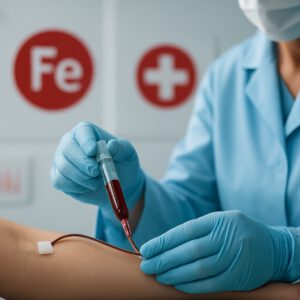

The testing process typically involves a straightforward blood draw at local clinics, ensuring that it is both accessible and uncomplicated for the community, fostering a proactive approach to health management. By making testing readily available, residents are encouraged to actively monitor their health, which is a crucial step in preventing serious health issues related to iron deficiency.
Common symptoms of low ferritin levels include:
- Fatigue and weakness
- Pallor or pale skin
- Shortness of breath during physical activities
- Heart palpitations
- Dizziness or lightheadedness
- Cold extremities
- Restless legs syndrome
- Brittle nails
Recognising these symptoms is critical for community health, as many individuals may remain unaware of the importance of ferritin levels until they encounter more severe health challenges, underscoring the necessity for awareness and education regarding iron health. By educating the public about these symptoms, healthcare providers can help individuals seek timely testing and treatment, ultimately leading to better health outcomes.
How does ferritin testing offer distinct insights compared to other blood tests?
Ferritin testing is unique in that it specifically evaluates the body’s iron stores, contrasting with general blood tests, such as complete blood counts, which assess a wider array of blood components. In Mansfield, general practitioners often recommend ferritin testing for patients suffering from unexplained fatigue or symptoms indicative of iron deficiency. This targeted method allows healthcare professionals to obtain precise results, effectively guiding customised treatment plans without the need for fasting, making it both convenient and efficient. An accurate assessment of iron levels is crucial for developing appropriate dietary and health strategies tailored to each individual’s needs.
Moreover, unlike other tests that provide a more general overview, ferritin tests deliver focused insights into iron metabolism. Patients can typically expect a quick turnaround for results, allowing general practitioners to make timely and informed decisions about patient care. This specificity is essential, considering that untreated iron deficiency can lead to a range of complications. Therefore, regular ferritin testing becomes a fundamental aspect of proactive health management strategies throughout the UK, ensuring that iron levels are adequately monitored and addressed.
The essential need for routine ferritin monitoring in the UK
Regular monitoring of ferritin levels is vital for preventing iron deficiency, a prevalent concern among residents in Mansfield, influenced by various dietary habits and lifestyle choices. British health guidelines advocate for annual ferritin checks for at-risk groups, including pregnant women, vegetarians, and individuals with chronic health conditions or heavy menstrual bleeding. Consistent testing promotes overall health and wellbeing, empowering individuals to make informed dietary and lifestyle decisions that positively impact their health. By prioritising regular checks, communities can work together to address and manage iron deficiency effectively.
In Mansfield, local healthcare initiatives emphasise the importance of these tests. By identifying ferritin deficiency early on, residents can take proactive measures to enhance their iron levels through dietary modifications or supplementation, as advised by healthcare professionals. This preventive strategy not only improves individual health outcomes but also contributes to the overall health of the community, fostering a culture of health awareness and responsibility. Regular checks empower patients with knowledge about their health, allowing them to manage their conditions effectively and prevent potential complications.
Key Preparations for Your Ferritin Blood Test in Mansfield
What crucial preparations should patients undertake prior to the test?
Preparing for a ferritin blood test in Mansfield is relatively straightforward and primarily focused on ensuring the accuracy of the results. Patients are advised to avoid taking iron supplements or multivitamins containing iron for at least 24 hours before the test. This precaution helps eliminate any potential interference that these supplements might cause on the test results, thereby ensuring a more precise evaluation of the body’s actual iron stores. By adhering to these guidelines, patients can significantly enhance the reliability of their results.
In addition to refraining from supplements, patients should consult their local healthcare providers for any specific instructions tailored to their health conditions. This preparatory step not only alleviates anxiety but also supports effective diagnosis by adhering to standard NHS protocols. Ensuring that patients are well-informed about these requirements can lead to a smoother testing experience, minimising the likelihood of retesting due to inaccurate results, and promoting confidence in the process. Engaging in thorough preparation is vital for achieving optimal health outcomes.
What common preparations are necessary to ensure accurate results?
To achieve the most accurate results from a ferritin blood test, patients in Mansfield are encouraged to stay well-hydrated before their appointment. Proper hydration is vital as it facilitates the blood draw process, making veins more prominent and easier to access, thus ensuring that the sample collection is efficient and comfortable. Additionally, adequate hydration helps minimise discomfort during the blood draw, which is critical for enhancing the patient experience and encouraging ongoing engagement with health monitoring. Staying hydrated not only aids the procedure but also contributes to overall health and wellbeing.
Patients should also be mindful of the importance of informing their general practitioner about any recent illnesses or medications they are currently taking. Certain medications can skew ferritin results, potentially leading to misinterpretations. By diligently following these preparations, patients can significantly improve the accuracy of their test results, reinforcing their role in managing their health effectively and proactively. Clear communication with healthcare providers is essential in this regard, as it helps ensure a comprehensive understanding of individual health contexts.
What potential factors could influence test outcomes?
Several factors can potentially affect the outcomes of a ferritin blood test in the UK, particularly in Mansfield. Recent illnesses, such as infections or inflammatory conditions, can lead to fluctuations in ferritin levels. For instance, when the body is combating an infection, ferritin levels may temporarily rise as part of the acute phase response. Conversely, chronic illnesses can result in lower ferritin levels, complicating the interpretation of results and necessitating careful analysis by healthcare professionals. Understanding these factors allows for more accurate assessments and informed treatment plans.
Furthermore, certain medications can impact ferritin measurements, including those prescribed for chronic conditions or even over-the-counter pain relievers. Therefore, patients must provide their GP with a comprehensive list of medications and any health changes prior to the test. This transparency allows healthcare providers to accurately interpret the results and make informed decisions regarding follow-up testing or treatment strategies, ensuring that patients receive the most appropriate care. Being proactive about one's health history is crucial for effective management.
How can residents conveniently schedule a ferritin blood test in Mansfield?
Scheduling a ferritin blood test in Mansfield is straightforward for residents, primarily through GP appointments. Patients can book their tests directly via their GP surgery or utilise the NHS online portals for added convenience, making the process accessible and user-friendly. This method allows for flexibility in selecting a time that best suits individual schedules, thereby reducing the stress often associated with seeking medical care. Making appointments easy to book encourages greater community engagement with health services.
Once an appointment is confirmed, patients should prepare by noting any specific instructions provided by their healthcare provider. This proactive step ensures a smooth experience on the day of the test, helping to alleviate any potential waiting times for results. Additionally, efficient scheduling through local clinics can significantly enhance access to necessary healthcare services, reinforcing the importance of regular health monitoring for all residents and ensuring their health remains a priority. By fostering a culture of health awareness, the community can work towards better health outcomes.
Expert Insights on the Ferritin Blood Test in Mansfield


Why is ferritin testing crucial for specific populations?
Ferritin testing is particularly vital for vulnerable groups in Mansfield, including pregnant women, young children, and individuals with chronic illnesses. For instance, pregnant women often experience increased iron requirements as their bodies support both maternal and fetal health. Early identification of iron deficiency through ferritin testing enables healthcare professionals to provide tailored advice and interventions, significantly mitigating the risk of complications for both mother and child. Ensuring that these populations receive consistent monitoring is essential for maintaining optimal health.
Local studies in Mansfield have underscored the importance of early screening for these populations, demonstrating that regular ferritin monitoring can enhance health outcomes. By addressing deficiencies proactively, healthcare providers can implement dietary recommendations or iron supplementation plans, ensuring better overall health management for these vulnerable groups. This targeted approach illustrates the significance of ferritin testing in safeguarding the wellbeing of community members. Public health campaigns can further raise awareness about the importance of ferritin monitoring for these demographics.
What is the connection between ferritin levels and overall health in the UK?
Expert insights reveal a strong correlation between low ferritin levels and various chronic health conditions. Research conducted in Mansfield and across the UK suggests that individuals with low ferritin may face a higher risk for conditions such as chronic fatigue syndrome, cardiovascular diseases, and even certain neurological disorders. Understanding this link allows GPs to recommend ferritin testing as part of comprehensive care strategies, particularly for patients who exhibit symptoms indicative of these conditions. This proactive approach can lead to earlier interventions and improved patient outcomes.
British medical journals increasingly advocate routine ferritin checks for individuals with chronic illnesses, recognising that early detection can lead to more effective symptom management and improved overall health outcomes. This evidence-based approach underscores the critical importance of ferritin monitoring as a key component of comprehensive patient care, empowering individuals to take charge of their health proactively. Community health initiatives can play a significant role in promoting awareness of these connections.
What advanced considerations should be made for ferritin monitoring?
Ongoing ferritin surveillance is becoming an integral part of healthcare initiatives in Mansfield, where customised monitoring plans based on individual risk factors are being developed. This personalised approach is essential for enhancing long-term wellness strategies, particularly for those at risk of developing iron-related disorders. Such strategies often incorporate lifestyle modifications, dietary adjustments, and, when necessary, supplementation to mitigate deficiencies. Tailoring these plans ensures that individuals receive the most relevant and effective interventions.
Healthcare professionals are encouraged to engage patients in discussions about their ferritin levels, fostering an environment where individuals feel empowered to ask questions and seek clarification about their health. By addressing personal health variables and potential lifestyle impacts, healthcare providers can offer customised recommendations that align with each patient’s unique circumstances. This advanced level of patient care not only improves health outcomes but also fosters a sense of community responsibility towards health management in Mansfield, encouraging collective efforts to enhance public health.
Research-Backed Advantages of Ferritin Blood Testing in Mansfield
What evidence supports the necessity of ferritin testing?
Research conducted throughout the UK has consistently demonstrated that ferritin testing is an effective mechanism for detecting iron-related issues. Studies from national health institutes underline its utility in identifying deficiencies early, allowing for timely and appropriate interventions. This proactive approach significantly aids patients in managing symptoms associated with low iron levels, ultimately enhancing their overall quality of life and health. Regular testing has proven to be a key factor in preventing severe health complications related to iron deficiency.
Benefits linked to regular ferritin testing include:
- Improved energy levels and reduction of fatigue
- Early detection of iron deficiency before it escalates
- Better management of chronic health conditions
- Enhanced quality of life through targeted treatment
- Informed dietary recommendations
- Reduced healthcare costs associated with advanced treatments
- Increased awareness of personal health
- Encouragement of preventive health behaviours
This extensive body of evidence advocates integrating ferritin testing into routine healthcare practices in Mansfield, reinforcing its critical role in fostering a healthier population. By promoting regular testing, healthcare systems can effectively address iron deficiency at the community level.
How does ferritin testing contribute to preventive healthcare?
Ferritin testing plays a pivotal role in preventive healthcare by enabling healthcare providers in the UK to identify deficiencies before they worsen. In Mansfield, local clinics utilise evidence from community studies to advocate for preventive measures, ensuring better health outcomes for residents. By detecting iron deficiencies early, healthcare professionals can implement lifestyle changes, dietary enhancements, or supplementation strategies to improve individual health and prevent more severe health issues. This proactive approach is essential in fostering a culture of health awareness.
The emphasis on prevention rather than reaction is a fundamental aspect of modern healthcare in the UK. Through regular ferritin testing, clinicians can shift the focus from merely managing symptoms to maintaining optimal health, contributing to a more sustainable healthcare model. This proactive approach not only benefits individual patients but also alleviates pressures on healthcare resources by reducing the necessity for more intensive treatments in the future. Community engagement is key to promoting these preventive measures.
What long-term benefits arise from consistent ferritin testing?
In Mansfield, the long-term advantages of regular ferritin checks are becoming increasingly evident. Research indicates that consistent monitoring leads to sustained health improvements, as promptly addressing iron imbalances prevents the onset of serious health complications. For instance, individuals with chronic conditions who undergo regular ferritin assessments are better equipped to manage their symptoms effectively, thereby enhancing their overall quality of life. This proactive management is essential for maintaining overall health.
Moreover, these routine tests foster a culture of awareness and health literacy within the community. As individuals become more conscious of their ferritin levels, they are motivated to adopt healthier lifestyle choices, such as improved nutrition and increased physical activity. This holistic approach to health promotes individual wellbeing while contributing to the broader goal of enhancing health standards across the community in Mansfield. Public health initiatives can further support this culture of awareness.
How does ferritin testing assist in managing chronic conditions?
Ferritin testing has proven invaluable in managing chronic illnesses like anaemia, particularly in Mansfield. Research indicates that by enabling targeted treatments, ferritin testing can significantly reduce hospital admissions and improve patients’ quality of life. For example, individuals diagnosed with anaemia who receive regular ferritin checks are better positioned to manage their condition through informed dietary adjustments or iron supplementation as advised by their healthcare provider. This systematic approach is essential for effective management of chronic conditions.
This alignment with NHS guidelines underscores the importance of ferritin testing in the broader context of chronic disease management. By facilitating early detection and tailored interventions, healthcare professionals can mitigate the impact of chronic conditions on patients’ lives. Furthermore, as awareness of ferritin’s role in overall health increases, it becomes a fundamental aspect of proactive healthcare strategies throughout the UK, benefiting both individuals and the healthcare system.
What economic and accessibility benefits does ferritin testing offer in the UK?
Economic studies within the UK healthcare framework highlight that ferritin testing is not only cost-effective but also essential for ensuring accessible healthcare. In Mansfield, ferritin tests are frequently provided free of charge through NHS services for eligible patients, allowing residents to prioritise their health without financial constraints. This accessibility ensures that a wider population can benefit from preventive care, ultimately reducing healthcare costs linked to advanced illnesses. By making testing available to all, communities can work together to improve public health.
The economic advantages of early detection through ferritin testing extend beyond individual patients. By preventing the escalation of iron deficiency and related health issues, the burden on healthcare systems is alleviated, enabling more efficient resource allocation. This systemic approach promotes equitable healthcare access and fosters a healthier, better-informed community in Mansfield, underscoring the essential role of ferritin testing in contemporary health management. Public health campaigns can enhance awareness of these benefits.
What to Expect During Your Ferritin Blood Test?


Is the procedure uncomfortable or painful?
In UK settings like Mansfield, the ferritin blood test is designed to minimise discomfort. Patients can expect a quick prick of the needle, which typically lasts only a moment. Healthcare professionals are trained to employ local techniques that ensure the process is as seamless as possible, often providing immediate reassurance to alleviate any concerns regarding discomfort during the procedure. The focus on patient comfort is paramount in encouraging individuals to engage with their health.
Most patients report experiencing only a slight pinch, if anything at all. The overall experience is frequently described as straightforward and efficient, with care taken to ensure that the environment remains calm and supportive. This focus on patient comfort is crucial for encouraging individuals to proactively engage with their health and seek necessary testing without apprehension. A positive testing experience can lead to increased participation in routine health checks.
How long does the entire ferritin testing process take in the UK?
Generally, a ferritin test in Mansfield takes about 5-10 minutes, including any necessary waiting time at clinics. This efficient scheduling process is a hallmark of the UK’s healthcare system, designed to minimise disruptions in patients’ daily routines. The test’s rapid nature enables patients to return to their usual activities quickly, making it a convenient option for those with busy lifestyles. Additionally, the focus on efficiency encourages more individuals to engage with routine health checks.
Moreover, the swift turnaround of results further enhances the overall experience, as patients can expect to receive feedback promptly. This efficiency is essential for enabling prompt healthcare decisions and interventions, ultimately contributing to better health outcomes for individuals within the community. The quick processing of results reinforces the importance of timely health management.
What occurs after the blood sample is collected?
Once the blood sample is collected in Mansfield, it is sent to NHS laboratories for analysis, where it is typically tested to determine ferritin levels. Patients can expect results to be available within a few days, and their GP will discuss the outcomes during a follow-up appointment. This follow-up is crucial, as it enables healthcare providers to outline next steps based on the individual’s ferritin levels and overall health status. Engaging in this follow-up reinforces the importance of monitoring iron levels in maintaining good health.
Patients are encouraged to prepare questions for their GP during this follow-up, especially if results indicate any abnormalities. Clear guidance on necessary lifestyle changes, dietary recommendations, or treatment options will be provided to ensure patients receive comprehensive support for effective health management. This post-test engagement reinforces the importance of ferritin monitoring in maintaining overall wellbeing and encourages ongoing health discussions.
Are there any potential risks associated with the test?
In the UK, settings such as Mansfield, ferritin blood tests carry minimal risk. The most common complications, such as bruising or infection at the needle site, are rare and generally manageable. Healthcare professionals adhere to strict protocols to minimise these risks, ensuring that patients receive safe and effective care throughout the testing process. This commitment to safety is crucial for fostering confidence in the healthcare system.
Additionally, pre-test assessments often include discussions of potential concerns, helping to alleviate patient anxiety further. During the procedure, clinicians monitor for any immediate reactions and provide guidance on aftercare to ensure a smooth recovery. This emphasis on patient safety is central to the delivery of healthcare services in the UK, instilling confidence in residents regarding their health management. Community outreach can further enhance understanding of these safety protocols.
Accessing Ferritin Blood Test Services in Mansfield
Where can residents conveniently book a ferritin blood test?
In Mansfield, residents can conveniently book ferritin blood tests at local NHS centres or private clinics. This accessibility ensures patients can schedule appointments that align with their preferences, whether by phone or through online booking systems. The NHS infrastructure in Mansfield is designed to accommodate a variety of healthcare needs, making it straightforward for individuals to access the services they require. This ease of access promotes greater community engagement with health services.
Additionally, local clinics often provide comprehensive information on their websites about available testing services, helping patients understand the process and prepare adequately for their appointments. This user-friendly approach reinforces the commitment to patient-centred care, ensuring that all residents can prioritise their health without unnecessary barriers. Increased transparency about services can lead to better health outcomes for the community.
What is the cost of the ferritin test in the UK?
Ferritin testing in Mansfield is frequently offered free of charge through NHS services for eligible patients, making it an economically prudent option for managing health needs. Those not eligible for NHS coverage may still access ferritin testing at a low cost through private clinics, ensuring that financial concerns do not hinder individuals from prioritising their health and wellbeing. This economic accessibility encourages proactive health management among residents.
This approach aligns with the UK’s commitment to equitable healthcare access, allowing a broad spectrum of the population to benefit from preventive measures without incurring significant expenses. The affordability of ferritin testing reinforces its importance in effective health management strategies, encouraging residents to seek necessary assessments regularly and maintain better health. Public health initiatives can further advocate for the importance of these accessible services.
What follow-up options are available after results are received?
If ferritin levels are found to be abnormal in Mansfield, UK, doctors offer comprehensive follow-up consultations to discuss potential treatment options. These discussions are vital, as they outline the necessary steps to address any deficiencies and ensure that patients receive ongoing support for effective health management. This supportive approach fosters trust between patients and healthcare providers, encouraging open communication.
Healthcare providers may recommend dietary changes, supplementation, or additional testing to monitor ferritin levels over time. This multifaceted approach underscores the importance of personalised care, enabling individuals to take proactive steps to improve their health outcomes. Furthermore, continuous communication with healthcare professionals fosters a supportive environment, empowering patients to manage their health effectively and confidently. This ongoing dialogue is essential for fostering a culture of health awareness in the community.
How should patients prepare for a ferritin blood test in Mansfield?
In Mansfield, patients preparing for a ferritin blood test should adhere to NHS guidelines, which may include fasting for 8-12 hours beforehand. Additionally, it is essential to avoid certain medications as instructed, as this helps ensure accurate results. By following these preparations, patients can facilitate a straightforward procedure that effectively monitors their health, leading to better management of any detected issues. Proper preparation is key to achieving reliable testing outcomes.
Individuals should confirm any specific instructions from their healthcare provider, as these may vary depending on their personal health conditions. Proper preparation not only enhances the accuracy of test outcomes but also contributes to a more efficient healthcare experience, allowing for timely management of any identified issues and improving overall health. Engaging with healthcare professionals is essential for ensuring all necessary steps are taken.
What does the procedure for a ferritin blood test entail?
The ferritin blood test in Mansfield typically involves a quick blood sample taken by a trained professional at a local clinic or NHS centre. The process is designed to be minimally invasive, with healthcare providers ensuring that patients remain comfortable throughout. Following the blood draw, results are processed swiftly, enabling timely feedback to support effective health management and treatment. This focus on efficiency is crucial for encouraging ongoing health monitoring.
Patients can expect clear communication about the procedure, including what to expect during the blood draw and how results will be communicated. This transparency helps reassure individuals, encouraging them to engage with their health and proactively seek necessary interventions for their wellbeing and vitality. By fostering an open dialogue, healthcare providers can enhance patient confidence in the testing process.
Frequently Asked Questions (FAQs)
What is a ferritin blood test?
A ferritin blood test measures ferritin, a protein that stores iron in the body, to assess iron levels and identify potential deficiencies. This test is crucial for understanding an individual's iron status and guiding appropriate treatment strategies.
How is a ferritin blood test performed?
The test involves a simple blood draw from a vein, typically in the arm, conducted by a healthcare professional at a clinic or hospital. This straightforward procedure is designed to be quick and efficient, minimising any discomfort for the patient.
Why would my doctor recommend a ferritin test?
A doctor may suggest a ferritin test to investigate symptoms of fatigue, weakness, or to monitor conditions related to iron metabolism, ensuring comprehensive patient care. This targeted approach allows for early identification and management of potential health issues.
How long does it take to receive ferritin test results?
Results from a ferritin blood test are generally available within a few days, with follow-up consultations scheduled to discuss findings and next steps. This timely feedback is essential for making informed health decisions and adjustments.
Are there any risks associated with the ferritin blood test?
The risks are minimal, with the most common issues being slight bruising or discomfort at the needle site, which are generally rare and manageable. Healthcare professionals take necessary precautions to ensure patient safety throughout the process.
What should I avoid before the test?
Patients are advised to avoid iron supplements and certain medications for 24 hours before the test to ensure accurate results, contributing to effective health management. This preparation is key to obtaining reliable data for assessing iron status.
How often should ferritin levels be checked?
The frequency of testing depends on individual health conditions, but annual checks are recommended for at-risk groups in the UK to promote proactive health monitoring. Regular assessments can help manage potential deficiencies before they escalate.
Can I get a ferritin test privately?
Yes, ferritin tests can be obtained privately at various clinics in Mansfield, usually at a low cost if not eligible for NHS coverage, ensuring accessible healthcare. This option allows individuals to prioritise their health without financial barriers.
What happens if my ferritin level is low?
Low ferritin levels may indicate iron deficiency; your doctor will discuss treatment options such as dietary changes or iron supplementation, guiding you towards improved health. This early intervention is crucial for preventing complications.
Is fasting required for the ferritin test?
Fasting is not always required, but it may be recommended based on your specific health circumstances, so it is best to consult your doctor for personalised advice. This ensures that testing is conducted under optimal conditions for accuracy.
Join our community on Facebook!
This Article Was First Found On https://bloodtest.co.uk
The Article Ferritin Blood Test: Essential Information for Mansfield Residents found first on https://electroquench.com