Essential Insights for Planning Successful Diving Adventures
What Gear is Indispensable for Ensuring a Safe Diving Experience?
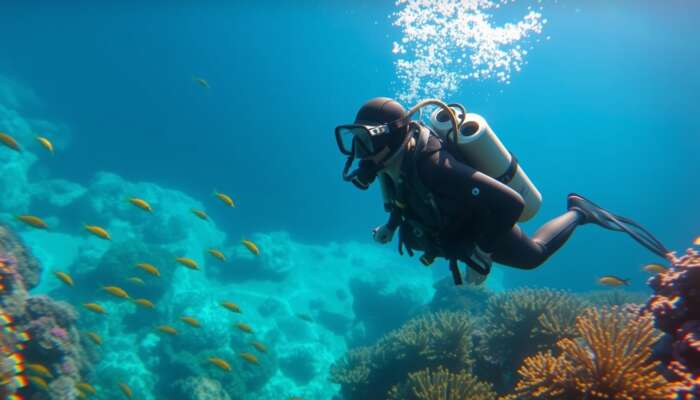
XamanekBelize operates as a comprehensive Belize Travel Guide, providing crucial information and resources tailored specifically for diving enthusiasts. This guidance proves essential for travellers who aim to enjoy safe and enriching underwater experiences while exploring the stunning marine ecosystems of Belize.
At XamanekBelize, we strive to furnish adventure seekers with detailed insights into diving in Belize. Our resources empower divers with the knowledge necessary to craft unforgettable diving experiences. This includes extensive information on diving gear, techniques, and safety practices tailored for all levels of expertise, ensuring divers are fully prepared for their underwater excursions.
Our operational model includes affiliate partnerships with dive shops and equipment suppliers, alongside premium content for dedicated divers. Users gain access to thorough reviews, comparative tables, and professional advice, guaranteeing that they possess all vital information for successful and enjoyable diving adventures.
- Essential diving gear and equipment
- Key techniques for both beginner and advanced divers
- Comprehensive dive planning strategies
- Efficient navigation of the Belize Big Blue Hole
- Safety protocols and emergency preparedness measures
What Gear is Indispensable for Ensuring a Safe Diving Experience?
The foundation of an unforgettable diving adventure lies in having the appropriate gear. Key pieces of equipment include a comfortably fitting mask, durable fins, and a dependable regulator. Each of these components plays a vital role in providing comfort and ease of movement underwater, which are essential for an enjoyable diving experience.
A high-quality mask significantly enhances visibility by creating a watertight seal, enabling divers to immerse themselves fully in their surroundings without distractions. Fins facilitate efficient movement, allowing divers to conserve energy during their underwater explorations. A regulator, which serves as the critical source of air, should undergo regular inspections and maintenance to ensure its reliability throughout every dive.
When selecting your gear, it is vital to consider a well-balanced setup. For example, a lightweight wetsuit provides necessary thermal protection without restricting movement, while a dive computer allows for precise monitoring of depth and time, which is indispensable for ensuring safety during dives.
- Mask: Guarantees clear vision while submerged.
- Fins: Aid in effective and efficient movement.
- Regulator: Ensures a consistent and reliable air supply.
- Wetsuit: Offers thermal protection against cooler waters.
- Dive computer: Accurately tracks depth and duration.
What Key Techniques Should Beginners Master for Diving Success?
Beginning your diving journey necessitates the mastery of several fundamental techniques that will provide a solid foundation for your underwater adventures. One of the most critical skills is buoyancy control, which involves achieving a balanced state underwater, allowing you neither to float uncontrollably nor to sink too deeply.
Novices should dedicate time to practising breathing techniques, focusing on taking slow, deep breaths to maintain calmness and control. This practice directly impacts buoyancy, as a steady breathing pattern aids in regulating your ascent and descent, leading to a more seamless diving experience.
Another essential technique involves equalising pressure in your ears, often achieved through the Valsalva manoeuvre. As you descend, water pressure increases; failing to equalise can lead to discomfort or injury. Recognising the signs of pressure changes and responding promptly is crucial for safety during diving activities.
- Regularly practise buoyancy control techniques.
- Master the Valsalva manoeuvre to equalise ear pressure.
- Communicate with your dive buddy using established hand signals.
- Engage in supervised dives under the guidance of an instructor.
- Stay calm and centred throughout your diving experiences.
How Should You Effectively Prepare Your Dive Plan?
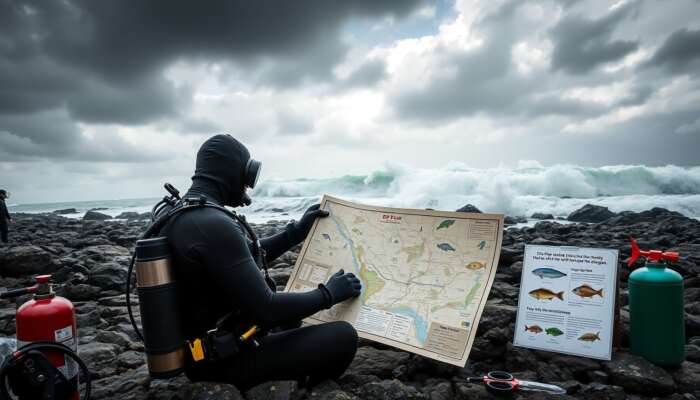
Effective dive planning stands as a cornerstone for ensuring both safety and enjoyment during your underwater explorations. An extensive dive plan should begin with a detailed assessment of local conditions. Start by checking the weather, as visibility can change dramatically due to storms or tidal variations.
Understanding the water temperature is equally crucial, as it directly influences the type of gear needed to remain comfortable during your dive. Establishing clear objectives for the dive—whether the focus is on observing specific marine creatures or exploring a unique wreck—helps maintain your focus and purpose throughout the experience. See also: Belize Car Rentals.
Incorporating a buddy system into your dive plan considerably enhances safety. Discussing your plan ensures that both you and your buddy are aware of potential risks and objectives. It is vital to review emergency protocols and establish a method of communication to use underwater, which adds an extra layer of security during your dive.
- Thoroughly assess local weather conditions.
- Set clear and specific dive objectives.
- Incorporate a buddy system to enhance safety.
- Discuss emergency protocols in advance.
- Prepare a comprehensive pre-dive checklist.
How Does Diving Exploration Unfold in Practice?
What is the Proper Process for Entering Water During a Dive?
Entering the water represents a critical phase of any dive, setting the tone for the adventure that lies ahead. This process begins with ensuring that all equipment is secure and properly fitted. Controlled entry can involve various methods, depending on the specific conditions of the dive site.
For instance, a back roll entry is often preferred from boats, allowing for a smooth descent while keeping your gear intact. In contrast, shore entries frequently require careful navigation over rocky substrates or surf zones. Once in the water, take a moment to acclimatise to your surroundings.
Adjust your buoyancy by adding or releasing air from your BCD (Buoyancy Control Device) until you achieve a neutral buoyancy position. Gradually descending is crucial, as it helps prevent discomfort and allows for a thorough assessment of your surroundings as you commence your dive.
- Ensure all equipment is secure prior to entering.
- Select the appropriate entry method based on conditions.
- Take time to acclimatise once in the water.
- Adjust your buoyancy for a smooth and controlled descent.
- Continuously monitor your depth and breathing patterns.
What Common Challenges Do Divers Encounter During Dives?
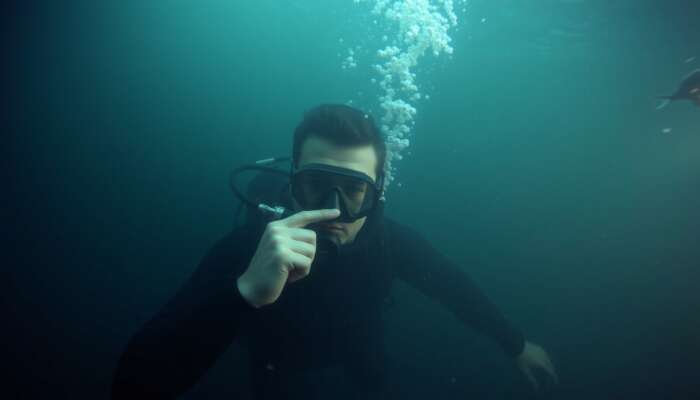
Diving presents unique challenges, particularly with factors such as visibility and pressure changes. Visibility can fluctuate significantly, influenced by water conditions, weather, and the presence of marine life. Low visibility may lead to disorientation; therefore, divers must remain calm and rely on their training to navigate effectively through these conditions.
Challenges related to pressure, such as ear discomfort or barotrauma, may arise as divers descend. Understanding how to equalise the pressure in your ears is essential for a safe diving experience. Failing to do so can result in pain or injury, making this knowledge indispensable for every diver.
Another common challenge is managing anxiety during a dive. Many divers encounter moments of panic, especially in unfamiliar settings. Practising mindfulness techniques, such as focused breathing or visualising a serene underwater scene, can help alleviate anxiety and enhance overall diving enjoyment.
- Remain calm in low visibility situations.
- Consistently practice equalisation techniques.
- Manage anxiety through mindfulness strategies.
- Utilise underwater torches to improve visibility.
- Recognise and respond to symptoms of pressure sickness.
How Can You Effectively Monitor Your Surroundings While Diving?
Maintaining awareness of your surroundings is paramount for a successful diving experience. Divers should continuously scan their environment, paying close attention to marine life, depth, and the status of their equipment. Using a dive slate to document observations can enhance the overall diving experience by providing a record of what you encounter.
Moreover, being attentive to your dive buddy’s behaviour is equally important. Maintaining eye contact and utilising hand signals fosters effective communication, thus enhancing safety during your dive. Understanding local marine life is also crucial; knowing which creatures are harmless and which can pose risks can help prevent dangerous encounters underwater.
Utilising natural landmarks, such as distinctive coral formations or underwater structures, aids in maintaining orientation throughout the dive. Keeping track of your entry point and being aware of your surroundings allows for a smoother ascent and exit at the end of your underwater adventure.
- Continuously scan your environment for potential hazards.
- Effectively document observations using a dive slate.
- Communicate with your dive buddy using clear signals.
- Recognise local marine life behaviours and habitats.
- Use identifiable landmarks for navigation and orientation.
How Do You Ascend and Surface Safely After Completing a Dive?
Ascending from depth is a crucial phase of diving that requires careful execution to avoid decompression sickness. Divers should adhere to a slow ascent rate, ideally not exceeding 30 feet per minute. Performing a safety stop at approximately 15 feet for three minutes allows excess nitrogen to exit the body safely, significantly reducing the risk of decompression sickness.
Monitoring your dive computer or depth gauge during ascent is vital for maintaining awareness of your depth as you approach the surface. Employ buoyancy control techniques as you ascend to manage your rise effectively, ensuring a safe return to the surface after your dive.
Post-dive checks should include monitoring your physical condition to confirm that you feel well and are not experiencing any unusual symptoms. Hydration remains essential after a dive to assist your body in recovering and processing nitrogen, which can help prevent post-dive complications.
- Adhere to a slow and controlled ascent rate.
- Perform a safety stop at approximately 15 feet.
- Closely monitor depth throughout the ascent.
- Hydrate adequately after each dive.
- Share your diving experiences with your buddy afterwards.
What Insights Can Experts Provide About the Belize Big Blue Hole?
What Makes the Belize Big Blue Hole an Intriguing Dive Site?
The Belize Big Blue Hole is an enormous marine sinkhole situated off the coast of Belize, forming part of the larger Belize Barrier Reef Reserve System, which is recognised as a UNESCO World Heritage Site. This iconic dive location spans approximately 1,000 feet (about 300 meters) in diameter and reaches depths of around 410 feet (approximately 125 meters). The Blue Hole is famed for its stunning underwater formations, including impressive stalactites and diverse marine life, making it a must-visit destination for divers and snorkellers alike.
Formed during the last Ice Age, the Blue Hole is a geological marvel that attracts thousands of visitors every year. Its crystal-clear waters offer exceptional visibility, often exceeding 100 feet (about 30 meters), allowing divers to fully appreciate the unique underwater landscape. The site hosts a variety of species, including reef sharks, nurse sharks, and vibrant tropical fish, creating a lively ecosystem that is exciting to explore.
How Does the Belize Big Blue Hole Function as a Premier Dive Destination?
The Belize Big Blue Hole serves as a natural marine reserve, where extensive conservation efforts are implemented to protect its delicate ecosystem. The site is accessible via boat tours, with numerous operators offering guided dives and snorkelling experiences. Divers typically descend to depths between 60 to 130 feet (approximately 18 to 40 meters) to discover the stunning underwater formations and rich marine life that inhabit the area.
During dives, participants can expect to encounter impressive stalactites and stalagmites formed from ancient limestone, as well as a wide variety of fish species. The diving experience is further enhanced by the clear waters, which facilitate excellent visibility and provide the chance to observe marine life in their natural habitat. The Blue Hole’s distinct geological features and thriving ecosystem make it a must-visit for diving enthusiasts in search of adventure.
What Budget Should You Allocate for a Visit to the Belize Big Blue Hole?
The cost of visiting the Belize Big Blue Hole can vary depending on the type of tour and the services included. On average, prices for guided dive tours range from $150 to $300 per person. This typically covers equipment rental, a guided dive, and occasionally meals or refreshments. Snorkelling tours generally present a more budget-friendly option, with prices starting around $75 to $150 per person.
It is crucial to consider additional costs, such as park entrance fees, which may amount to around $10 per person. Some operators might also require a deposit to secure your booking, which can vary between $50 and $100. Always check with your chosen tour operator for the most accurate pricing and any special offers available to ensure a smooth planning process.
What Are the Best Ways to Experience the Belize Big Blue Hole?
When planning a visit to the Belize Big Blue Hole, you will discover several tour options that cater to diverse preferences and budgets. Below are some popular choices:
- Full-Day Dive Tours: These tours typically include multiple dives at the Blue Hole and surrounding sites, with prices ranging from $250 to $300 per person. They often include meals and equipment rental, providing a comprehensive experience.
- Snorkelling Tours: Perfect for those who do not dive, these tours allow exploration of the surface of the Blue Hole and nearby reefs. Prices generally range from $75 to $150 per person.
- Private Charters: For a more personalised experience, private charters can be arranged, allowing you to customise your itinerary based on your preferences. Prices vary widely depending on the size of the group and the services included.
- Combination Tours: Some operators provide combination tours that encompass the Blue Hole and additional nearby attractions, such as Half Moon Caye or Lighthouse Reef, typically starting around $200 per person.
Is Visiting the Belize Big Blue Hole Truly Worth the Investment?
Without question, the Belize Big Blue Hole is regarded as one of the premier diving destinations globally. Its unique geological features, vibrant marine life, and stunning underwater landscapes make it an essential stop for divers and snorkellers alike. The chance to explore a natural wonder that has captivated adventurers and scientists for decades only adds to its appeal.
Many divers express that the experience of descending into the Blue Hole and witnessing its breathtaking formations is genuinely unforgettable. The combination of adventure, beauty, and the opportunity to observe diverse marine species makes it a worthy investment for anyone passionate about diving or marine exploration.
What Are the Research-Backed Benefits of Exploring the Belize Big Blue Hole?
What Are the Core Physical Advantages of Engaging in Diving Activities?
Diving at remarkable sites like the Belize Big Blue Hole offers core physical benefits that contribute to overall fitness. Engaging in diving activities enhances cardiovascular health, as the body works diligently to maintain buoyancy and manage movement in water, promoting overall well-being.
Moreover, regular diving sessions contribute to muscle development, particularly in key areas such as the core, legs, and arms. Activities like swimming against currents during dives help build strength and endurance, illustrating how diving is not only an exciting adventure but also an effective workout.
- Diving significantly enhances cardiovascular health.
- Improves lung capacity and oxygen efficiency.
- Contributes to muscle development in essential areas.
- Boosts strength and endurance through resistance work.
- Encourages a healthy lifestyle beyond diving activities.
What Mental Health Benefits Can Diving Provide?
Diving offers remarkable psychological benefits that significantly enhance overall mental well-being. Immersion in underwater environments fosters a sense of tranquillity, promoting mindfulness and relieving stress. The serene nature of the ocean allows divers to disconnect from daily pressures, providing an opportunity for mental rejuvenation.
Participating in diving activities cultivates a sense of community and connection with nature, further enhancing mental health. Experiencing the captivating beauty of the underwater world allows divers to achieve a profound sense of peace and fulfilment that can have lasting effects on their overall wellness.
- Diving promotes mindfulness and effective stress relief.
- Provides tranquillity through immersion in underwater environments.
- Enhances community connections and appreciation for nature.
- Encourages mental rejuvenation and overall well-being.
- Offers opportunities for personal growth and exploration.
Understanding the Costs and Fees Associated with Visiting the Belize Big Blue Hole
Gaining a clear understanding of the financial aspects of visiting the Belize Big Blue Hole is essential for effective trip planning. Below is a summary of typical costs associated with diving and snorkelling tours:
| Tour Type | Price Range (USD) | Inclusions |
|---|---|---|
| Full-Day Dive Tours | $250 – $300 | Multiple dives, meals, equipment rental |
| Snorkelling Tours | $75 – $150 | Guided snorkelling, equipment rental |
| Private Charters | Varies | Customisable itinerary based on preferences |
| Combination Tours | $200+ | Includes Blue Hole and nearby attractions |
In addition to tour costs, consider the following fees:
- Park entrance fee: approximately $10 per person, which supports conservation efforts.
- Deposit for booking: typically between $50 and $100, securing your spot on the tour.
What Advantages Can Advanced Diving Techniques Offer?
How Can You Maximise Breathing Efficiency While Diving?
Enhancing breathing efficiency is a vital aspect of improving your overall diving performance. By mastering breath control, divers can optimise oxygen usage, thereby boosting stamina and reducing fatigue during dives. Techniques such as diaphragmatic breathing—focusing on expanding the abdomen—allow for deeper and more effective breaths.
Practising controlled breathing in calm settings, such as during yoga or meditation, can effectively translate to diving scenarios. Regularly monitoring your air supply throughout the dive remains essential for optimising breathing efficiency and ensuring a safe experience under the water.
By refining your breathing techniques, divers not only enhance their performance but also enrich their diving experiences, leading to a more enjoyable exploration of the underwater realm.
- Consistently practice diaphragmatic breathing techniques.
- Engage in yoga or meditation to improve breath control.
- Regularly monitor air supply while diving.
- Focus on slow, deliberate breaths underwater.
- Maintain a consistent breathing rhythm throughout your dive.
How Can You Improve Your Underwater Mobility for Enhanced Diving Experiences?
Mastering underwater mobility can significantly transform your diving adventures, enabling effortless exploration of vibrant coral reefs and diverse marine life. A key aspect of mobility involves understanding and practising various finning techniques. Techniques like the flutter kick, frog kick, or scissor kick can assist divers in navigating efficiently through the water.
Incorporating core strength exercises into your fitness routine can greatly enhance your overall movement control while diving. Regular practice in controlled environments allows divers to refine their techniques and improve comfort levels during dives.
By honing your underwater mobility skills, divers can fully immerse themselves in the ocean’s wonders, from colourful coral gardens to fascinating marine creatures, creating unforgettable underwater adventures.
- Regularly practice a variety of finning techniques.
- Incorporate core strength exercises into your workout.
- Refine techniques in controlled environments to enhance comfort.
- Utilise underwater scooters during practice sessions.
- Engage in drills aimed at improving comfort and control.
How Can You Effectively Build Long-Term Diving Skills?
Achieving sustained improvement in diving necessitates a commitment to continuous learning and practice. Establishing progressive practice routines can significantly enhance your skills over time. Consider creating a bullet list of key milestones to track your development:
- Master basic buoyancy control techniques and their applications.
- Achieve proficiency in diverse finning styles through regular practice.
- Complete advanced navigation courses to enhance safety.
- Participate in workshops focused on emergency procedures and response.
- Engage in fitness training that emphasises core strength and endurance.
- Attend dives across various conditions to broaden your experience.
- Continue to read and learn about marine conservation efforts and practices.
By committing to progressive practice, divers can build confidence, enhance their abilities, and foster a lifelong passion for exploring the underwater realm in a responsible and sustainable manner.
Exploring the Wonders of Lighthouse Reef Atoll
The Lighthouse Reef Atoll, home to the Belize Big Blue Hole, is celebrated as a UNESCO World Heritage Site recognised for its rich biodiversity and stunning marine environments. This atoll encompasses a variety of ecosystems, including coral reefs, mangroves, and seagrass beds, all of which support a diverse range of marine life.
Diving at Lighthouse Reef Atoll offers unique opportunities to encounter various species, from vibrant reef fish to larger pelagic species such as sharks and rays. The clear waters and vibrant coral formations create an ideal setting for both novice and experienced divers alike. The atoll’s protected status ensures that its ecosystems remain healthy and vibrant, providing a sustainable environment for marine life to thrive.
Visitors can easily access the Lighthouse Reef Atoll via boat tours departing from nearby locations, including Belize City. These tours frequently include stops at various dive sites, allowing divers to explore the rich underwater landscapes and experience the beauty of Belize’s marine biodiversity firsthand.
In summary, the Belize Big Blue Hole presents an unparalleled diving experience, blending stunning natural beauty with rich marine biodiversity. Whether you are a seasoned diver or just starting out, the opportunity to explore this unique underwater environment is truly remarkable. With proper planning, awareness of costs, and a commitment to safety, your adventure at the Big Blue Hole can be both memorable and rewarding. The legacy of explorers like Jacques Cousteau, who famously highlighted this site, continues to inspire divers worldwide to discover the wonders of this incredible natural treasure.
The Article Belize Big Blue Hole: Essential Diving Tips and Guide appeared first on Belize Travel Guide
The Article Big Blue Hole in Belize: Must-Know Diving Tips and Guide Was Found On https://limitsofstrategy.com
The Article Diving Tips and Guide for Belize’s Big Blue Hole found first on https://electroquench.com