Discover the Unique Qualities of Artisan Breads
How Do High-Quality Ingredients Enhance the Authenticity of Artisan Breads?
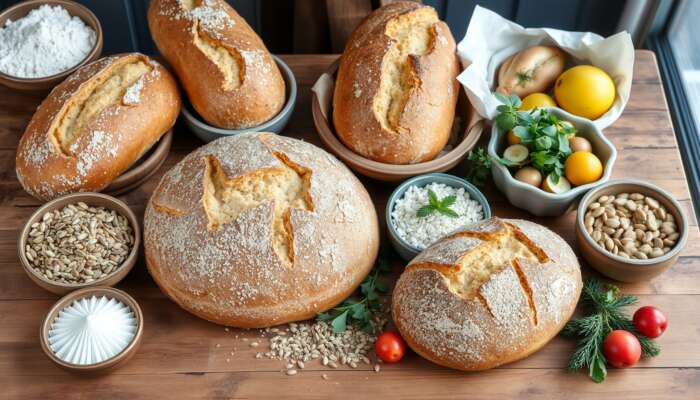
Artisan breads are a fascinating category of baked goods, renowned for their unwavering dedication to using exclusive ingredients that significantly improve both flavour and texture. Artisan bakers meticulously select unbleached flour, natural yeast, and pure water, forming the essential foundation for their creations. These superior components contribute to a bread that features a crust that is simultaneously crunchy and flavourful, while the interior remains luxuriously soft and moist. The thoughtful blending of these high-quality ingredients results in an artisanal product that distinctly distinguishes itself from mass-produced options, offering an unparalleled taste experience that delights the senses.
Incorporating elements such as whole grains and organic seeds not only enriches the flavour profile of artisan breads but also introduces delightful nutty and earthy notes, which are often absent in commercial varieties. Additionally, artisan bakers frequently experiment with local herbs and seasonal fruits, weaving intricate stories about the agricultural heritage of their regions into each loaf they craft. This commitment to quality not only elevates the taste experience but also supports local farmers and sustainable farming practices, ultimately fostering a positive impact on the community and its economy.
- High-quality ingredients are essential for ensuring exceptional flavour and texture.
- Unique flavour profiles are shaped by local sourcing of ingredients.
- Support for sustainable practices and local farmers strengthens the community's economy.
Why Is the Fermentation Process Essential for Artisan Bread Quality?
The fermentation process is a crucial component of artisan bread-making, significantly contributing to the development of complex flavours and delightful textures. During fermentation, natural yeast plays a pivotal role, transforming starches into sugars, which enhances not only the flavour but also the digestibility of the bread. A longer fermentation period promotes the production of lactic acids, leading to the distinctive sourness found in artisan breads, particularly cherished varieties like sourdough, which has a loyal following among bread enthusiasts.
Moreover, fermentation positively impacts the nutritional profile of artisan breads. This natural process can reduce gluten levels, rendering artisan bread more accessible to individuals with mild intolerances. Artisan breads often exhibit a depth of flavour that commercial yeasts are unable to replicate, resulting in a tangy, intricate taste along with a chewy texture that keeps consumers coming back for more. This meticulous approach to fermentation is vital for achieving the beloved characteristics of artisan breads that many have come to adore and appreciate.
How Are Artisan Breads Crafted with Passion and Precision?
The artistry of crafting artisan bread beautifully melds traditional methods with skilled craftsmanship. Typically, artisan bakers favour hand-mixing their chosen ingredients to ensure uniform distribution, fostering a deeper connection with the dough. This hands-on technique cultivates an intuitive understanding of how the dough behaves under different conditions, ultimately leading to superior bread quality that reflects the baker's dedication.
Following the mixing process, the dough undergoes a series of folds and rests that incorporate air and facilitate gluten development—this critical phase provides the bread with the necessary structure and strength. After shaping the dough, it is often allowed to proof slowly in a cooler environment, which further enhances its flavour profile. The baking phase is equally vital; artisan breads are frequently baked in stone ovens or with steam, yielding a desirable crust while preserving moisture within the loaf, ensuring an utterly delightful eating experience.
What Insightful Lessons Can We Learn from the Bakeries of San Miguel de Allende?

What Tried-and-Tested Techniques Are Employed by Renowned Bakeries?
Renowned bakeries across the globe provide valuable insights into effective baking techniques, with those in San Miguel de Allende particularly celebrated for their artisan breads that emphasise local ingredients and traditional baking methods. One notable bakery utilises a “pre-fermentation” technique, where the dough is allowed to ferment overnight, significantly enhancing both flavour and texture, resulting in an exceptional product that stands out.
Another bakery focuses on using local maize flour, creating unique blends that resonate with the region's rich culinary heritage. By incorporating native grains, these bakeries celebrate their cultural identity while simultaneously boosting the nutritional value of their breads. Engaging with the community through local sourcing not only elevates the quality of their products but also enhances the bakery's reputation. This holistic and community-focused approach exemplifies the essence of a successful artisan bakery and highlights the importance of connection to local resources.
What Steps Should You Follow to Successfully Create Artisan Bread at Home?
Crafting artisan bread in the comfort of your own kitchen is entirely achievable when armed with the right techniques and knowledge. Begin by gathering premium ingredients, including unbleached flour, filtered water, salt, and a natural sourdough starter or yeast. For a straightforward recipe, combine 500 grams of flour with 350 grams of water and 10 grams of salt, allowing the mixture to rest for a couple of hours to maximise hydration, which is crucial for the final texture.
After this initial resting period, knead the dough until it achieves a smooth and consistent texture. Next, allow the dough to ferment for a period ranging from 4 to 12 hours, depending on the ambient temperature and desired flavour intensity. Once the first rise is complete, shape the dough and place it into a floured proofing basket for a second rise. Preheat your oven to approximately 450°F (232°C) with a baking stone inside. Bake the bread for about 30 to 40 minutes, or until it develops a beautifully golden crust. Allow it to cool before slicing, and you will have successfully embraced the joys of artisan bread-making in your own home.
How Does Temperature Influence the Quality of Artisan Bread?
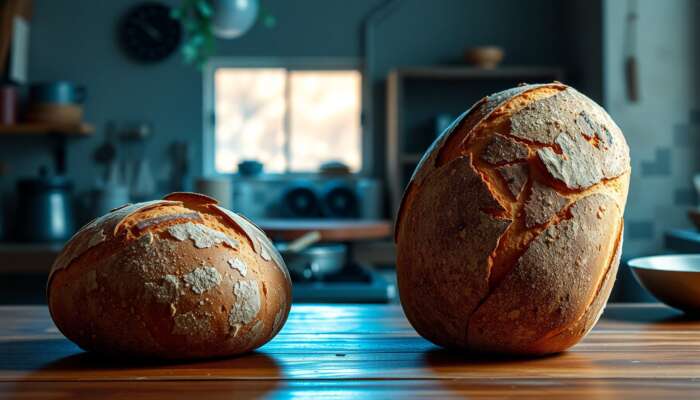
Temperature is a vital factor that significantly impacts the quality of artisan bread. It plays a crucial role in both the fermentation of the dough and the final baking process. Warmer environments accelerate yeast activity, while cooler conditions slow it down, leading to substantial variations in flavour and texture. A slower fermentation process at lower temperatures results in a more intricate flavour profile, prompting many bakers to favour overnight fermentation in cooler settings for optimal results.
During the baking phase, the oven temperature directly influences the crust and crumb structure of the bread. Higher temperatures encourage rapid rising, resulting in an airy structure and a crisp crust. Many artisan bakers incorporate steam during the initial baking stages, creating a coveted crusty exterior while ensuring the interior remains moist. Understanding the intricate interplay between temperature and dough behaviour is essential for aspiring bakers aiming to achieve the finest results in their artisan bread-making endeavours.
What Unique Benefits Do Artisan Breads Offer Compared to Commercial Varieties?
What Health Advantages Are Associated with Artisan Breads?
Opting for artisan breads over commercial alternatives often translates into healthier choices due to their minimalistic ingredient lists and absence of preservatives. Artisan breads typically rely on natural fermentation processes, enhancing not only digestibility but also flavour and nutrient absorption. By sidestepping synthetic additives, artisan bakers can create a product that is wholesome and nourishing, appealing to health-conscious consumers seeking quality food.
Furthermore, artisan breads frequently incorporate whole grains and seeds, which provide essential nutrients, dietary fibre, and healthy fats. This commitment to high-quality ingredients enables consumers to enjoy better-tasting bread with enhanced nutritional profiles. Breads crafted from ancient grains such as spelt or einkorn deliver unique flavours and health benefits, including lower glycemic indexes, making them an excellent choice for those who are mindful of their health and dietary choices.
What Distinct Flavour Profiles Can You Discover in Artisan Breads?
Artisan breads are celebrated for their diverse and complex flavour profiles, which arise from the ingredients used and the baking methods employed. Here are some distinct flavours to explore in the realm of artisan baking:
- Sourdough: Renowned for its tangy and intricate taste, often accompanied by a chewy crust that adds to its appeal.
- Whole Wheat: Delivers a nutty and hearty flavour that encourages a satisfying chew, perfect for sandwiches.
- Rye: Exhibits earthy and slightly sweet notes, typically accompanied by a dense texture that is beloved in many cultures.
- Focaccia: Infused with aromatic herbs, this variety is flavourful and often topped with olive oil and sea salt, making it a favourite for many.
- Ciabatta: Recognised for its light and airy structure, it features a crusty exterior that is ideal for making delicious sandwiches.
- Multigrain: Rich in texture and flavour, blending various grains and seeds to create a wholesome loaf.
- Olive Bread: Savoury and aromatic, often incorporating chunks of olives that elevate its taste profile.
- Fruit & Nut: Sweet and chewy, featuring an array of dried fruits and crunchy nuts that add delightful textures.
These distinctive flavours set artisan breads apart from their commercial counterparts, enabling consumers to relish a wide array of tastes and textures that enhance their culinary experiences significantly.
How Do Artisan Breads Contribute to Strengthening Local Economies?
Artisan breads play an essential role in bolstering local economies by nurturing community connections and promoting sustainable practices. When consumers choose to purchase from local bakeries, they contribute to the livelihoods of both bakers and farmers. This financial support empowers artisans to continue their craft while simultaneously stimulating local agriculture through ingredient sourcing, thus fostering economic growth.
Moreover, artisan bakeries prioritise the use of locally sourced ingredients, which not only enhances product quality but also diminishes the carbon footprint associated with transportation. This local sourcing creates a ripple effect, encouraging other businesses to adopt sustainable practices and ultimately benefiting the overall economic health of the region. By supporting artisan bakeries, consumers foster community pride and highlight the significance of local production, reinforcing the bond between producers and consumers.
What Defines the Artisanal Baking Process?
The artisanal baking method is characterised by an unwavering commitment to traditional techniques and high-quality ingredients, resulting in distinctive flavour and texture. It begins with the meticulous selection of ingredients, often involving organic, non-GMO flours and natural leavens. Dough mixing is typically performed by hand or with minimal machine intervention, which ensures a tactile connection to the baking process and fosters a deeper understanding of the bread-making craft.
A defining feature of artisan baking is the extended fermentation period, which can last several hours or even overnight. This slow fermentation process is essential for flavour development and enhances digestibility, making the bread easier on the stomach. During the shaping phase, the dough undergoes multiple folds and rests, allowing for effective air incorporation and gluten development. The baking phase is critical; many artisan bakers utilise steam ovens or baking stones to achieve optimal crust crispness and overall structural integrity in their breads.
What Effective Strategies Are Employed by Bakeries in San Miguel de Allende?
How Can You Effectively Source Quality Ingredients for Artisan Baking?
Sourcing premium ingredients is fundamental to the success of any artisan bakery, particularly in regions like San Miguel de Allende. Bakers should prioritise collaboration with local farmers who practice organic farming to ensure the freshest and most delectable ingredients while simultaneously supporting the local economy and promoting sustainable agricultural practices. This approach not only enhances the quality of the final product but also strengthens community ties.
Building robust relationships with local suppliers grants bakers valuable insights into seasonal availability and the unique characteristics of various grains and produce. Incorporating native maize or seasonal fruits can lead to signature products that resonate with the local community and attract visitors seeking authentic culinary experiences. By emphasising local sourcing, bakers can elevate the quality of their bread while simultaneously reinforcing community connections and celebrating regional flavours.
What Essential Baking Tools Are Required for Artisan Bread Making?
Having the appropriate tools is crucial for achieving optimal results in artisan baking. Here are some fundamental tools every baker should consider investing in:
- Kitchen Scale: Accurate measurements are vital for achieving success in baking, ensuring consistency in each batch.
- Dough Scraper: A handy tool for effectively managing sticky dough, facilitating easier handling and shaping.
- Proofing Baskets: These assist in shaping and maintaining the structure of the dough during the final proofing stage, critical for achieving the desired texture.
- Baking Stone or Steel: These tools retain heat to create a superior crust, enhancing the overall quality of the bread.
- Thermometer: Ensures that both the dough temperature and final bake are correct for optimal results.
- Mixing Bowls: A variety of sizes is useful for mixing and resting the dough, accommodating different batch sizes.
- Bench Knife: Ideal for dividing the dough into portions and handling it with precision.
- Steam Pan: Creates steam in the oven for achieving a superior crust and moisture retention in the bread.
These tools are essential for both novice and experienced bakers, enhancing the quality of artisan breads significantly. Investing in high-quality baking tools can profoundly impact the final product, making the process not only enjoyable but also successful, leading to consistently excellent results.
What Baking Techniques Should You Master for Artisan Bread Success?
Mastering specific baking techniques can significantly elevate your artisan bread-making skills. Here are some essential techniques to focus on for optimal results:
- Autolyse: A resting period after mixing flour and water that aids in gluten development, resulting in a more elastic dough.
- Stretch and Fold: A method that strengthens the dough without intensive kneading, promoting better texture.
- Scoring: Cutting the surface of the dough allows for controlled expansion during baking, preventing uneven cracking.
- Cold Fermentation: Slower fermentation in the fridge enhances flavour complexity, resulting in richer taste profiles.
- Windowpane Test: A technique to check gluten development by stretching the dough to assess its elasticity.
- Shaping Techniques: Various methods help enhance the structure of the loaf, ensuring even baking and a pleasing appearance.
- Steam Baking: Introducing steam into the oven creates a crusty finish while keeping the interior moist and tender.
- Temperature Control: Managing both dough and oven temperatures is crucial for achieving optimal results in artisan bread-making.
By refining these techniques, aspiring bakers can perfect their craft and produce high-quality artisan breads that are as visually appealing as they are delicious, allowing them to share their passion with others.
What Innovative Approaches Can You Explore to Enhance Flavours in Artisan Bread?
What Popular Flavour Combinations Are Found in Artisan Breads?
Experimenting with flavours in artisan bread can lead to the creation of exciting new varieties that delight the palate. Here are some popular flavour combinations to consider that can elevate your baking:
- Rosemary and Olive Oil: This combination enhances the flavour profile of savoury breads, adding a Mediterranean touch.
- Cranberry and Walnut: Offering a sweet and nutty experience, perfect for breakfast loaves or festive occasions.
- Garlic and Herb: Adds depth and allure to focaccia or rolls, appealing to lovers of savoury delights.
- Cheese and Chive: Transforms any bread into a gourmet treat with rich flavours that enhance its appeal.
- Sun-dried Tomato and Basil: A classic Mediterranean flavour pairing that is always well-received in artisan circles.
- Chocolate and Orange: A delightful sweet and zesty combination for dessert breads, perfect for indulgent treats.
- Spices (Cinnamon or Cardamom): Introduces warmth and sweetness to sweet breads, enhancing their appeal.
- Seeds and Grains: Adds depth and a satisfying crunch to any loaf, enhancing texture and flavour.
These flavour combinations not only enhance the taste but also provide bakers with an opportunity to showcase their creativity, experimenting with seasonal ingredients to create unique offerings that stand out. Balancing additional ingredients is key to ensuring they complement rather than overpower the base bread, resulting in a harmonious blend of flavours that delight the senses.
How Do Cultural Influences Shape the Art of Artisan Bread Making?
Cultural traditions significantly shape the styles and flavours of bread across the globe. Each culture contributes distinct ingredients, techniques, and rituals to the bread-making process, enriching the culinary landscape. In San Miguel de Allende, local ingredients such as maize and specific herbs greatly influence artisan bread production, reflecting the region's rich culinary identity and history.
In Europe, traditional breads like baguettes and ciabatta embody local customs and histories, showcasing the diversity of bread-making techniques. Incorporating local grains and even seasonal holiday breads highlights the cultural influences that shape baking practices. The blending of techniques and flavours brought about by immigration contributes to the global evolution of artisan baking. This fusion not only underscores the importance of cultural heritage in defining bread but also transforms each loaf into a narrative of community and tradition, celebrating the interconnectedness of global cuisines.
What Role Do Toppings Play in Elevating Artisan Breads?
Toppings greatly enhance both the visual appeal and flavour profile of artisan breads. For instance, a sprinkle of sea salt and a brush of olive oil on focaccia create a delightful contrast between crispy tops and soft interiors. Additionally, toppings such as seeds like sesame or poppy add both flavour and texture, enriching the overall sensory experience of the bread and making it truly memorable.
Moreover, toppings introduce unique visual elements that make the bread enticing and appealing to consumers. Fresh herbs or colourful vegetables can transform a simple loaf into a stunning centrepiece for any meal. The selection of toppings allows bakers to personalise their creations, reflecting seasonal ingredients or innovative ideas. This not only enhances the consumer experience but also encourages bakers to explore their creativity in the kitchen, pushing the boundaries of traditional bread-making and inviting new tastes into the artisan realm.
How Does Artisan Baking Foster Community Connections?
How Do Bakeries Serve as Community Hubs for Social Interaction?
Bakeries act as vital community gathering spaces, fostering connections among residents and visitors alike. The inviting aroma of freshly baked bread creates a warm atmosphere that encourages social interaction and camaraderie. Local bakeries often evolve into meeting spots where neighbours connect, share stories, and build relationships, contributing to a strong sense of belonging within the community.
Additionally, bakeries actively engage with their communities through events such as farmers’ markets or local festivals, where they showcase their products and connect with other businesses. Hosting workshops allows bakers to impart their knowledge and skills while reinforcing community ties. These interactions cultivate a vibrant local culture centred around food and craftsmanship, highlighting the pivotal role that bakeries play in promoting social cohesion and community spirit, making them essential to the neighbourhood.
What Creative Events Can Bakeries Host to Strengthen Community Bonds?
Bakeries can organise a variety of events designed to engage with their communities while creating memorable experiences for all. Some potential events include:
The Article: Artisan Breads: Explore San Miguel de Allende Bakery appeared first on https://fallinginlovewithsanmiguel.com/
The Article Artisan Breads in San Miguel de Allende: A Bakery Adventure Was Found On https://limitsofstrategy.com
The Article Artisan Breads: Discovering San Miguel de Allende’s Bakery Delights found first on https://electroquench.com