Uncover the Transformative Advantages of Creating Calm Environments for Senior Pets
How Can Calm Environments Dramatically Improve the Well-Being of Senior Pets?
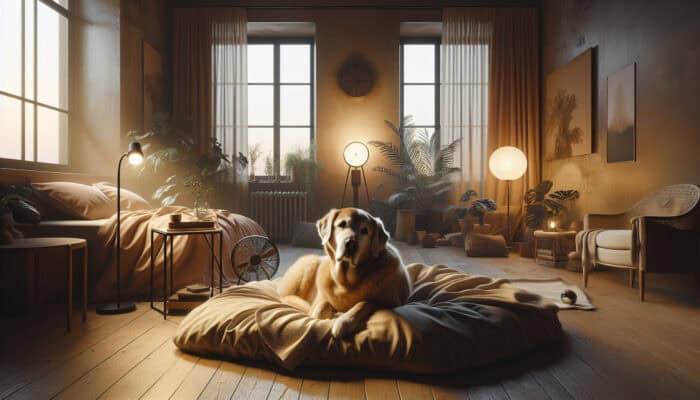
Creating calm environments is crucial for enhancing the comprehensive well-being of senior pets, as these soothing settings substantially diminish stress and anxiety levels. By establishing serene spaces where pets can feel safe and undisturbed, pet owners can significantly elevate their furry companions’ quality of life. The numerous benefits of these peaceful areas encompass marked reductions in anxiety, enhanced sleep quality, and more effective recovery from illnesses or surgeries. Furthermore, senior pets are likely to develop stronger emotional connections with their owners, manage chronic pain more efficiently, find greater comfort during rest, sharpen their mental faculties, and enjoy ample opportunities for low-stress social interactions that enrich their lives.
- Reduced anxiety levels
- Enhanced sleep quality
- Improved recovery from illness or surgery
- Strengthened emotional connections with owners
- Better management of chronic pain
- Increased comfort during resting periods
- Boosted mental acuity
- Facilitation of low-stress socialisation
These cumulative advantages contribute to a healthier and more fulfilling life for senior pets, enabling them to enjoy their golden years with less discomfort and greater peace of mind.
How Do Calm Environments Facilitate Physical Health Enhancements?
The importance of calm environments is profound when it comes to promoting physical well-being in senior pets. These tranquil settings provide the necessary restful conditions vital for maintaining joint health and alleviating discomfort associated with various age-related conditions. By ensuring that senior pets have ample opportunities for rest, they can recover more effectively from injuries or illnesses, leading to improved mobility and overall vitality. By providing these peaceful areas, pet owners can foster better physical health outcomes, enabling their pets to engage in daily activities with renewed energy and enthusiasm, enhancing their overall quality of life.
Why Are Calm Environments Critical for Enhancing Mental Well-Being?
Calm environments play an essential role in supporting mental well-being, helping senior pets maintain their cognitive functions. A peaceful atmosphere minimises distractions and promotes relaxation, allowing pets to recharge effectively. This soothing setting is crucial for mitigating the risks associated with cognitive decline, ensuring that senior pets remain mentally agile and engaged with their environment. By creating these calming spaces, pet owners can make a significant impact on their pets’ mental health, ensuring they lead vibrant and fulfilling lives even as they age.
How Do Calm Environments Foster Emotional Stability and Comfort?
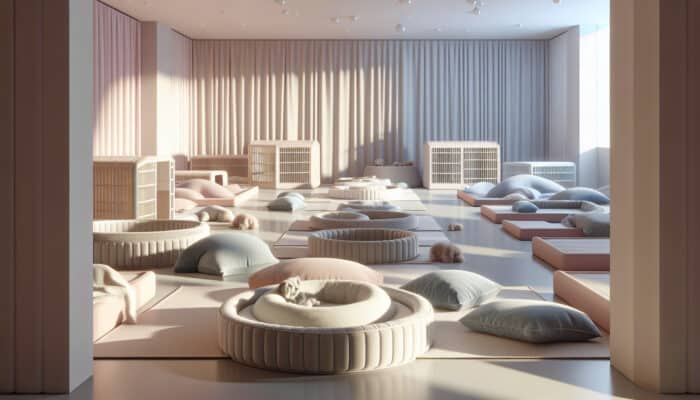
Creating a peaceful environment for senior pets is essential for their emotional stability. Calm spaces serve as sanctuaries where pets can retreat to feel secure and at ease. This emotional refuge is vital for their happiness, fostering a sense of belonging and contentment. By designing a personalised tranquil area, pet owners can significantly enhance their senior pets’ quality of life during their later years, allowing them to feel cherished and comfortable within their home environment.
Insights from Experts on the Significance of Calm Environments for Senior Pets
What Insights Do Professionals Provide Regarding Calm Environments?
Veterinarians and animal behaviourists consistently stress the importance of calm environments for the health and wellness of senior pets. Extensive research has demonstrated that spaces free from excessive noise and disturbances lead to significantly improved health outcomes. Numerous pet owners have successfully established serene areas within their homes, creating zen-like environments that promote relaxation and rejuvenation for their pets.
For instance, a veterinary clinic recently transformed its waiting area into a serene environment featuring soothing colours, soft lighting, and calming music. This modification not only alleviated stress levels in pets but also enhanced the overall experience, making visits to the clinic more pleasant for anxious animals, significantly benefiting their emotional state.
How Can You Effectively Create Calm Environments for Senior Pets?
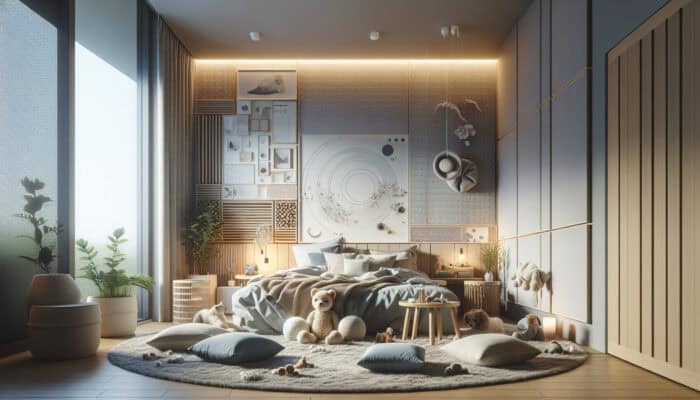
Designing an effective calm space for senior pets begins with selecting the ideal location within your home. Look for areas that are away from high foot traffic and noise, such as a cosy corner in a bedroom or a designated quiet room. Once you’ve identified a suitable location, consider adding soft, comfortable bedding and familiar items that evoke a sense of security and comfort, ensuring your pet feels at home.
Moreover, incorporating soundproofing materials, such as acoustic panels or thick curtains, can further minimise external noise, creating an even more tranquil atmosphere. Establishing a routine around this calm environment is also crucial; designate specific times for your pet to relax there, helping them associate it with tranquillity and comfort, which can reinforce their sense of security.
What Best Practices Should Be Implemented to Sustain Calm Environments?
Maintaining a calm environment is essential and requires regular cleaning and monitoring of the space. A clean area not only ensures comfort but also promotes hygiene, which is especially important for senior pets with sensitive health conditions. Pet owners should routinely check the bedding for signs of wear and tear, replacing items as necessary to guarantee ongoing comfort and tranquillity.
Furthermore, it is vital to observe your pet’s behaviour and preferences within their tranquil space. If they appear restless or uninterested, this may indicate that adjustments are required. Conducting regular evaluations of the area and adapting it to suit their evolving needs is crucial for maximising its effectiveness and ensuring a comforting retreat for your senior pet, promoting their overall well-being.
What Are the Comprehensive Benefits of Calm Environments for Senior Pets?
Calm environments serve numerous beneficial purposes for senior pets, primarily focusing on reducing stress and enhancing sleep quality. Research indicates that pets placed in serene environments exhibit significantly lower cortisol levels, a hormone associated with stress. This reduction leads to improved overall health and a heightened sense of comfort, contributing to a more relaxed state for the pet.
Moreover, the calming nature of a tranquil space enables pets to unwind fully, resulting in deeper, more restorative sleep. Given that sleep is crucial for recovery and overall well-being, establishing a dedicated calm area can profoundly impact a senior pet’s health and happiness, enriching their quality of life during their later years.
How Can You Monitor and Adapt Calm Environments Over Time?
As pets age, their needs often change, making it imperative for pet owners to regularly assess and adapt their calm spaces. Monitoring your pet’s behaviour can provide valuable insights into their comfort levels and specific requirements. For example, if a pet shows signs of discomfort or reluctance to utilise their calming area, it may be time to reevaluate the setup to better suit their needs.
Additionally, consider modifying the space to accommodate any physical limitations. This could involve installing ramps for pets with mobility challenges or providing heated bedding for those suffering from arthritis. Continuously updating the environment ensures that it remains a sanctuary for your senior pet, regardless of their evolving needs and circumstances, thereby enhancing their overall well-being.
Exploring Varied Types of Calm Environments for Senior Pets
How to Create Effective Indoor Calm Spaces?
Indoor calm environments are vital for senior pets, particularly in urban settings where external noise can significantly contribute to stress. Crafting these areas involves using soft bedding, such as orthopedic beds or plush blankets, to ensure comfort and support for their aging bodies. Additionally, positioning these areas in rooms with minimal traffic is essential to allow pets to rest undisturbed, promoting relaxation.
Integrating soundproofing elements, such as thick rugs or wall panels, can further enhance the tranquillity of these indoor spaces. Including familiar toys and personal items can help your pet feel more comfortable and secure, transforming their indoor retreat into a true haven for relaxation and rejuvenation, allowing them to thrive in a peaceful setting.
What Are the Advantages of Outdoor Calm Spaces?
Outdoor calm spaces are equally important, providing senior pets with the chance to enjoy fresh air and natural surroundings while still ensuring a peaceful environment. These areas can be established in gardens, patios, or secluded corners of the yard, where pets can soak up the sun and appreciate the sights and sounds of nature without feeling overwhelmed.
To enhance outdoor calm areas, consider adding shaded spots, comfortable outdoor bedding, and barriers to minimise noise from nearby streets or neighbours. Creating a gentle, calming atmosphere outdoors allows senior pets to reap the benefits of nature without the stress of an overstimulating environment, contributing to their overall happiness and well-being.
How to Create Portable Calm Spaces for Senior Pets on the Move?
Portable calm environments are essential for senior pets who frequently travel or attend events. These adaptable areas can be created using lightweight, collapsible pet beds and carriers that are easy to transport. By providing a designated calm space while travelling, pets can feel secure and at ease, particularly in unfamiliar settings, reducing their anxiety.
To enhance these portable areas, include familiar blankets or toys that provide comfort and a sense of belonging. Ensuring that these spaces are set up in low-traffic, quiet environments during outings will help maintain a peaceful atmosphere for senior pets, making their travels more enjoyable and less stressful, ultimately benefiting their overall experience.
Designing a Cozy Nook for Senior Pets
Creating a cozy nook for senior pets involves selecting a quiet corner in your home and furnishing it with soft bedding, plush cushions, and warm blankets. It is crucial to keep this space free of distractions, allowing pets to relax and recharge fully in a calming environment. A strategically placed nook can serve as a peaceful retreat from the daily hustle and bustle, offering a sanctuary where they can unwind.
Incorporating low lighting, such as lamps with soft bulbs, can enhance the calming ambiance of this nook. Additionally, introducing familiar scents from the pet’s owner through personal items can help create an inviting and comforting atmosphere that encourages relaxation and serenity, making it a cherished spot for your senior pet.
How Can You Establish Calm Environments for Senior Pets with Special Needs?
Senior pets with special needs require calm spaces designed to cater to their specific requirements. For example, pets with mobility challenges may benefit from ramps leading to their resting areas, making access easier and safer for them. Furthermore, heated beds can provide much-needed comfort for those suffering from joint pain or arthritis, ensuring they remain cosy and relaxed.
Easy-access food and water stations are also essential for senior pets, ensuring they can stay hydrated and nourished without excessive effort. By crafting calm environments that accommodate these special needs, pet owners can significantly enhance their senior pets’ quality of life, providing the comfort and security they deserve, ultimately enriching their living experience.
Key Considerations for Selecting the Perfect Calm Environment
What Factors Should You Consider When Choosing a Calm Environment?
When selecting the right calm environment for a senior pet, several factors should be considered. Pet size and breed are critical; larger breeds may require more space to stretch out comfortably, whilst smaller pets might prefer snug and enclosed corners. Additionally, it is vital to consider any existing health conditions that your pet may have, as certain ailments might necessitate specific care or features in their resting area to ensure their comfort and safety.
Lastly, take into account your pet’s personal preferences. Some pets may feel more secure in enclosed spaces, while others might thrive in open areas that provide a view of their surroundings. Understanding these elements will facilitate the creation of a suitable environment tailored to your pet’s unique needs and preferences, ensuring they feel comfortable and at ease.
How Can You Assess Your Pet’s Individual Needs?
Assessing your senior pet’s needs involves evaluating their specific requirements based on their health, mobility, and sensory capabilities. For instance, pets with vision impairment may need adjustments in furniture layout to avoid potential obstacles, while those with hearing loss might benefit from positioning their space in areas with visual stimuli to aid in navigation and orientation.
Moreover, consider their mobility; pets who struggle with movement may need a resting area that is easily accessible without any barriers. Observing your pet’s behaviour can also provide insights into their comfort levels and preferences, guiding you in customising the calm environment to meet their individual needs, enhancing their quality of life.
Budget and Accessibility Considerations
Creating a calm environment for senior pets should be both financially accessible and practical, ensuring it meets your pet’s needs without imposing a financial burden on the owner. Many effective solutions can be implemented on a budget, such as repurposing existing furniture or utilising inexpensive materials to create a comfortable resting area tailored to their requirements.
Accessibility is paramount; the calm space should be easily reachable for the pet, especially for those dealing with mobility challenges. Ensuring that your pet can readily access their designated area without obstacles will maximise their comfort and encourage them to utilise the space regularly, contributing to their overall well-being and happiness.
Research-Backed Insights on the Benefits of Calm Environments for Resting Senior Pets
What Does Research Indicate About the Impact of Calm Environments?
Research indicates that providing calm environments can greatly enhance the well-being of senior pets. Key findings in this area include:
- Reduced stress hormone levels in tranquil settings
- Enhanced sleep quality and duration
- Faster recovery times following illness or surgery
- Lower incidence of anxiety-related behaviours
- Improved overall health outcomes contributing to increased longevity
These findings underscore the critical importance of providing senior pets with peaceful spaces to rest and recuperate, emphasising the positive link between calm environments and long-term health benefits that can significantly improve their quality of life.
How Do Calm Environments Influence Long-Term Health Outcomes?
Long-term exposure to calm environments has been shown to yield improved overall health outcomes for senior pets. Pets that regularly engage with serene settings experience lower levels of stress and anxiety, which are crucial for maintaining physical health and well-being. This, in turn, supports a more robust immune system and enhances resilience against age-related ailments, contributing to a happier and healthier life.
The long-term benefits of a calm space contribute to an elevated quality of life, enabling senior pets to enjoy their later years with reduced discomfort and increased happiness, ensuring they live a fulfilling life surrounded by love and care.
What Behavioural Improvements Are Linked to Calm Environments?
Senior pets that spend time in calm environments often display fewer behavioural issues and greater calmness. The soothing effects of a serene atmosphere help reduce instances of aggression, anxiety, and destructive behaviours commonly seen in stressed pets, allowing them to feel more at ease.
By fostering a peaceful atmosphere, pet owners can promote positive behavioural changes, enhancing their senior pets’ ability to interact harmoniously with their surroundings. This behavioural stability not only benefits the pets themselves but also enriches the overall dynamics of the household, creating a more peaceful living environment for everyone.
Practical Tips for Introducing Senior Pets to Calm Environments
What Are Effective Techniques for Gradually Introducing Calm Spaces?
Introducing senior pets to calm environments should be done gradually, allowing them to explore their new surroundings without feeling overwhelmed. Start by encouraging your pet to investigate the area at their own pace, offering treats or toys to create positive associations with the space, making it a welcoming experience.
Additionally, spending time sitting with your pet in the calm area provides reassurance and comfort, helping them acclimate to the new surroundings. This gradual introduction will lead to a more successful transition and help your pet feel at ease in their designated sanctuary, fostering a positive bond with their tranquil space.
What Steps Should You Take If Your Pet Resists Using Their Calm Space?
If your pet shows resistance to using their calm space, consider employing various strategies to encourage acceptance. Some effective approaches include:
- Utilising familiar scents to attract your pet
- Incorporating their favourite toys or blankets to enhance comfort
- Offering treats to foster positive reinforcement and create a pleasant association
- Adjusting the location to enhance accessibility and comfort
Patience and allowing your pet the necessary time to adjust are essential. If they continue to resist, evaluate the space for potential stressors that may be impacting their comfort and willingness to use the area, making necessary adjustments to ensure it meets their needs.
How to Monitor and Adjust Calm Environments for Optimal Comfort?
Monitoring your pet’s response to their calm environment is critical for ensuring its ongoing effectiveness. Paying attention to their behaviour and any signs of discomfort or stress will provide valuable insights into how well the space is serving its intended purpose and aiding their relaxation.
If your pet appears disinterested or unsettled in their calm area, consider making adjustments to improve their comfort. This may involve changing the bedding, altering the location, or adding new elements to the space to better meet their needs and preferences, ultimately enhancing their experience in the tranquil environment.
Creating a Comfortable Atmosphere for Senior Pets
Establishing a comfortable atmosphere is essential for senior pets to feel secure and relaxed in their calm environment. Ensure the area is equipped with supportive bedding that adequately accommodates their joints, along with familiar scents and soft lighting to create a soothing ambiance that promotes relaxation.
Additionally, consider incorporating elements that encourage tranquillity, such as calming music or the use of pheromone diffusers to enhance the serene environment. By enhancing the comfort of the calm space, pet owners can help their senior pets feel at ease, encouraging them to utilise the area regularly and enjoy its numerous benefits.
Accessories and Enhancements to Optimise Calm Environments
How to Choose Comfortable Bedding Options for Senior Pets?
Selecting the appropriate bedding is crucial for creating an optimal calm space for senior pets. It is advisable to choose beds that provide adequate support for their joints, such as memory foam or orthopedic options specifically designed for older animals, ensuring their comfort and well-being.
In addition to support, ensure that the bedding is warm and inviting. Incorporating soft blankets or plush cushions can further enhance comfort, creating a cosy environment where senior pets can relax and recuperate fully, promoting their health and happiness.
What Soundproofing Materials Are Most Effective for Creating Calm Spaces?
Utilising effective soundproofing materials is vital for minimising noise in a calm environment. Options such as acoustic panels, thick curtains, and area rugs can significantly reduce sound transmission, fostering a more tranquil atmosphere for senior pets to thrive in.
Moreover, ensuring that the calm space is located away from high-traffic areas will help maintain a peaceful ambiance. A well-soundproofed environment enhances relaxation, which is essential for the well-being of senior pets as they seek solace and comfort in their designated areas.
What Additional Comfort Features Can Enhance Calm Spaces?
Incorporating additional comfort features can significantly elevate the experience within calm environments for senior pets. Consider using heating pads to provide warmth, especially for pets suffering from arthritis or other joint issues, ensuring they remain comfy and relaxed.
Moreover, playing calming music can create a soothing background, further promoting relaxation and comfort. These enhancements not only improve the quality of the calm space but also contribute to the overall comfort and happiness of senior pets, ensuring they feel safe and content in their environment, enhancing their overall well-being.
Frequently Asked Questions (FAQs)
What constitutes calm environments for senior pets?
Calm environments are designated areas created for senior pets to rest undisturbed, facilitating relaxation and lowering stress levels, crucial for their overall well-being.
In what ways do calm environments benefit senior pets?
Calm environments help reduce anxiety, promote sleep quality, improve cognitive health, and provide emotional comfort, ultimately leading to better health outcomes and enhanced quality of life.
What essentials should I include in a calm space for my senior pet?
Include cosy bedding, familiar scents, gentle lighting, and perhaps calming music to foster a soothing environment for your pet, promoting relaxation and comfort.
Can I establish outdoor calm spaces for senior pets?
Absolutely, outdoor calm spaces can be highly beneficial, allowing for fresh air and natural surroundings while ensuring minimal noise and distractions, enhancing their experience.
What should I do if my senior pet resists using their calm space?
If your pet resists, try gradually introducing the space, using familiar scents, toys, and treats to build positive associations with the area, helping them feel more secure.
How can I effectively maintain my pet’s calm space?
Regularly clean the area, inspect bedding for wear and tear, and observe your pet’s behaviour to ensure comfort and effectiveness, adapting the space as needed for their needs.
Are there specific accessories I should consider for a calm space?
Consider orthopedic bedding, soundproofing materials, and comfort features like heating pads or calming music to enhance your pet’s calm space experience, promoting relaxation.
How do I assess my senior pet’s needs for a calm space?
Evaluate their health, mobility, and sensory requirements, and observe their behaviour to tailor the calm environment to their preferences, ensuring they feel secure and comfortable.
What type of bedding is most suitable for senior pets?
Orthopedic or memory foam bedding is ideal, as it provides the necessary support and comfort for aging joints and muscles, enhancing their overall well-being.
How often should I monitor and adjust my pet’s calm space?
Regular monitoring is essential, especially as your pet ages. Adjust the space based on their evolving needs and preferences to ensure continued comfort and effectiveness.
Connect with us on Facebook!
The Article Calm Environments for Resting Senior Pets: Essential Comfort First Published On https://elgatoencasa.com
The Article Quiet Spaces for Senior Pets: Essential Comfort for Resting Was Found On https://limitsofstrategy.com
The Article Senior Pets’ Quiet Spaces: Essential Comfort for Resting found first on https://electroquench.com